Military Hospital 175, UN Women advance people-centered, gender-responsive healthcare

VOV.VN - Military Hospital 175, in collaboration with UN Women, has hosted a photo exhibition and technical exchange titled “From Response to Recovery: Human Security, Healthcare and Deployment Readiness in International Missions for Peace and Security” to promote people-centered and gender-responsive healthcare capacity.
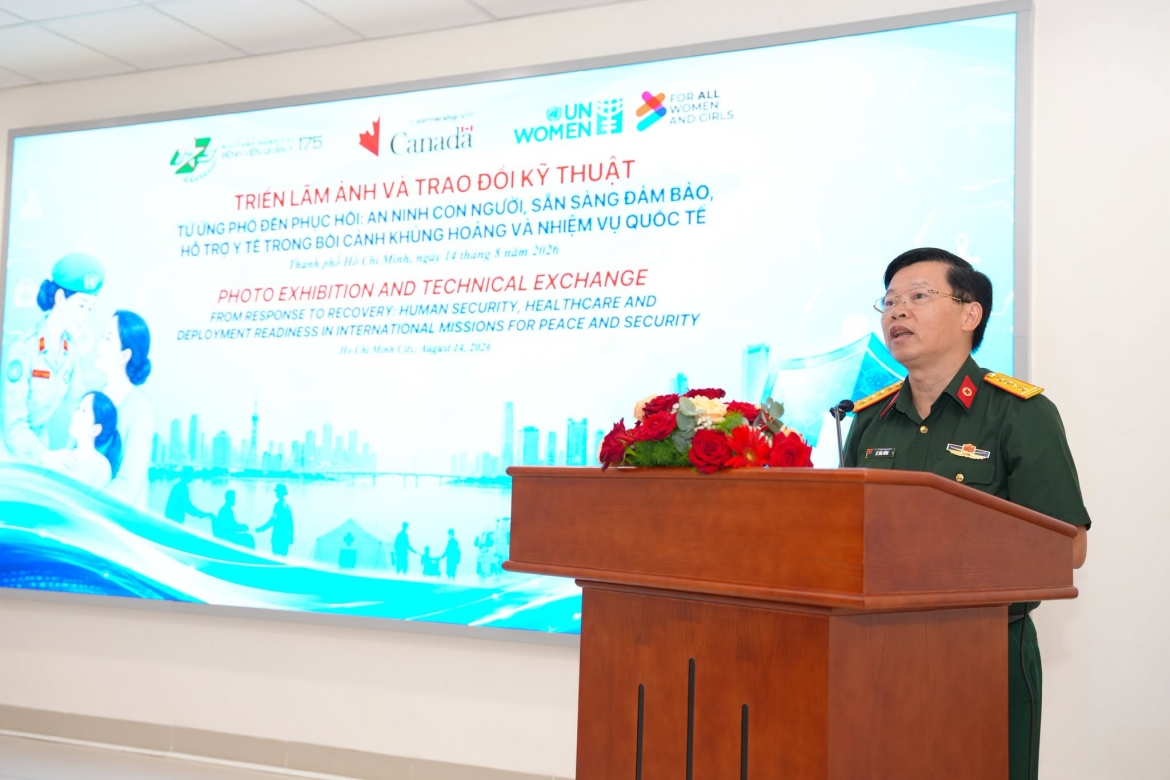
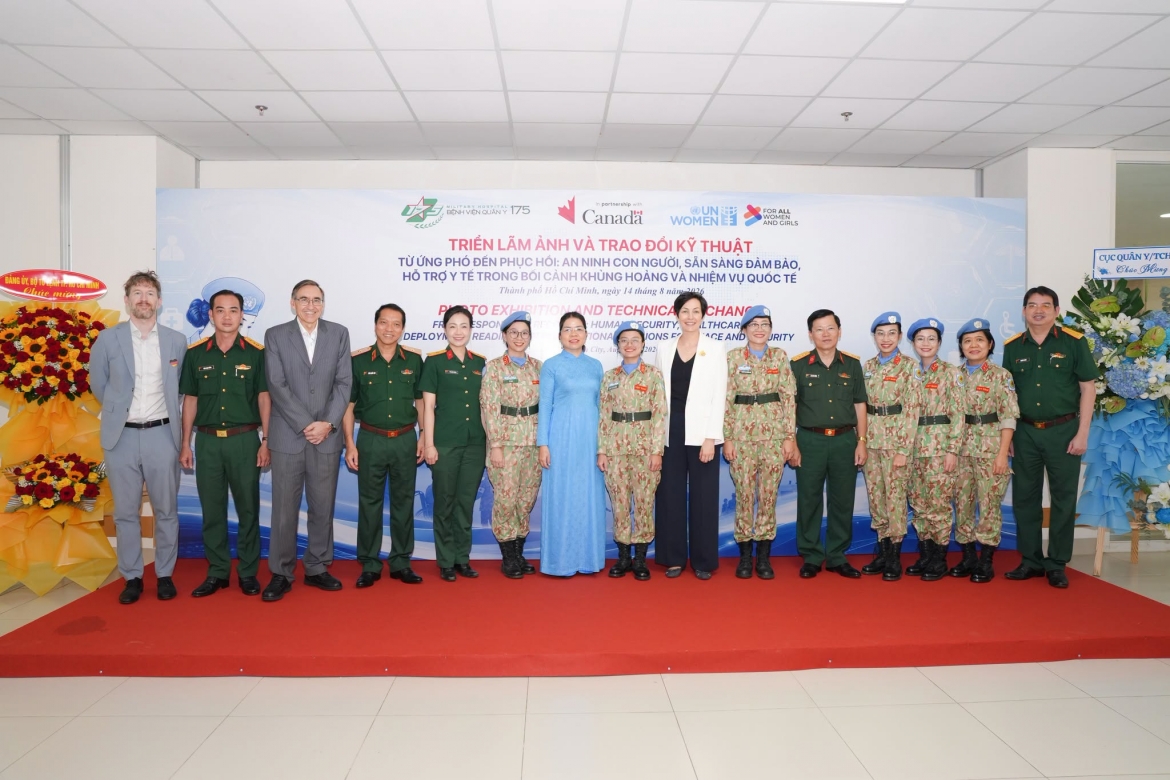
The event, held under the framework of cooperation with Vietnam’s Ministry of National Defense and supported by the Canadian Government through the Military Training and Cooperation Program (MTCP), drew over 150 delegates from military units, civilian health facilities, universities, UN agencies, and diplomatic missions.
The program is designed to strengthen gender-responsive medical readiness, enhance civil-military coordination, and support the implementation of Vietnam’s National Action Plan on Women, Peace, and Security (WPS) for 2024-2030.
Through documentaries and photo displays, the event highlighted the military medical force's contributions to emergency response, epidemic control, community support, mental health and psychosocial care, international cooperation, and UN peacekeeping missions.
As a strategic tertiary general hospital and the military medical center in southern Vietnam under the Ministry of National Defense, Military Hospital 175 plays a key role in organizing medical forces for the Truong Sa (Spratly) Archipelago, disaster and epidemic response, international cooperation, and training Level-2 Field Hospitals for UN peacekeeping duties.
Major General, People's Physician Tran Quoc Viet, Director of Military Hospital 175, stressed that military medical forces are present wherever citizens need protection. He noted that medical readiness requires not only professional expertise but also coordination mechanisms and partnerships to enable swift, responsible action during crises.
Echoing this view, Senior Colonel Le Van Dong, Deputy Director General of the Military Medical Department, emphasized that medical preparedness relies first on human resources, force organization, training, mobility, and inter-agency coordination mechanisms rather than solely on equipment and supplies.
Addressing gender dimensions in crisis response, experts noted that emergencies impact demographic groups differently, requiring response plans to account for safety, dignity, privacy, access, and specific needs of women, men, girls, and boys.
Vu Thu Hong, a WPS Program Specialist at UN Women Vietnam, said that gender-responsive healthcare is an essential component of operational readiness, ensuring that vulnerable women and girls can access safe, confidential, and respectful support during crises.
Delegates also reviewed the "Dandelion" one-stop service model at Hung Vuong Hospital-a civilian healthcare initiative providing safe intake, privacy protection, and referral services for victims, as a practical reference for military medical application.
Meanwhile, Canadian Consul General in Ho Chi Minh City Annie Dubé underscored that Canada’s cooperation with Vietnam, spanning peacekeeping training, gender-responsive institutional capacity building, and military medicine, shares a unified goal of fostering sustainable and inclusive peace.
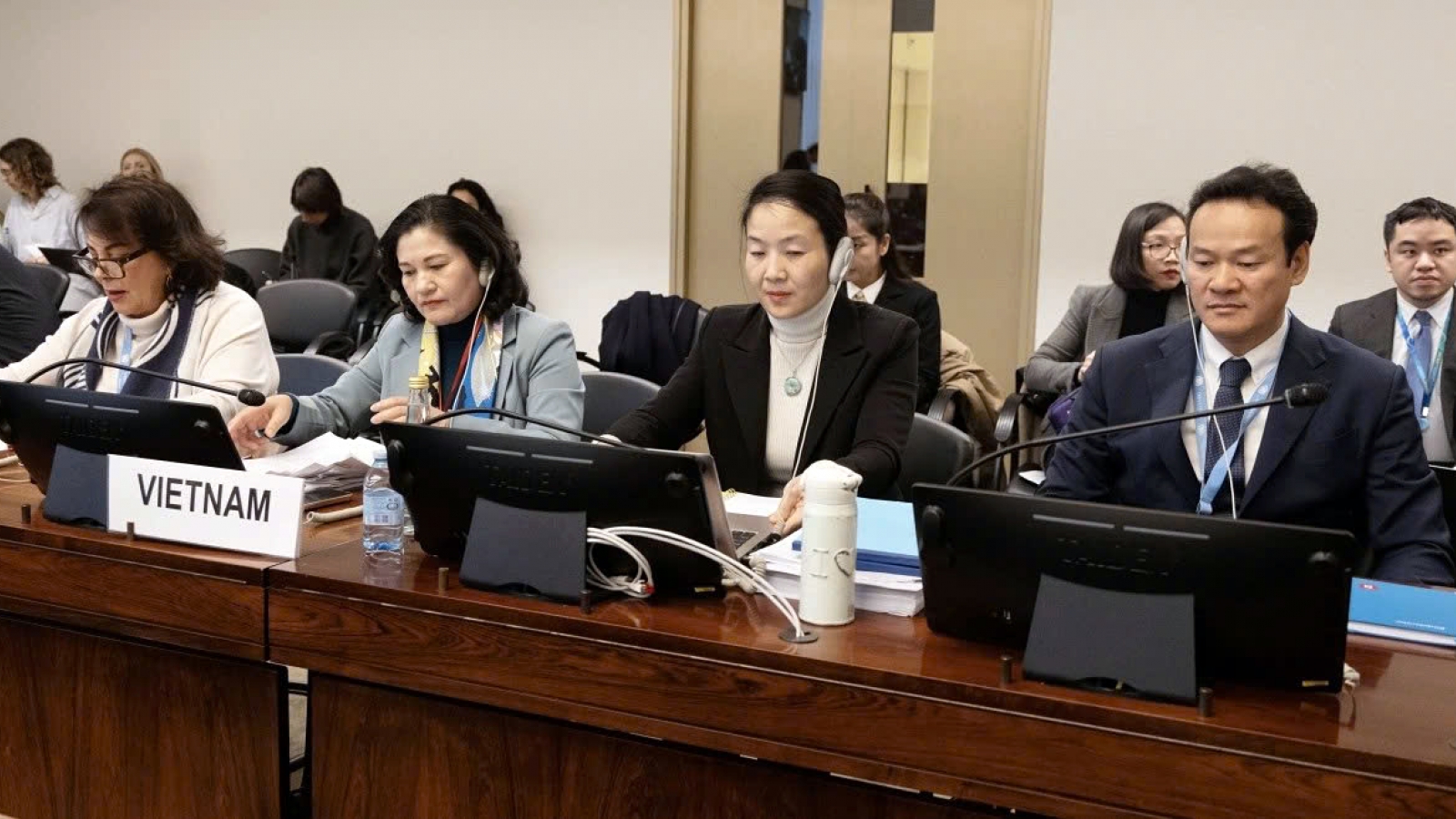
Vietnam defends progress on women’s rights at UN CEDAW review
VOV.VN - Vietnam on February 3 defended its record on gender equality and women’s rights during a dialogue with the United Nations committee overseeing the Convention on the Elimination of All Forms of Discrimination against Women (CEDAW), highlighting recent legal reforms and pledging further action.