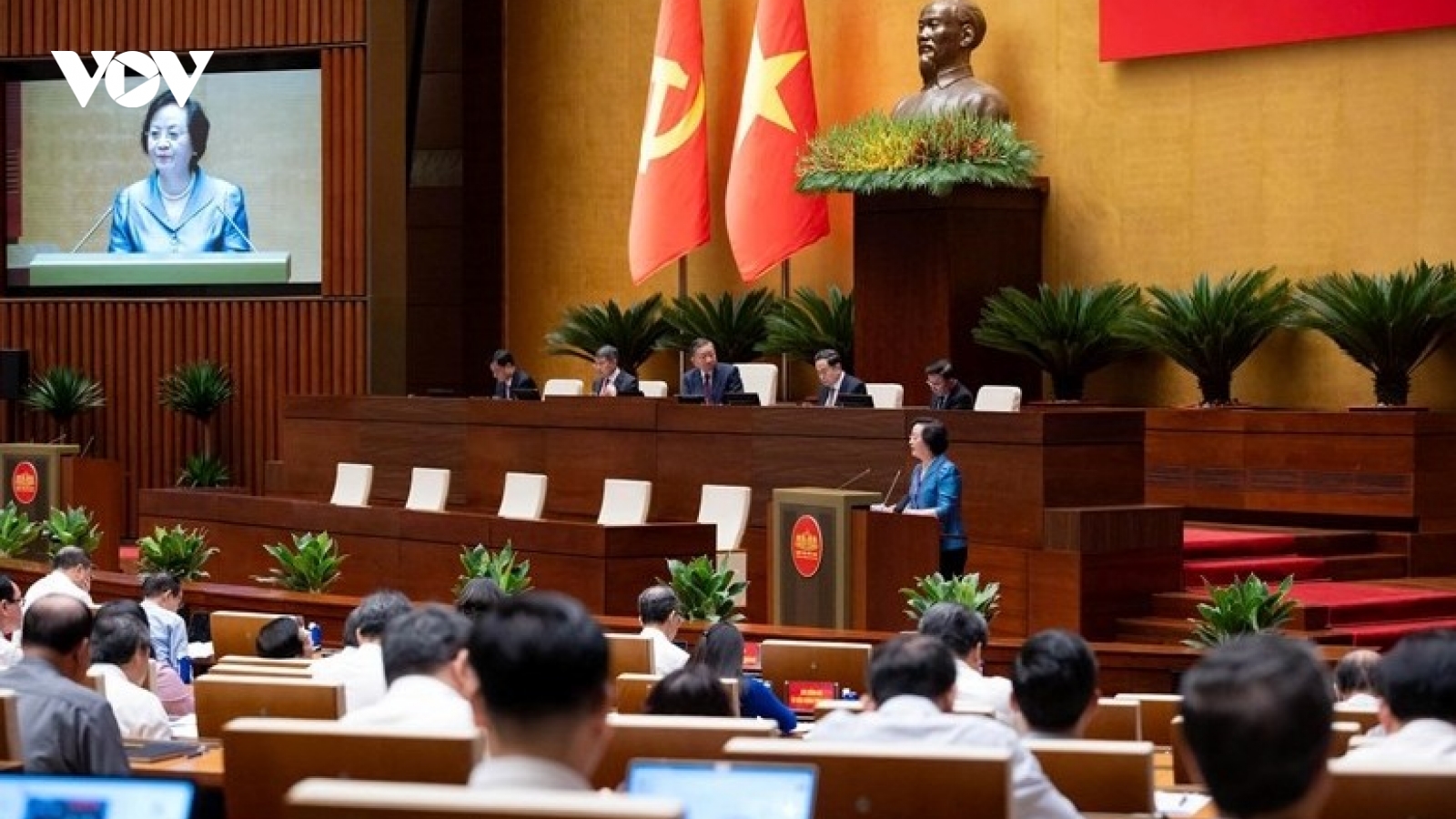
Hanoi to pilot new grassroots governance model in two communes

Hanoi will pilot a new "socialist commune/ward" model in Phuc Thinh and Thu Lam communes as part of efforts to modernise grassroots governance and improve the quality of life and well-being of residents.

The initiative is outlined in Resolution No. 16-NQ/TU, issued on July 8 by the municipal Party Committee. The pilot aims to translate the goals and characteristics of socialism into practical governance at the grassroots level while developing a modern, transparent, efficient and service-oriented local administration that promotes people's right to mastery and serves as a basis for refining policies before wider implementation across the capital.
According to the resolution, people will be placed at the centre of the model, serving as both the driving force and ultimate beneficiaries of development. Policies and solutions will focus on improving living standards, ensuring social equity and progress, leaving no one behind, and promoting balanced development across the economy, culture, society and the environment.
Phuc Thinh and Thu Lam were selected for the pilot based on their development potential, infrastructure conditions, governance capacity and readiness for innovation. Hanoi will conduct comprehensive assessments of the pilot implementation, including its impact on resources, infrastructure, human capital, data management and governance capacity, while also examining regional connectivity issues such as transport, public services, environmental protection and public security.
To ensure effective implementation, the city will establish a controlled pilot mechanism covering new approaches to spatial planning, service-oriented local governance, citizen participation, and systems for measuring quality of life and happiness. A unified set of measurable evaluation criteria will also be developed.
The city will prioritise investment in the pilot areas, improve the capacity of grassroots officials, accelerate digital transformation, build shared data platforms and expand commune-level digital administration services, including fully online public services and digital systems for receiving and monitoring public feedback.
Under the roadmap, Hanoi will finalise the project and implementation plan in 2026. The model will be rolled out in the two pilot communes during 2027–2030, followed by a review in 2030 to refine policies and consider broader expansion. If successful, the model will be gradually extended to other eligible localities during 2031–2035 before a comprehensive evaluation in 2035.
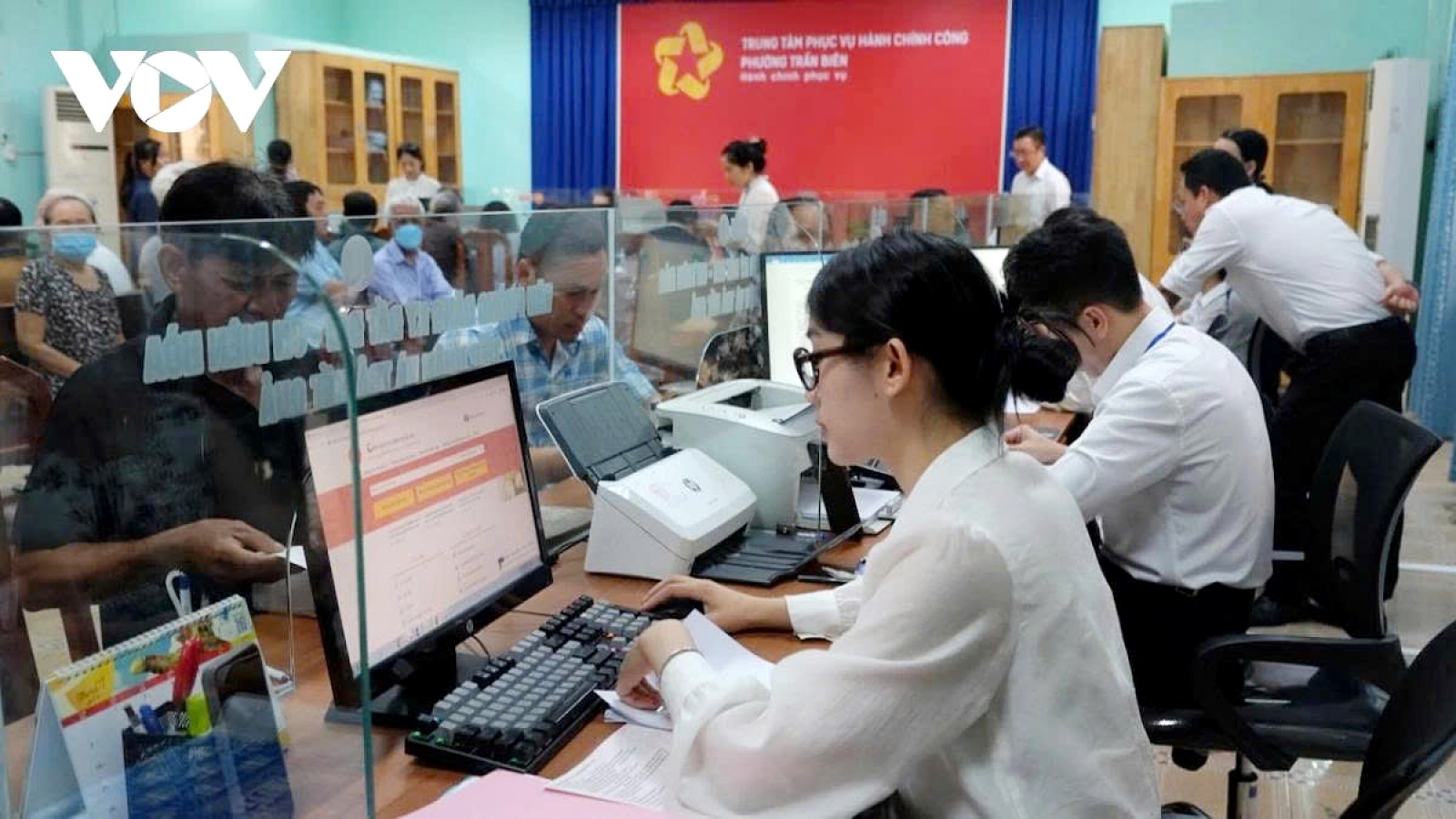
New governance model yields positive outcomes after one month in operation
VOV.VN - After one month of implementing the two-tier local government model, many localities across Vietnam have swiftly restructured their administrative systems, stabilised operations, and improved public services, showing early effectiveness and gaining public support despite some remaining challenges.