DNA technology brings new hope of identifying Vietnam’s fallen soldiers

VOV.VN - DNA identification is becoming a crucial part of Vietnam’s nationwide 500-day campaign to recover and identify the remains of fallen soldiers, offering new hope of restoring their names and reuniting them with their families decades after the war.
Every set of remains recovered and every biological sample collected during Vietnam’s nationwide 500-day campaign carries the hope of restoring the identity of a fallen soldier whose name has long been unknown. At the heart of that effort is DNA identification, which is emerging as one of the campaign's most critical scientific tools.
The unknown beneath the ground
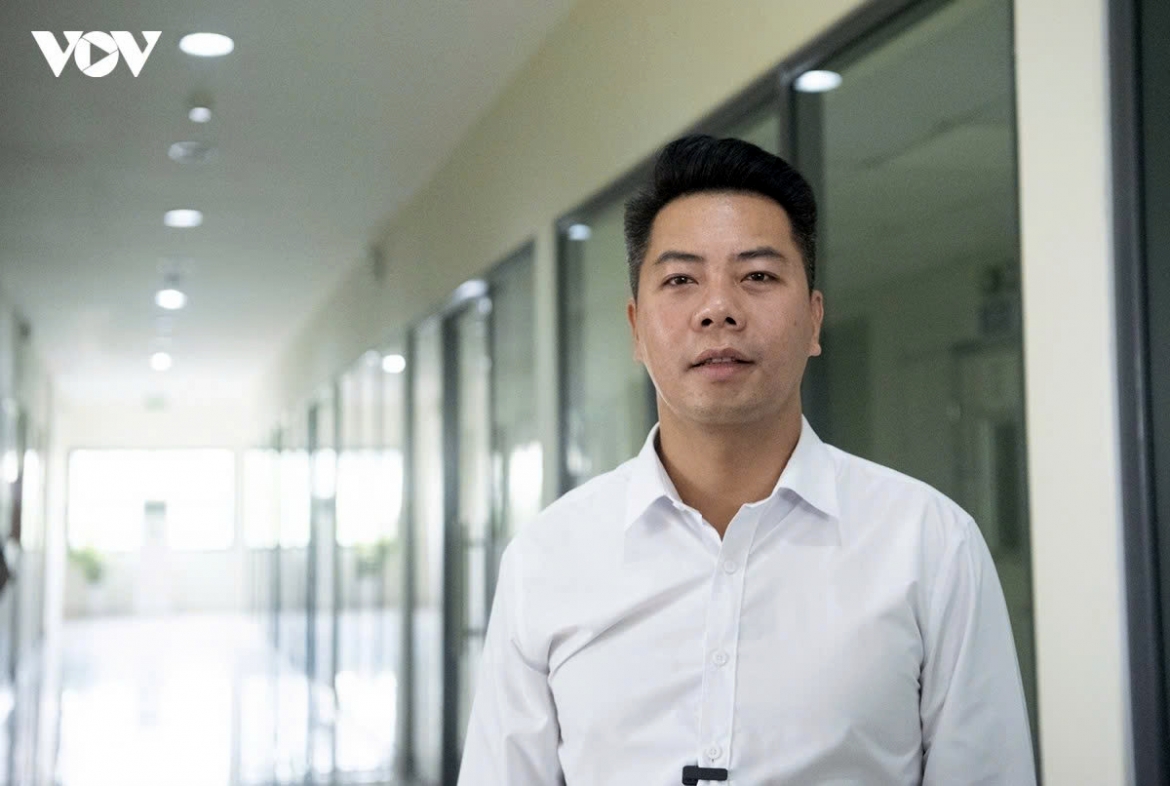
“The ability to recover usable DNA from fallen soldiers' remains is always an unknown,” said Tran Trung Thanh, director of the Centre for DNA Identification under the Institute of Biotechnology, Vietnam Academy of Science and Technology (VAST), describing the challenge of identifying soldiers who died decades ago.
One mission that is vivid in his memory took place at Giong Rieng Martyrs' Cemetery in southern An Giang province.
“When we opened the graves, we were genuinely shocked because almost all of them were flooded,” he recalled.
According to Thanh, groundwater has affected the cemetery since the late 1980s, severely compromising the preservation of genetic material in the remains.
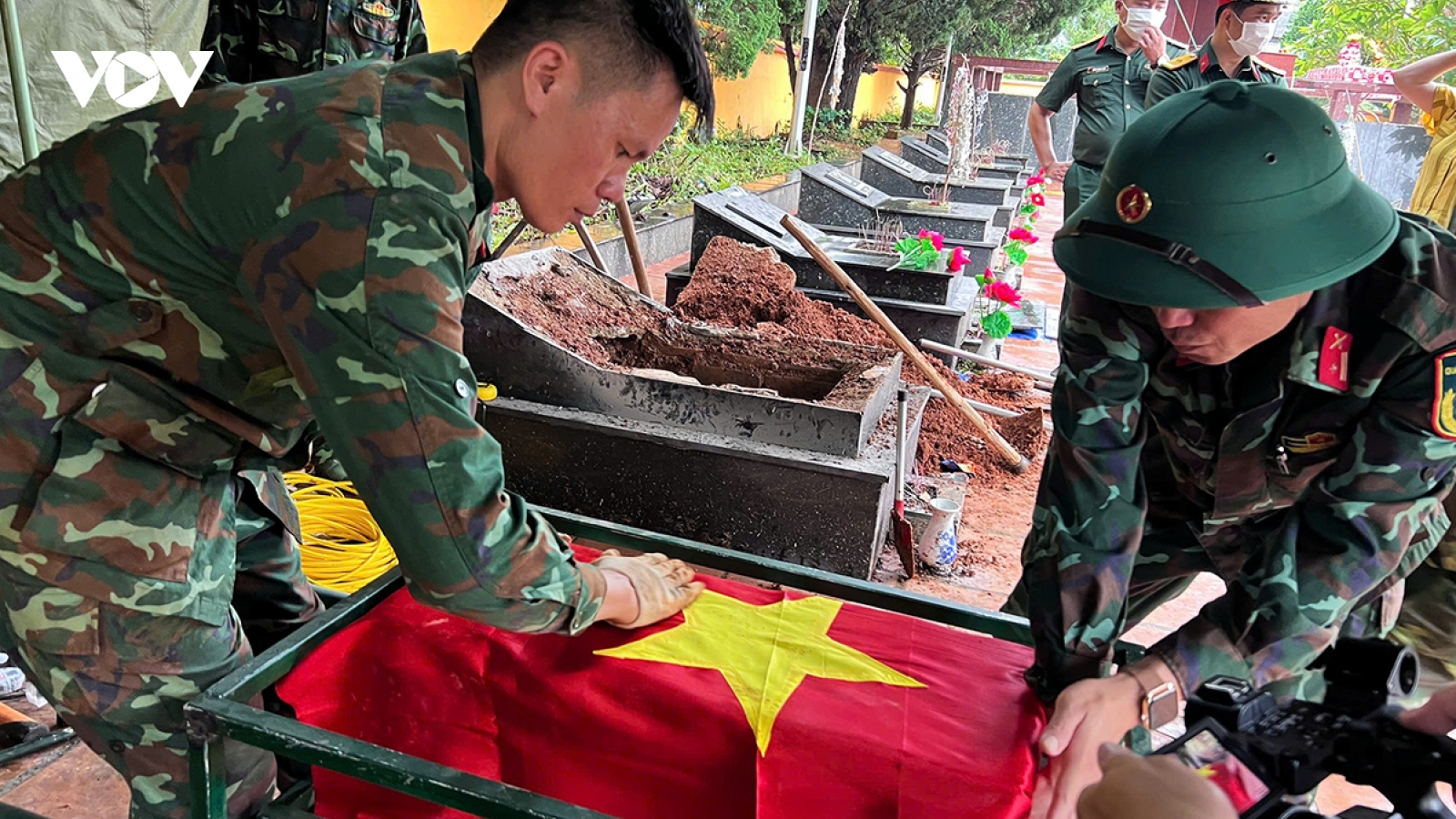
During the mission, specialists exhumed 965 graves and collected 535 biological samples considered potentially suitable for DNA analysis. However, the final number of samples that can be successfully sequenced will only be known after laboratory testing.
“The remains have been buried for many decades, so the chances of recovering DNA is uncertain,” he said.
Giong Rieng is only one example of the challenges faced by forensic scientists. Burial conditions during wartime, varying climates and soil characteristics across Vietnam, and the passage of time have all affected the preservation of human remains in different ways.
Some graves are located in dry, compact soil, while others have been submerged for decades. These differences make the identification of fallen soldiers one of Vietnam’s most demanding scientific and humanitarian missions.
Technology creates new possibilities
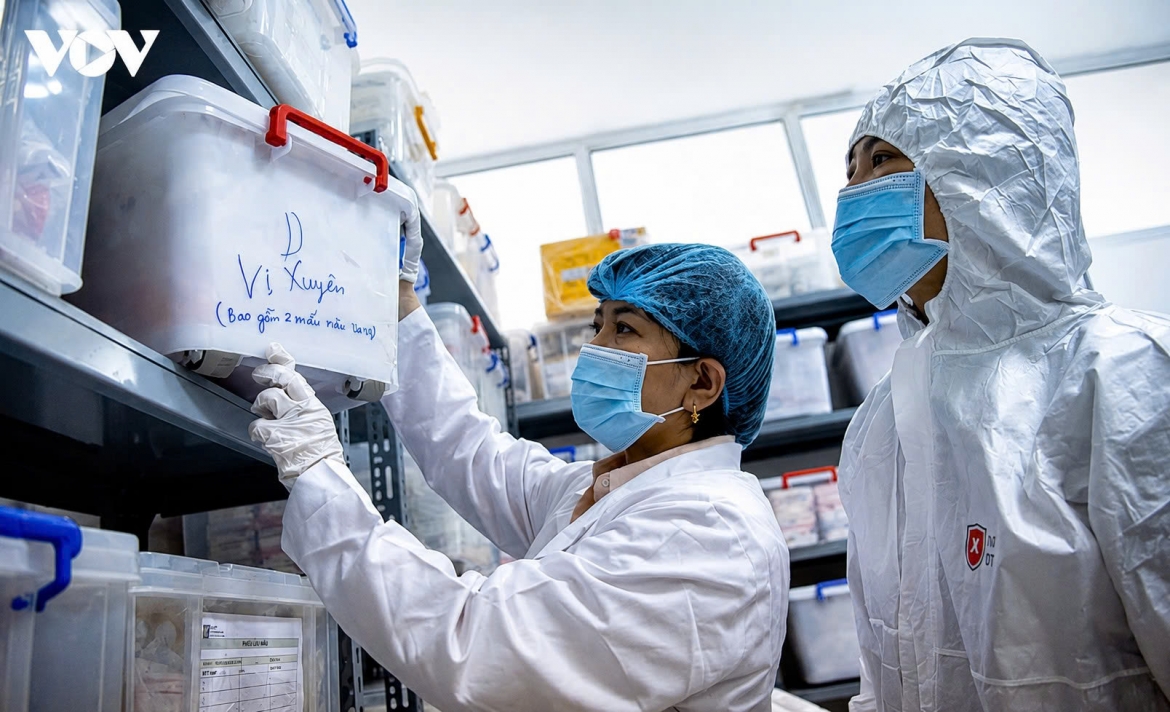
For many years, mitochondrial DNA sequencing has helped identify numerous fallen soldiers. However, with tens of thousands of unidentified remains still awaiting identification and an increasing need to compare DNA with relatives nationwide, scientists believe more advanced technologies are required.
“Given the large number of remains and family samples that need to be analysed, additional technological solutions are essential,” Thanh said.
Through a national project to strengthen DNA identification capacity, implemented by the Vietnam Academy of Science and Technology with financial support from the United States Government and technical cooperation from the International Commission on Missing Persons (ICMP), the Centre for DNA Identification has begun applying nuclear genome analysis.
According to forensic scientist Vu Anh Tuan, the new technology addresses several limitations of existing methods.
“Nuclear genome analysis allows us to expand family matching beyond the maternal line to include paternal relatives, while also extending comparisons to fourth- and fifth-generation family members,” Tuan explained.
The use of single nucleotide polymorphism (SNP) analysis is also expected to improve identification in cases that have proven extremely difficult using conventional techniques.
Science in the service of remembrance
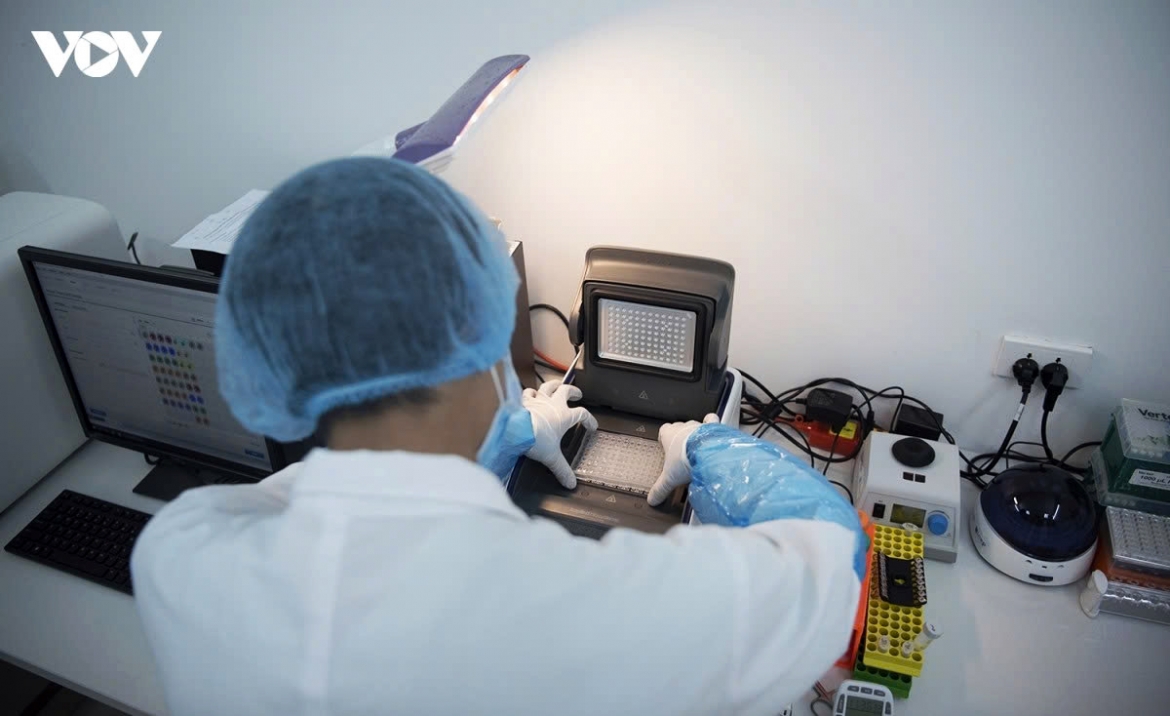
To master these advanced technologies, Vietnamese forensic experts have received training both at home and abroad while working closely with international specialists on research and technology transfer.
Their work extends far beyond the laboratory. Field missions with war veterans and relatives of fallen soldiers to verify historical records, reconstruct family trees and identify potential relatives are equally important parts of the identification process. Every verified piece of information can shorten the journey toward restoring a soldier's identity.
For the scientists involved, the greatest reward is not mastering cutting-edge technology but helping another fallen soldier return home.
“Every time we successfully identify a fallen soldier and help return them to their family, it is an emotional moment for all of us. This is a mission of the heart,” Tuan said.
According to Thanh, during the 500-day campaign, the Centre for DNA Identification will analyse 6,623 existing samples of fallen soldiers' remains. The centre will then transfer its technology and technical procedures to DNA laboratories across Vietnam under the coordination of the National Steering Committee 515, helping strengthen the country’s long-term capacity to identify war dead.
Although the war ended decades ago, Vietnam’s search for its missing soldiers continues. Every DNA profile successfully decoded represents far more than a scientific achievement. It offers an opportunity for an unidentified soldier to regain a name, for a family to finally end years of waiting, and for Vietnam's enduring commitment to honouring those who sacrificed their lives for the nation to be carried forward through the achievements of modern science.
Vietnam is implementing the nationwide 500-Day Campaign, starting from March 15, 2026, to search for, recover and identify the remains of fallen soldiers ahead of the 80th anniversary of War Invalids and Martyrs Day (July 27, 1947 - 2027). The campaign combines archival research, battlefield surveys, DNA identification and international cooperation in an effort to resolve one of the country’s most enduring humanitarian legacies of war.
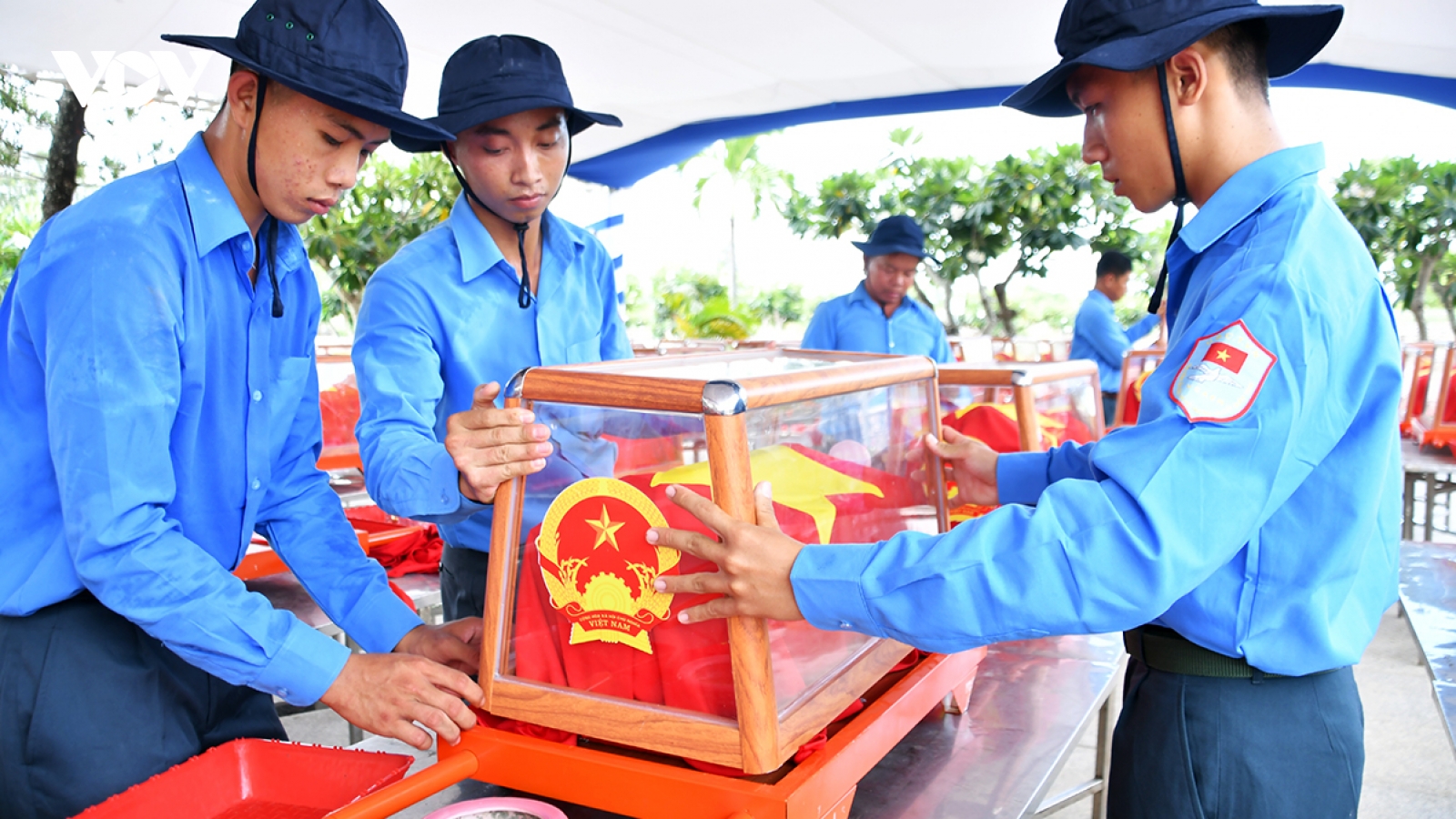
From President Ho Chi Minh’s teachings to the search for fallen soldiers in Vietnam
VOV.VN - Nearly 80 years after President Ho Chi Minh launched War Invalids and Martyrs Day (July 27, 1947 – 2026), Vietnam continues his legacy through a 500-day campaign to search for, recover and identify the remains of fallen soldiers, helping more Vietnamese heroes return to their families.