Urban Development Law proposed with special mechanisms for key cities

VOV.VN - The Government has submitted a draft Urban Development Law to the National Assembly, proposing special mechanisms for special-class cities and special economic zones to unlock investment, strengthen urban governance and create new growth drivers.
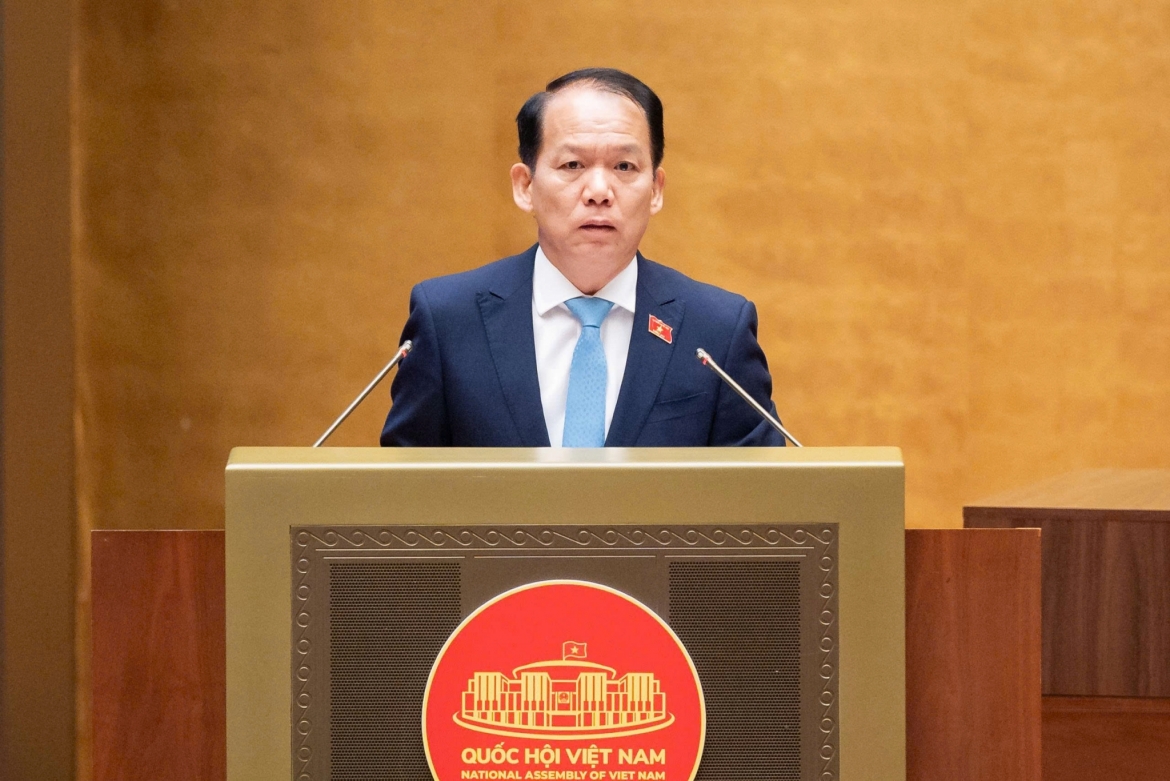
Presenting the bill at the ongoing first extraordinary session of the National Assembly in Hanoi on August 7, Justice Minister Hoang Thanh Tung said the legislation is intended to establish a comprehensive and long-term legal framework for urban development, particularly for Ho Chi Minh City, special-class cities and special economic zones.
According to the government, the draft law would help remove institutional bottlenecks related to infrastructure, investment resources and implementation while providing a stable legal foundation for developing new growth poles and attracting high-quality investment.
The draft also seeks to consolidate urban development regulations currently scattered across different laws and institutionalise the Party's policies on urbanisation, growth model reform, decentralisation and more effective urban governance.
Greater power for special-class cities
One of the draft law’s key proposals is to grant broader authority to governments of special-class cities.
Local authorities would be empowered to issue implementing regulations and address issues arising from the management and development of their cities within the framework of national law.
The draft combines greater decentralisation with stronger oversight through inspection, supervision, accountability and power-control mechanisms. It also proposes simpler and more flexible administrative procedures to facilitate investment and improve public services.
Special mechanisms for new growth poles
The draft law contains five chapters and 66 articles centred on two major policy pillars - expanding decentralisation for special-class cities and establishing dedicated mechanisms for special economic zones.
According to the government, the new framework would support the development of strategic sectors, including international financial centres, free trade zones, logistics, the marine economy, energy infrastructure, science and technology, innovation, digital transformation, education, health care, tourism and strategic investment.
For special economic zones, the draft introduces policies on planning, infrastructure investment, resource mobilisation, non-tariff zones, the marine economy and duty-free business activities to help build competitive regional growth hubs.
The bill also includes provisions encouraging officials to act proactively and creatively in the public interest while strengthening safeguards against corruption, abuse of power and policy manipulation.
Lawmakers seek clearer decentralisation rules
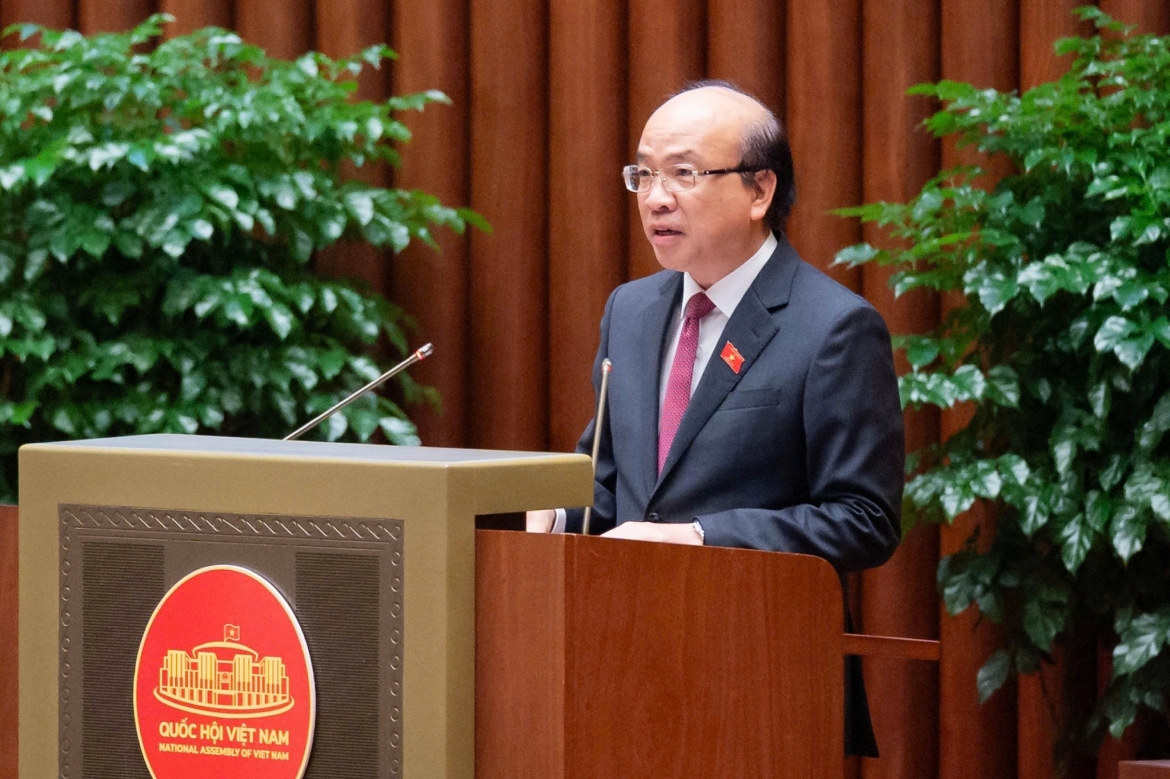
Presenting the National Assembly's verification report, Chairman of the Committee on Legal and Judicial Affairs Phan Chi Hieu expressed support for the need to enact the Urban Development Law, saying it would provide a unified legal framework for developing major cities and special economic zones.
However, the committee recommended further refinement of the draft to fully reflect the Party's latest policy orientations and conduct more comprehensive assessments of its implications for national defence, security, financial resources, human resources and implementation capacity.
While supporting greater decentralisation, the committee called for clearer provisions on the scope, principles and limits of delegated authority, together with stronger accountability and transparency mechanisms.
It also recommended further review of provisions on planning, land management, investment, public finance, free trade zones, non-tariff zones, international financial centres, special economic zones and the marine economy to ensure they promote growth while safeguarding national security and complying with Vietnam's international commitments.
The committee further stressed the need to ensure the law's practical feasibility, including detailed implementing regulations, adequate resources and transitional provisions to avoid legal gaps once the legislation takes effect.
Ho Chi Minh City eyes Japan’s cooperation in urban development
VOV.VN - Ho Chi Minh City is seeking to expand cooperation with Japan in infrastructure, transport, urban planning, tourism development and official development assistance (ODA) funding, while learning from Tokyo’s experience to support its long-term urban development strategy.