Strengthening the “people’s heart” posture through human security

VOV.VN - Vietnam is strengthening its “people’s heart” posture by placing human security at the center of efforts to safeguard national security, protect people’s lawful rights and interests, and maintain social stability.
Building the “people’s heart” posture
Amid increasingly diverse and interconnected traditional and non-traditional security challenges, safeguarding national security is not merely about preventing and combating threats from outside the country. It must also begin with ensuring the peace and safety of people’s lives and protecting the lawful rights and interests of every citizen. This provides the foundation for strengthening public trust, fostering closer ties between the State and the people, and building a strong “people’s heart” posture from the grassroots level.
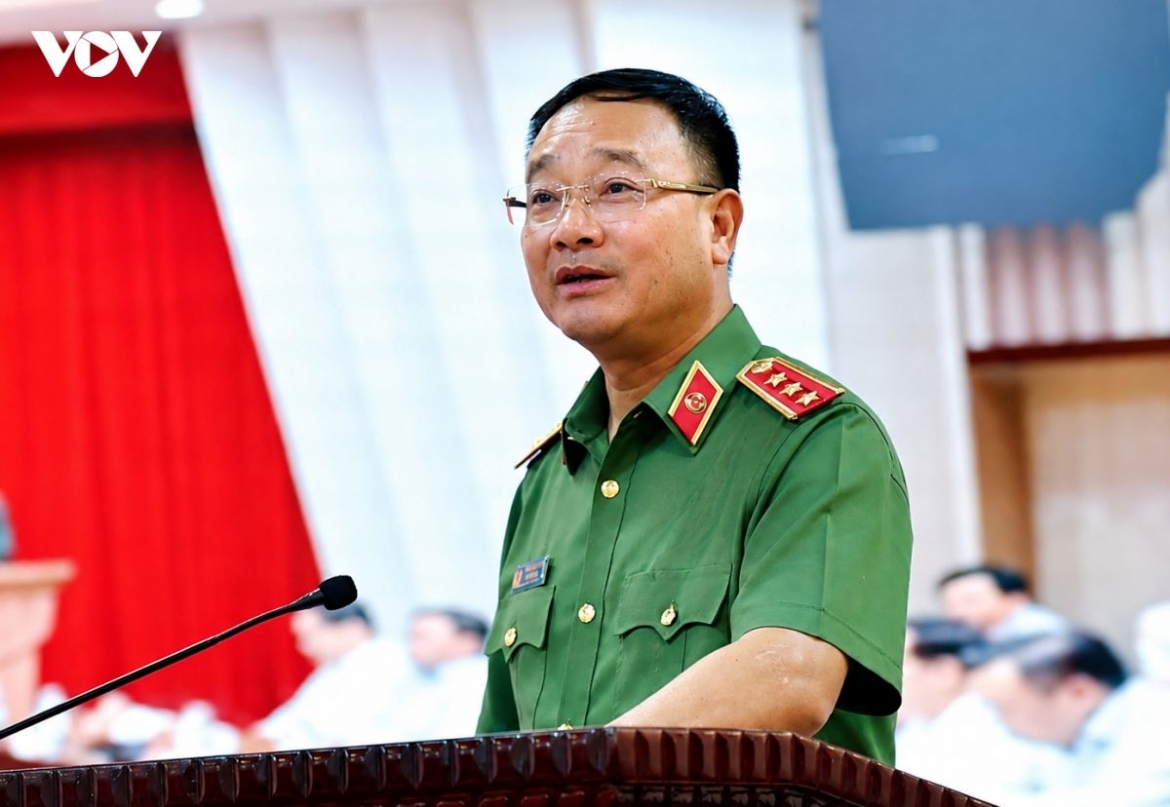
Assessing the current national security situation, Deputy Minister of Public Security Senior Lieutenant General Pham The Tung said Vietnam is facing major opportunities. The country’s international position and prestige continue to rise, providing additional momentum for the economy in the new era. However, alongside these development opportunities come external security pressures and potential risks from within.
One of the major challenges today is protecting the cognitive space and maintaining information, ideological and cultural security. In this context, strengthening the “people’s heart” posture is not only a security requirement but also an important condition for safeguarding the achievements of the revolution, maintaining political and social stability, and creating a favourable environment for development.
The “people’s heart” posture must first be built on the awareness, law-abiding spirit and responsibility of every citizen in building and safeguarding the country. When people have confidence, voluntarily comply with the law and actively participate in maintaining security and public order, the strength to safeguard national security will be nurtured from every family, community and residential area.
According to Sen. Lieut. Gen. The Tung, this requires a recognition of the organic relationship between political stability, institutional strength and social welfare. Narrowing the gap between the authorities and the people, caring for people’s livelihoods, and safeguarding their legitimate rights and interests are important factors in strengthening public trust and enhancing the strength of the State.
Reality in strategic areas such as the Northwest, Central Highlands and Southwest, as well as border and island areas, shows that where people lack residential or productive land, stable employment, or face complicated and prolonged disputes and complaints, gaps may emerge for hostile forces and bad actors to exploit, influence and incite people.
This demonstrates that building a strong “people’s heart” posture cannot be limited to communication and public mobilisation. It must be incorporated into comprehensive development and social welfare policies and efforts to address people’s practical concerns.
Addressing issues at the grassroots level, preventing risks at an early stage
To turn the “people’s heart” posture into practical action, Sen. Lieut. Gen. Pham The Tung called for stronger promotion of the people’s role as the primary actors, particularly by proactively identifying, preventing and stopping potentially destabilising factors at the grassroots level.
Relevant forces and mass organisations at the local level need to raise public awareness and vigilance, step up communication and mobilisation, and encourage officials, Party members and the people to actively participate in the All-People Movement for National Security Protection.
Under this approach, people are not only those whose security is to be protected but also active participants in safeguarding security. They can proactively provide information and promptly report acts showing signs of threatening national security or public order and safety.
Promoting the people’s role also requires competent authorities to improve their capacity to receive and process information and resolve issues at the grassroots level. When conflicts and disputes are identified and addressed promptly, the risk of them accumulating and spreading into more complicated security and public-order problems can be reduced.
Proactively preventing and promptly resolving conflicts and disputes from the moment they arise at the grassroots level not only helps maintain peace and security in every village, hamlet and residential community, but also prevents them from developing and spreading into complex ‘hot spots’ involving security and public order, Sen. Lieut. Gen. Tung stressed.
Thus, the “people’s heart” posture needs to be closely linked with the people’s security posture and the all-people national defence posture, creating combined strength to safeguard the Fatherland. This strength should not only be mobilised when complicated situations arise, but must be prepared and consolidated on a regular basis in every locality and residential community.
Making human security a foundation of national security
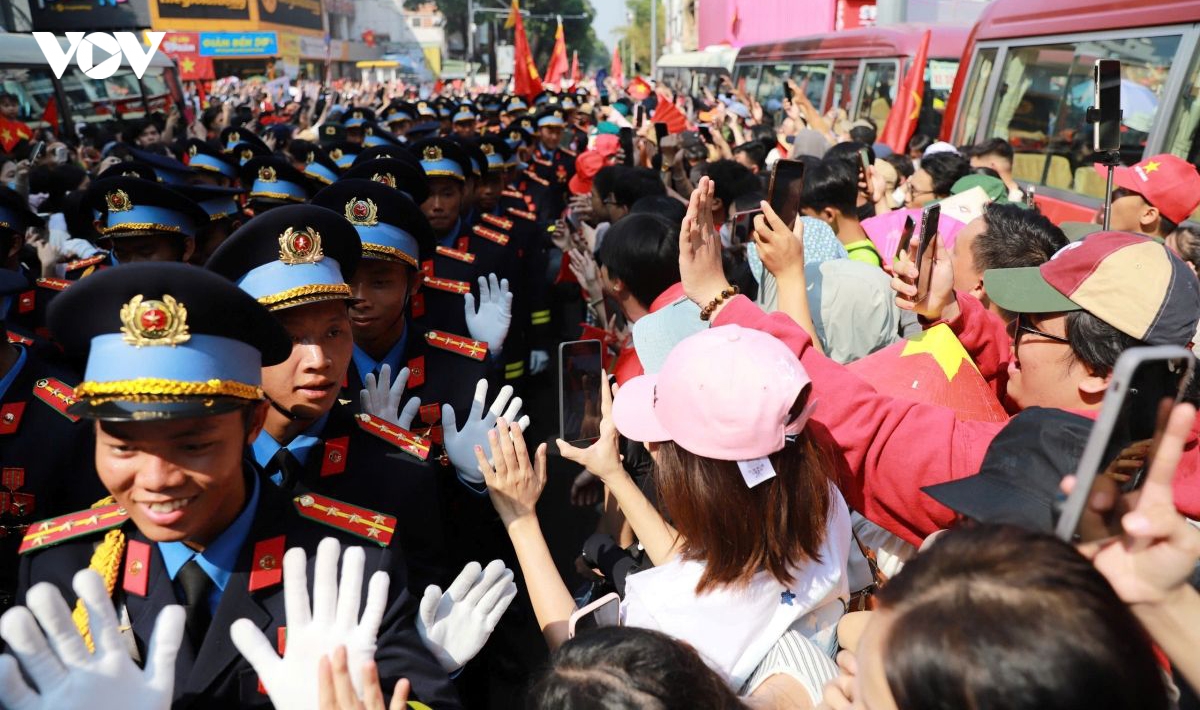
Sen. Lieut. Gen. Tung noted that an important breakthrough in the current approach to safeguarding national security is a shift from a purely security- and public-order-focused approach toward recognising human security as one of the important foundations of national security.
Accordingly, safeguarding security is not merely about preventing and combating external risks and threats or dealing with complicated security and public-order issues. It must also begin with protecting people’s peaceful lives, lawful rights and interests, living conditions and opportunities for development.
This approach places people at the centre of national security efforts. An effective security policy, therefore, should not be measured solely by its ability to prevent and address threats, but also by its ability to create an environment in which people can live safely, have opportunities to develop and maintain confidence in the institutions.
At the same time, it is necessary to continue strengthening the great national unity bloc and promoting the role of socio-political organizations and mass organisations such as the Vietnam Veterans Association, Ho Chi Minh Communist Youth Union, Vietnam Women’s Union, Vietnam Fatherland Front and other social organisations in building community life and safeguarding security and public order at the grassroots level.
Social welfare policies should therefore be implemented in a substantive and targeted manner, ensuring broad coverage and accessibility, particularly for disadvantaged and vulnerable groups. This is not only a requirement of social policy but also an important solution to strengthening public trust, fostering closer ties between the State and the people, and preventing factors that could develop into security issues.
Expanding the scope of security protection in the new context
Modern security thinking is also significantly expanding the scope and methods of security protection, combining traditional measures with the effective identification and response to non-traditional security challenges.
As Vietnamese citizens increasingly study, work, invest and live in many countries, the space for ensuring security is no longer confined to the national territory. Protecting the lawful rights and interests of Vietnamese organizations and individuals abroad has therefore become an important component of the national security mission.
As the established principle puts it: “Wherever Vietnamese people’s interests go, security and public order must be protected there.” This demonstrates that the approach to safeguarding security is increasingly placing people, their legitimate interests and community safety at the centre.
From every family and residential community to strategic areas and spaces beyond the national territory, the “people’s heart” posture can only be truly strong when people are both protected and empowered to play an active role in safeguarding security. When public trust is strengthened, people’s concerns are addressed promptly at the grassroots level, and their legitimate rights and interests are protected, the “internal shield” will likewise become stronger, creating greater strength to safeguard people’s peaceful lives and national security.
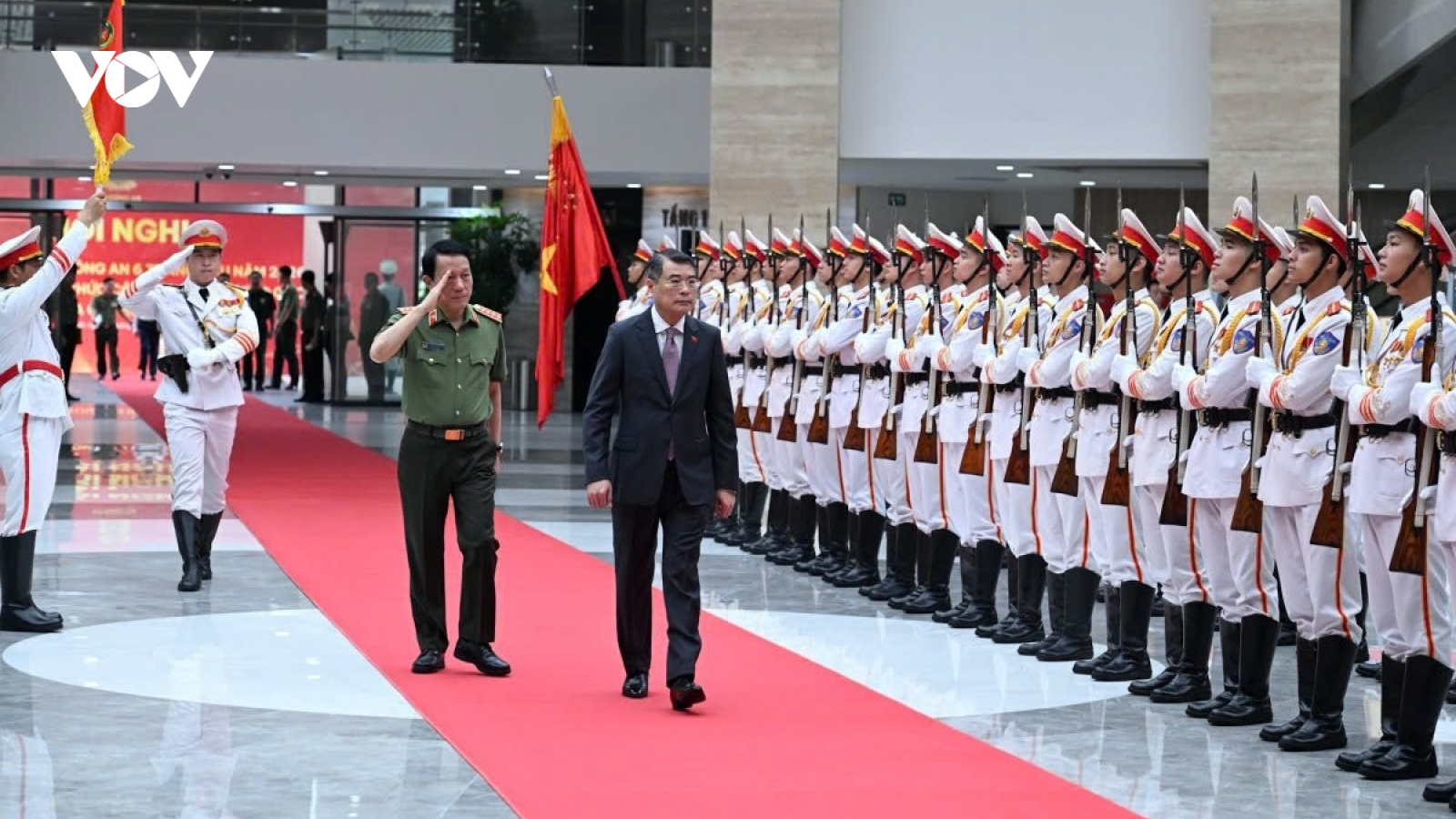
Public Security Force must strengthen strategic forecasting capabilities, PM says
VOV.VN - Prime Minister Le Minh Hung on July 2 urged the Public Security Force to strengthen its strategic forecasting capabilities and improve early risk assessment, saying it must anticipate security challenges from the outset and avoid being caught off guard in any situation.