IP law revision aims to turn intellectual property rights into assets

VOV.VN - Vietnam is revising its intellectual property law to make intellectual property rights more readily recognised, valued and commercialised, while adapting the legal framework to digital technology and artificial intelligence.
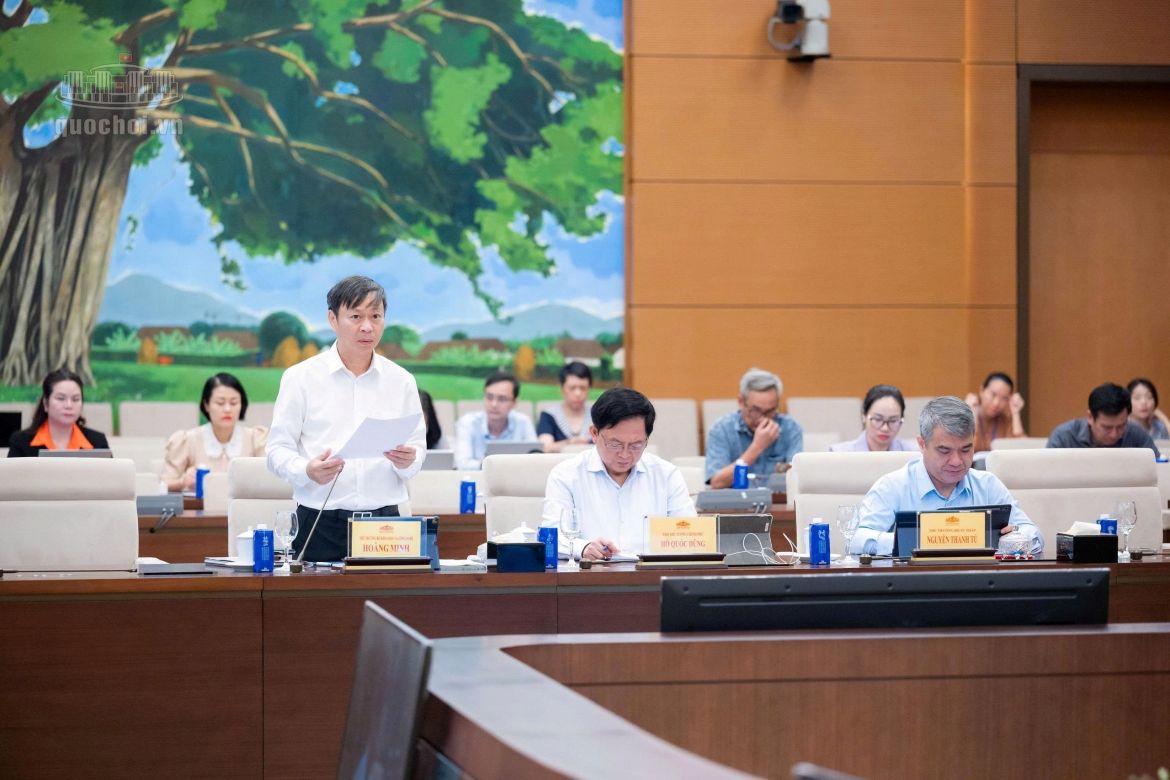
The amendments were examined at the sixth session of the National Assembly Standing Committee in Hanoi on September 24.
One notable proposal is to abolish 18 administrative procedures and remove five business conditions, aiming to reduce the time, costs and compliance obligations faced by individuals and businesses in registering, establishing and exercising intellectual property rights.
The draft also proposes transferring state management responsibilities for rights to plant varieties from the Ministry of Agriculture and Environment to the Ministry of Science and Technology.
Cutting procedures must go hand in hand with management reform
Supporting the streamlining of administrative procedures and stronger administrative reform, National Assembly Vice President Nguyen Hong Dien stressed that cutting procedures and business conditions must deliver substantive improvements and be accompanied by changes in state management methods.
Some provisions in the draft, he noted, currently reduce the number of procedures on paper by abolishing certain provisions or removing them from the law, but may not necessarily result in genuine reductions in the time, costs and compliance obligations of individuals and businesses.
He therefore urged further review of the draft to prevent procedures simplified at the legislative level from being recreated in sub-law documents.
The National Assembly Vice President also recommended a stronger shift from pre-inspection to post-inspection, and from document-based management to management based on risk data and the responsibilities of relevant entities.
Creating conditions for intellectual property to become an exploitable asset
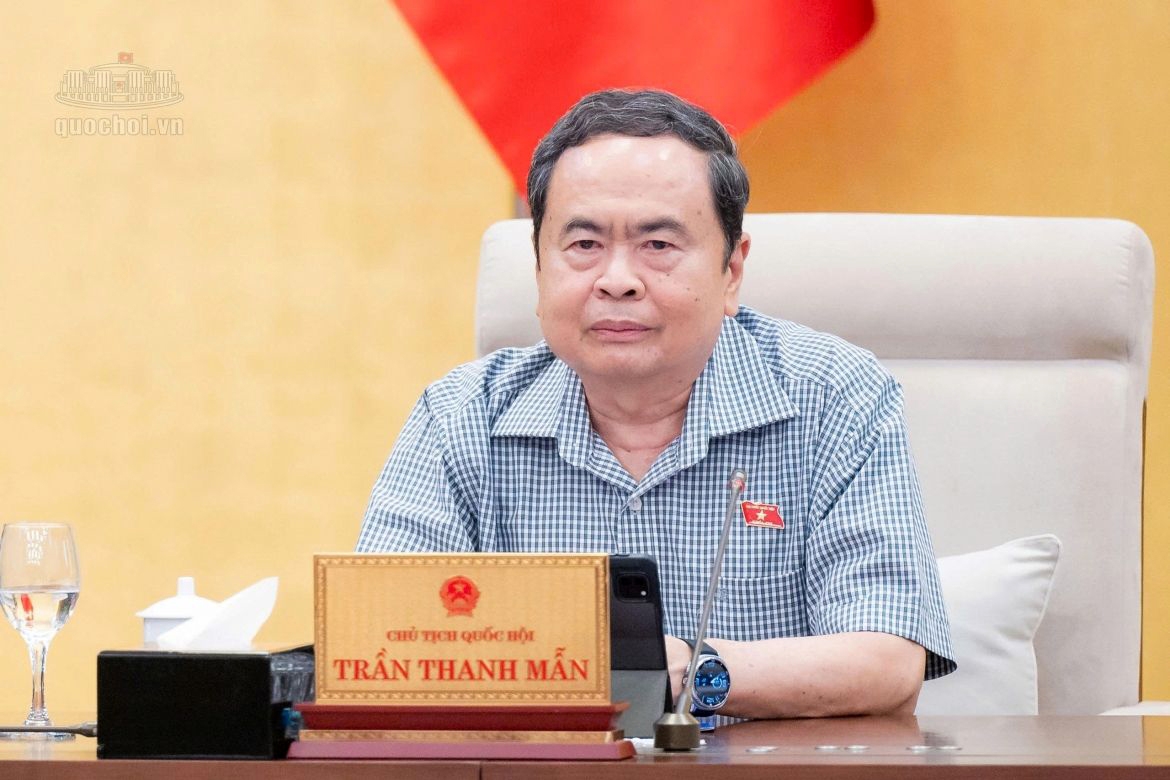
Emphasising the broader direction of the revision, National Assembly President Tran Thanh Man said the focus should shift from protecting intellectual property rights to turning them into assets and promoting their commercialisation, while completing the legal framework to keep pace with digital technology and artificial intelligence.
The National Assembly President called for unified and transparent guidance to be issued soon, particularly for intangible assets such as software, data and digital brands.
Clearly establishing the legal framework and methods for recognising such assets is important to giving banks and investors greater confidence when accepting intellectual property rights as collateral.
The top legislator also proposed studying tax and credit incentives for businesses using intellectual property as capital contributions, as well as stronger training for accountants and auditors in accounting for intellectual property assets. This would help prevent businesses from holding valuable assets that cannot be fully recognised in their accounting systems.
He also proposed prioritising fast-track appraisal mechanisms for strategic areas such as green technology, semiconductors and artificial intelligence, while strengthening the responsibilities of intermediary service providers and operators of digital platforms in protecting intellectual property rights online.
According to the programme, the National Assembly Standing Committee will continue discussions on the draft Cultural Industries Development Law and the draft amended Food Safety Law on the afternoon of September 24.

Intellectual property enforcement boosts confidence for businesses and investors
VOV.VN - Strengthening the enforcement of intellectual property (IP) rights not only contributes to protecting innovation but also raises the confidence of businesses and investors.