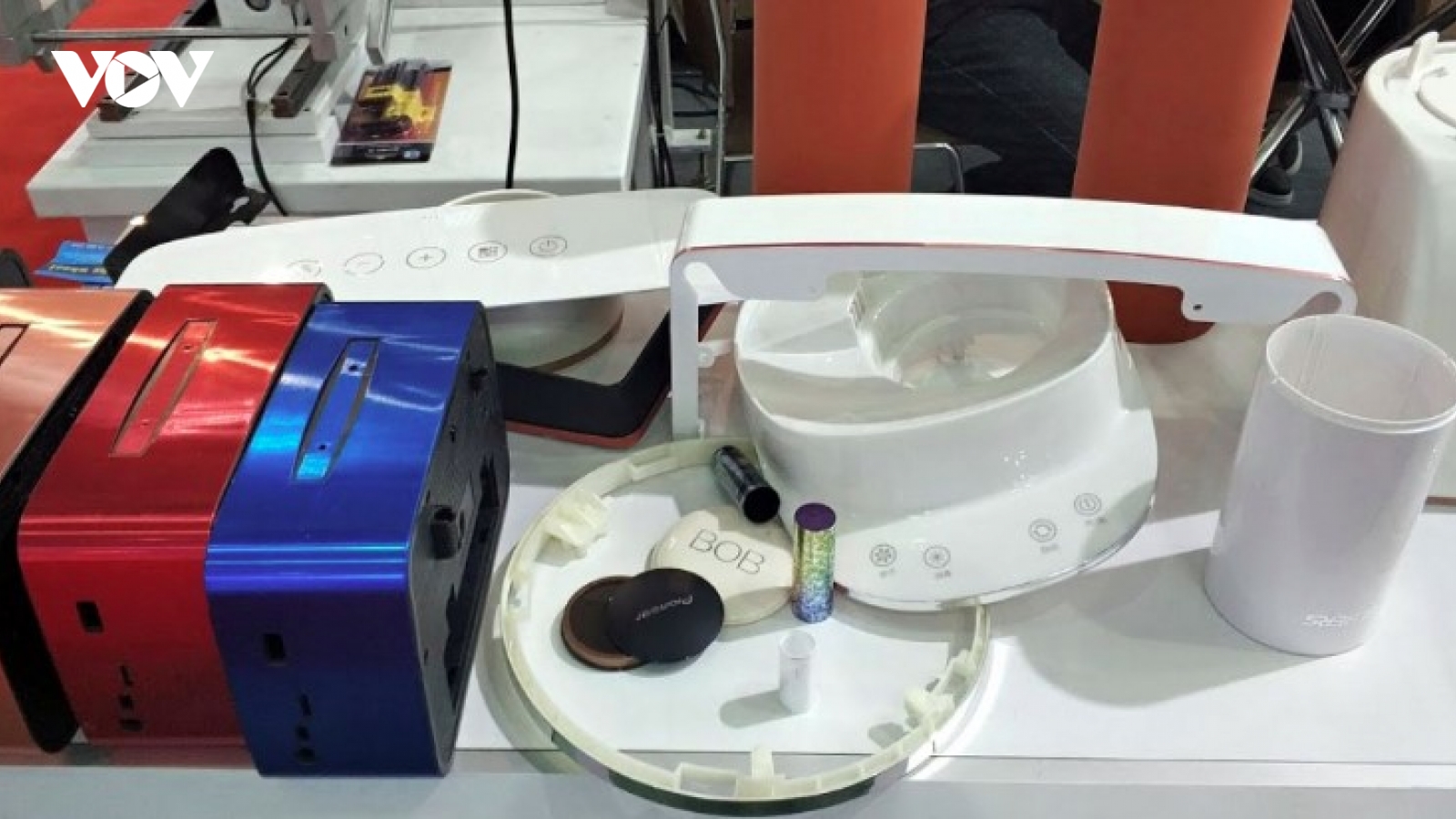
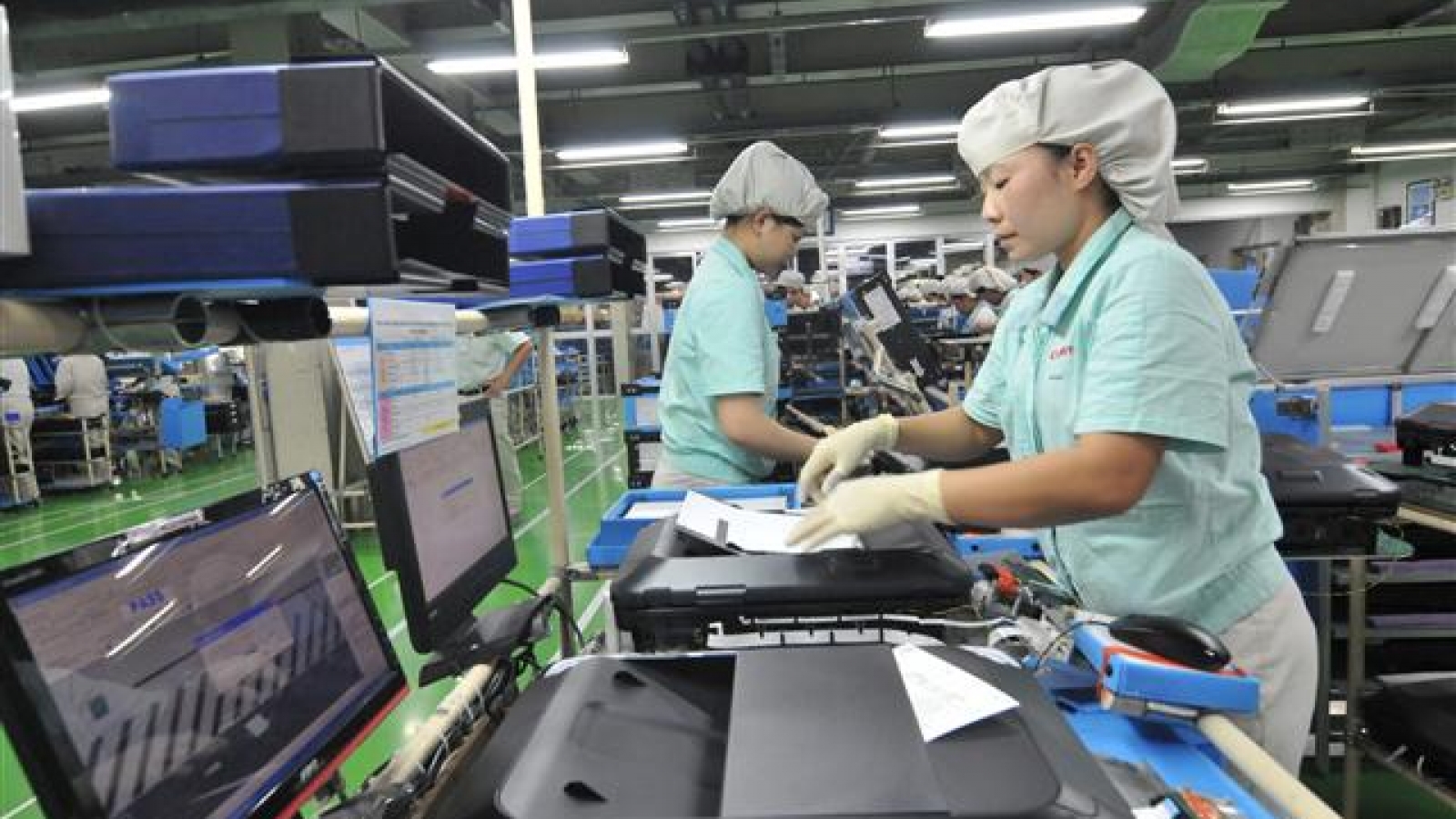
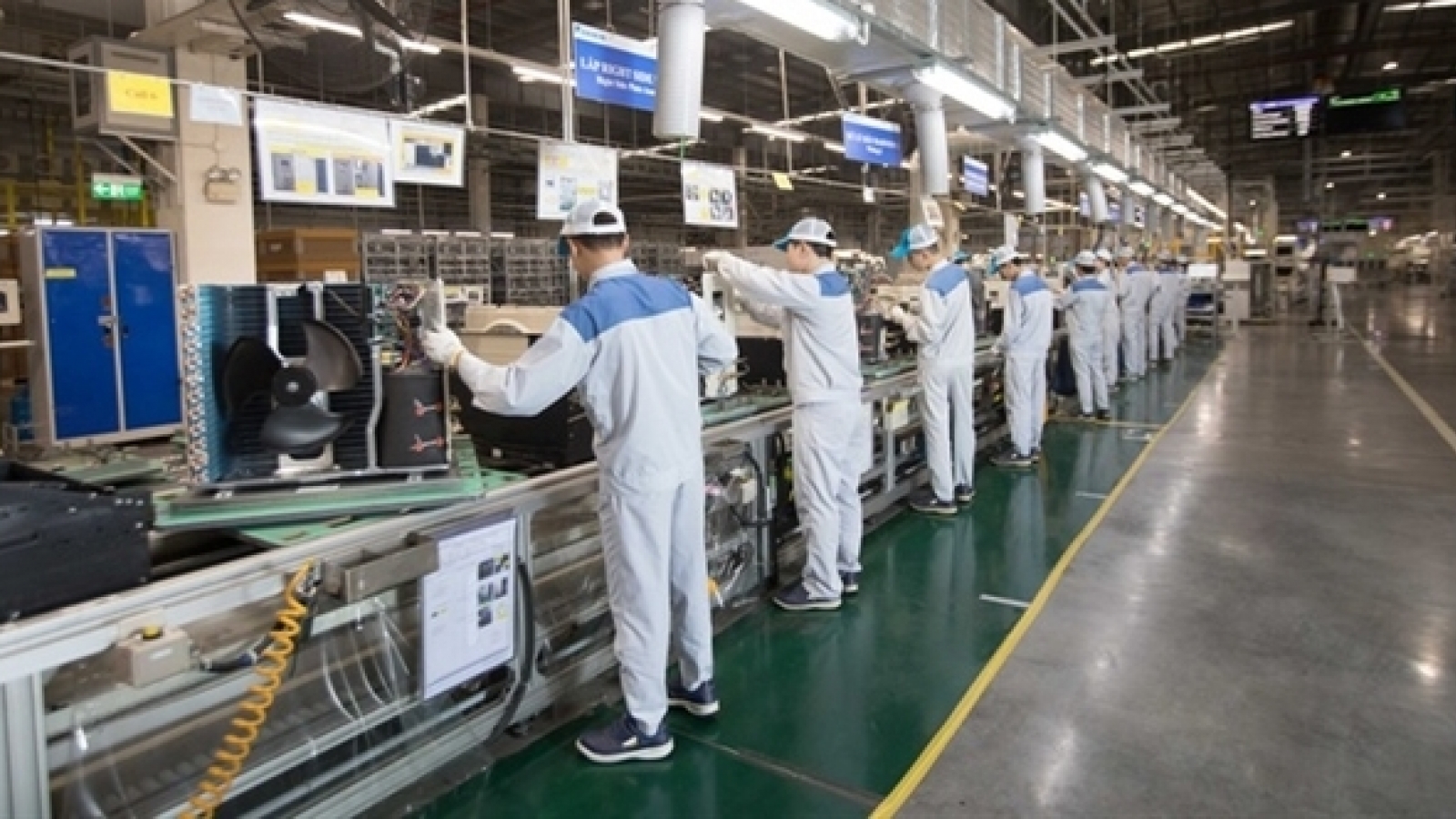
Electronics industry told to narrow Vietnam’s trade deficit, boost exports

VOV.VN - The Vietnam Electronic Industries Association (VEIA) should seek to narrow the trade deficit by strengthening domestic supporting industries, improving supply-chain links and encouraging manufacturers to expand production and exports.
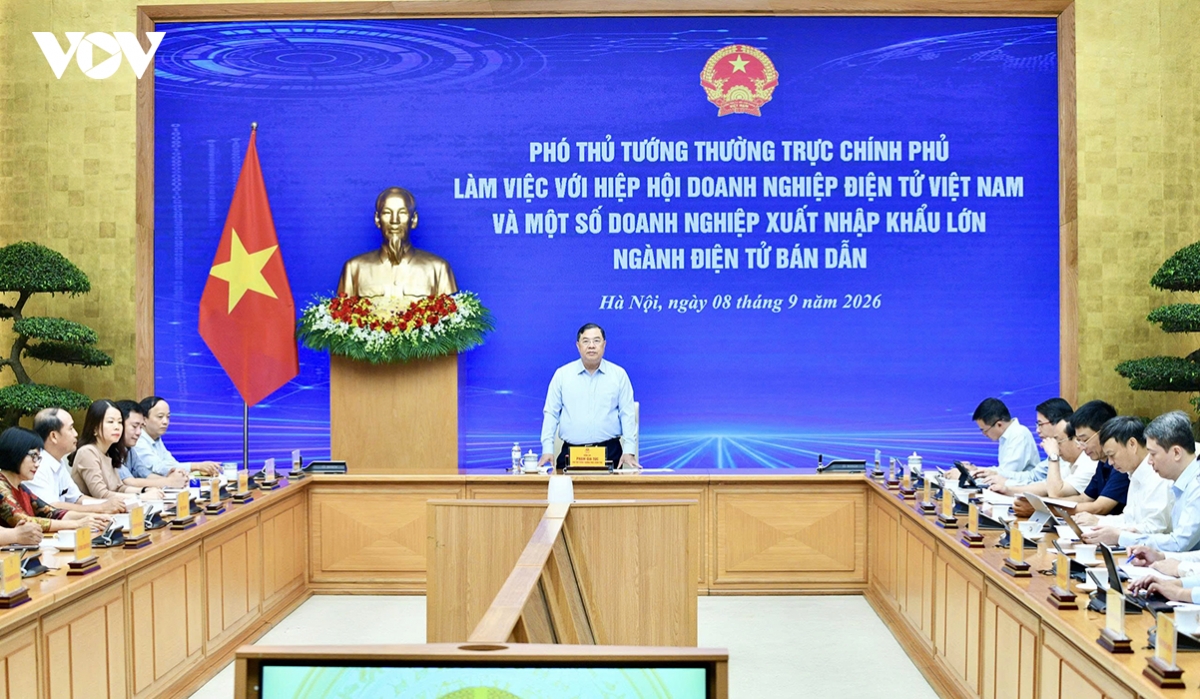
Permanent Deputy Prime Minister Pham Gia Tuc made the request during his working session with the Vietnam Electronic Industries Association and major electronics and semiconductor import-export companies at the Government Office in Hanoi on September 8.
He asked the Ministry of Industry and Trade to work with companies recording large gaps between their import and export turnover, clarifying the structure and purposes of their imports and the extent to which imported inputs serve production and exports.
The move is aimed at identifying appropriate solutions to promote manufacturing and exports while limiting the trade deficit in the period ahead.
Statistics show in the first eight months of 2026, exports of computers, electronic products, mobile phones and components brought back approximately US$101 billion, up 51% year on year. Meanwhile, imports of computers, electronic products and components surged to US$161 billion, up 68%, resulting in a trade deficit of around US$60 billion.
Raising localisation in electronics and semiconductors
Data presented at the meeting showed that electronics imports are concentrated in key production inputs, including integrated circuits, memory, processors, displays and circuit boards.
Most of these imports are production inputs serving assembly and packaging activities, as well as the expansion of high-tech production lines for areas such as artificial intelligence, data centres and chip testing.
However, Vietnam’s supporting industries have yet to develop in line with the needs of the electronics industry, leaving manufacturers heavily dependent on imported components. This is also one of the factors limiting domestic value added in the industry.
Permanent Deputy Prime Minister Pham Gia Tuc called for continued reviews and updates of the list of supporting-industry products, with priority given to electronics and to components and materials that have strong demand and significant potential for localisation.
He also called for support mechanisms to be designed along supply chains and around specific products, rather than being spread across individual projects, alongside programmes to connect and develop Vietnamese suppliers for domestic and foreign electronics, semiconductor and technology groups.
Such programmes should be tailored to specific product chains, technical standards and companies’ needs, he suggested.
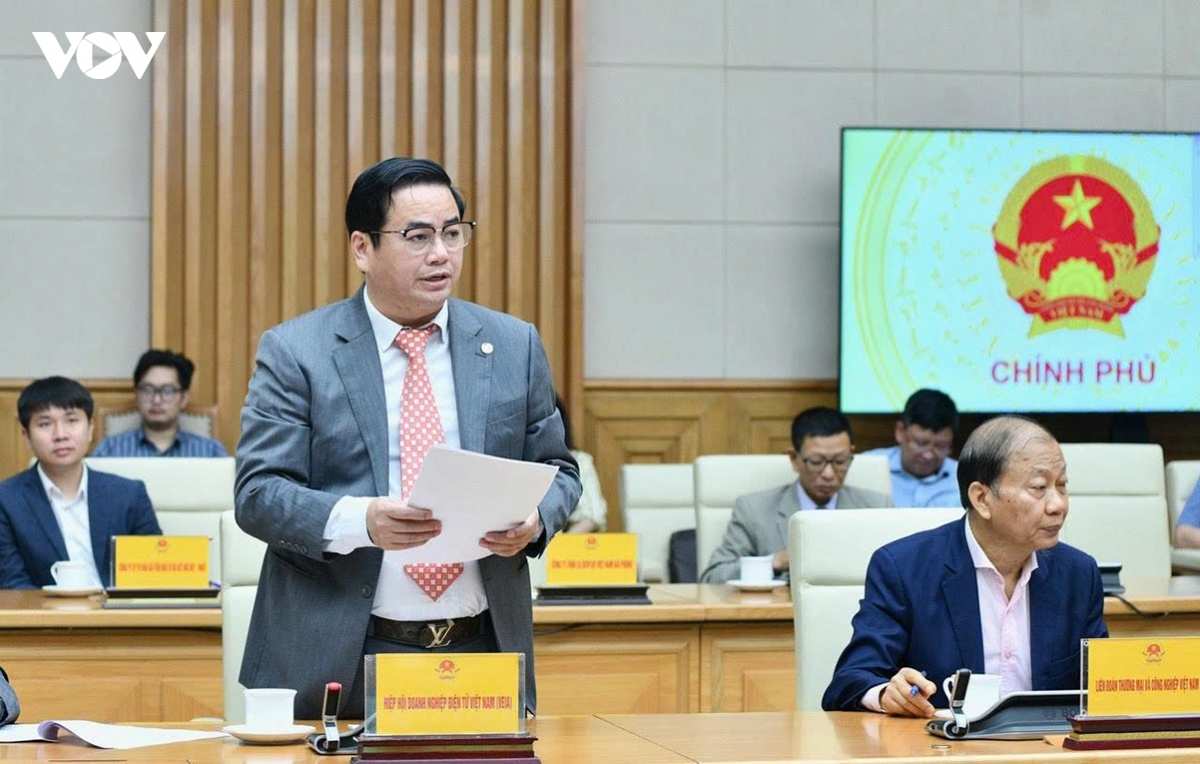
Earlier, Nguyen Van Dong, chairman of the Vietnam Electronic Industries Association, proposed a programme to develop Vietnamese electronics suppliers, focusing on printed circuit boards (PCBs), printed circuit board assemblies (PCBAs), precision engineering, cables and connectors, engineering plastics, sensor modules, power supplies, electronic components and equipment serving AI and servers.
The association also proposed strengthening stronger links between foreign-invested enterprises and Vietnamese companies, encouraging multinational corporations to disclose their procurement needs, technical standards and roadmaps for developing domestic suppliers.
It also recommended developing medium- and long-term credit products at appropriate interest rates to help companies invest in component production, technological innovation, automation and smart factories.
Removing barriers to electronics manufacturing
Electronics and semiconductor companies proposed additional tax, credit and land incentives for innovation, digital transformation and smart-factory development, as well as the simplification and digitalisation of administrative procedures for import-export activities and customs clearance.
A representative of Hanyang Digitech Vina proposed streamlining procedures for importing used SMT machinery and equipment, particularly when such equipment is transferred between legal entities within the same corporate group. The company said the process should be based on compliance with requirements on quality, safety, energy efficiency and environmental protection.
Meanwhile, a representative of Intel Products Vietnam recommended consolidating guidance on investment incentives to make relevant policies easier for businesses to access. The company also suggested developing a database of Vietnamese businesses capable of supplying raw materials, services, software, machinery and equipment to the electronics and semiconductor industries.
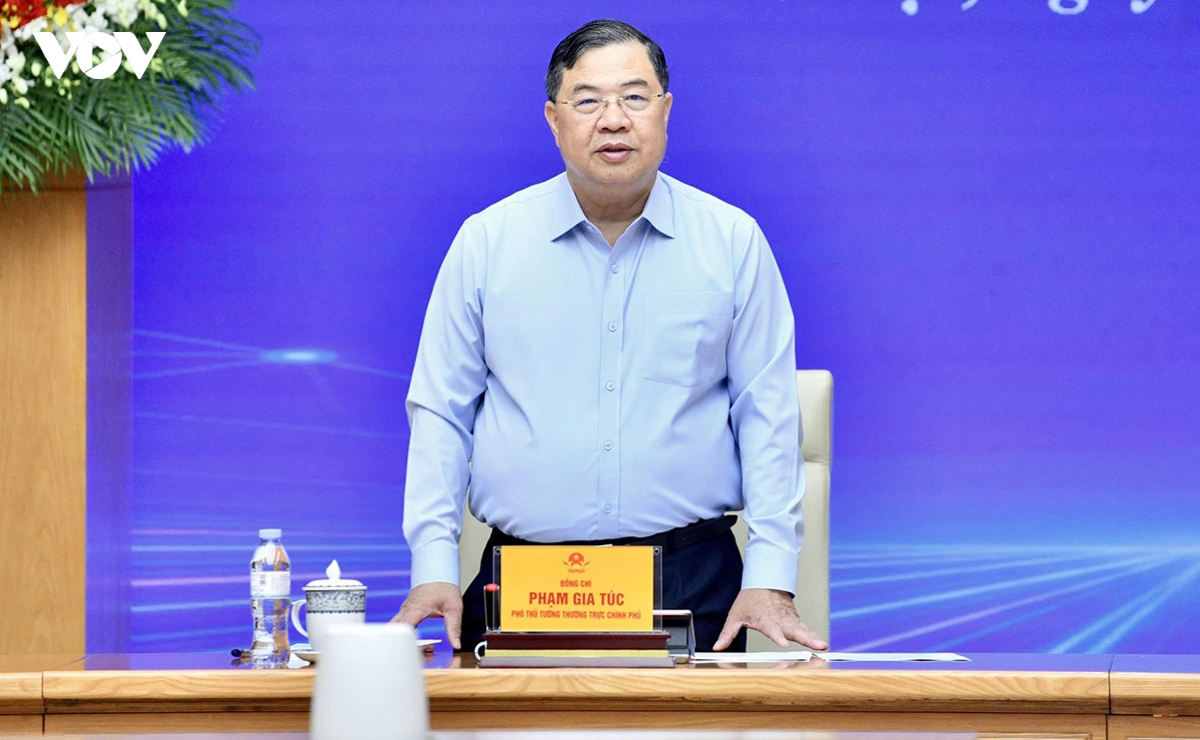
Permanent Deputy Prime Minister Pham Gia Tuc affirmed that the electronics industry plays an important role in achieving Vietnam’s goal of balancing its trade with other countries.
He said the Government wants electronics and semiconductor companies to continue expanding their production and business operations in Vietnam. He pledged continued efforts to improve institutions, reform administrative procedures and create a level and favourable business environment for both domestic and foreign-invested enterprises.
“Businesses’ success is the Government’s success,” he stressed, calling on ministries and agencies to promptly address issues within their jurisdiction in a receptive and careful manner.
The Permanent Deputy Prime Minister also called for stronger early-warning mechanisms and support for businesses in responding to changes in international trade.
He asked relevant agencies to provide guidance on rules of origin and trade remedies, help businesses make better use of next-generation free trade agreements, step up trade promotion, diversify export markets and diversify sources of production inputs.
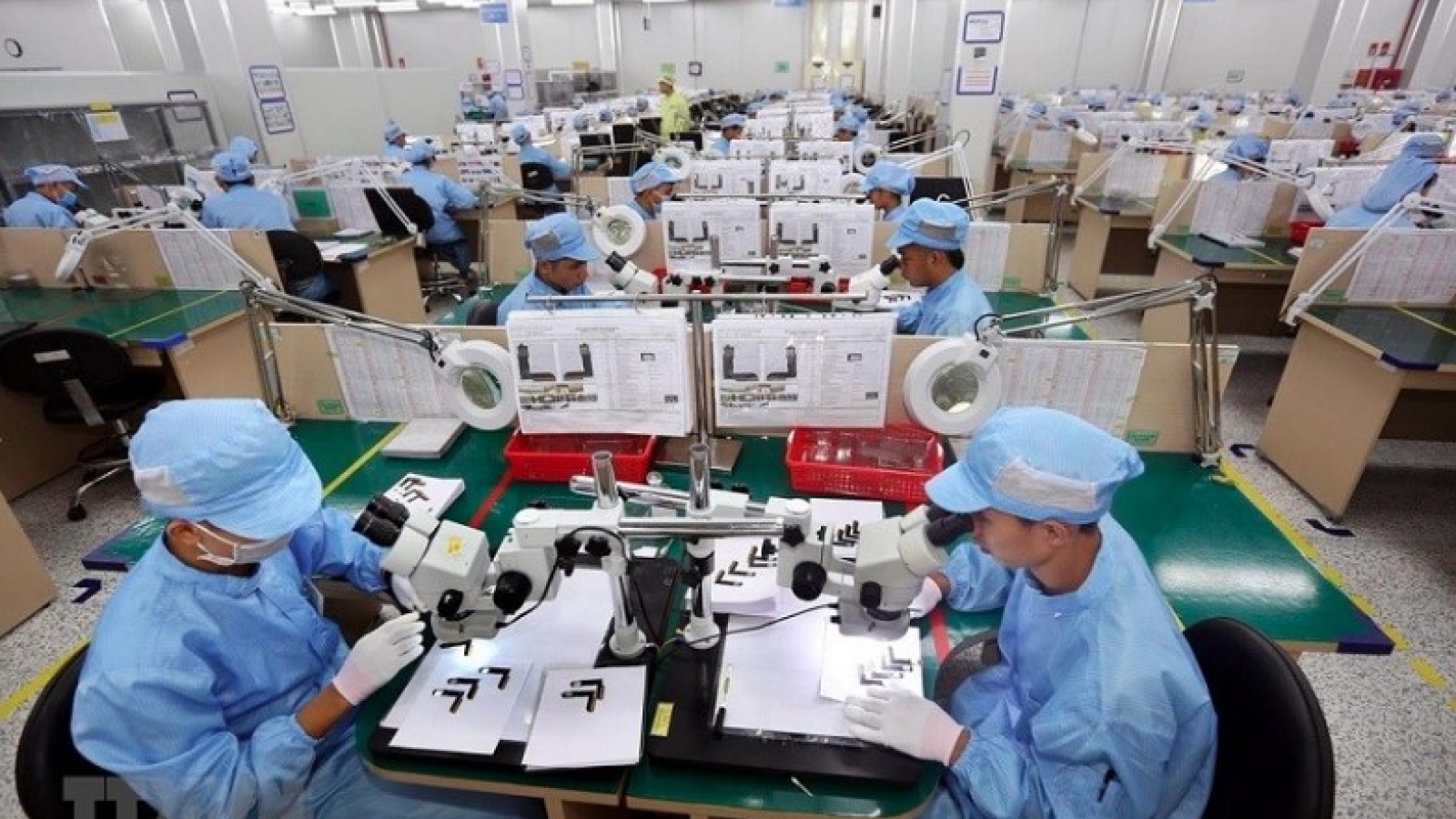
Eight-month exports surpass full-year 2022 total as electronics cross US$100 billion mark
VOV.VN - Vietnam’s export turnover in the January-August period reached an estimated US$374 billion, up 22.2% year-on-year, surpassing the total export value of the entire year of 2022 (US$372 billion) and equivalent to nearly 80% of the 2025 total.