Deputy PM calls for higher-quality higher education system

VOV.VN - Deputy Prime Minister Le Tien Chau has called for Vietnam's higher education development strategy for 2026-2035, with a vision to 2045, to serve as a comprehensive roadmap for reform.
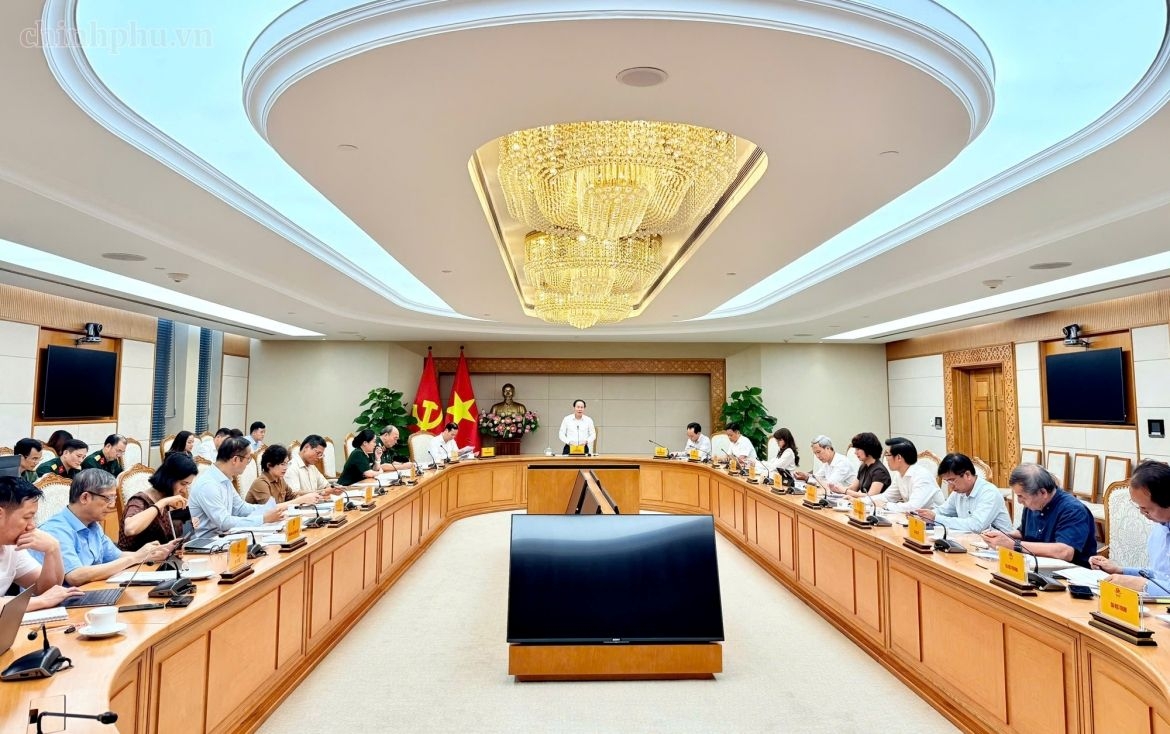
The goal is not only to build a number of world-class universities but also to improve the quality of the country's entire higher education system, Chau said at a meeting in Hanoi on August 6 to review the draft strategy.
The document should clearly define development goals, implementation pathways and policy measures while remaining flexible enough to respond to rapid advances in science, technology and changing labour market demands, he added.
According to the Ministry of Education and Training, the draft strategy has incorporated feedback from 11 ministries and agencies as well as 16 higher education institutions. Comments focused on university governance, digital transformation, artificial intelligence, internationalisation, financial mechanisms, research excellence and improving the global competitiveness of Vietnam's higher education sector.
The strategy aims to build a modern and internationally competitive higher education system capable of supporting the country's rapid and sustainable development. By 2045, Vietnam is to achieve an advanced higher education system by Asian standards, with several research universities reaching world-class status and selected science and technology fields attaining international competitiveness.
A roadmap for higher education
The Deputy PM said the strategy should function as a national development roadmap rather than a collection of policy orientations.
He stressed that the priority is not simply to establish more universities or internationally recognised academic programmes, but to improve quality across the entire higher education system and create a stronger foundation for developing high-quality human resources.
He also called for a shift from developing individual universities to building an integrated national higher education ecosystem in which universities, research institutes, businesses, localities, labour markets and international partners work together in education, research and innovation.
He added that development should be balanced between elite and mass higher education, as well as between public and private institutions.
Raising quality across the entire system
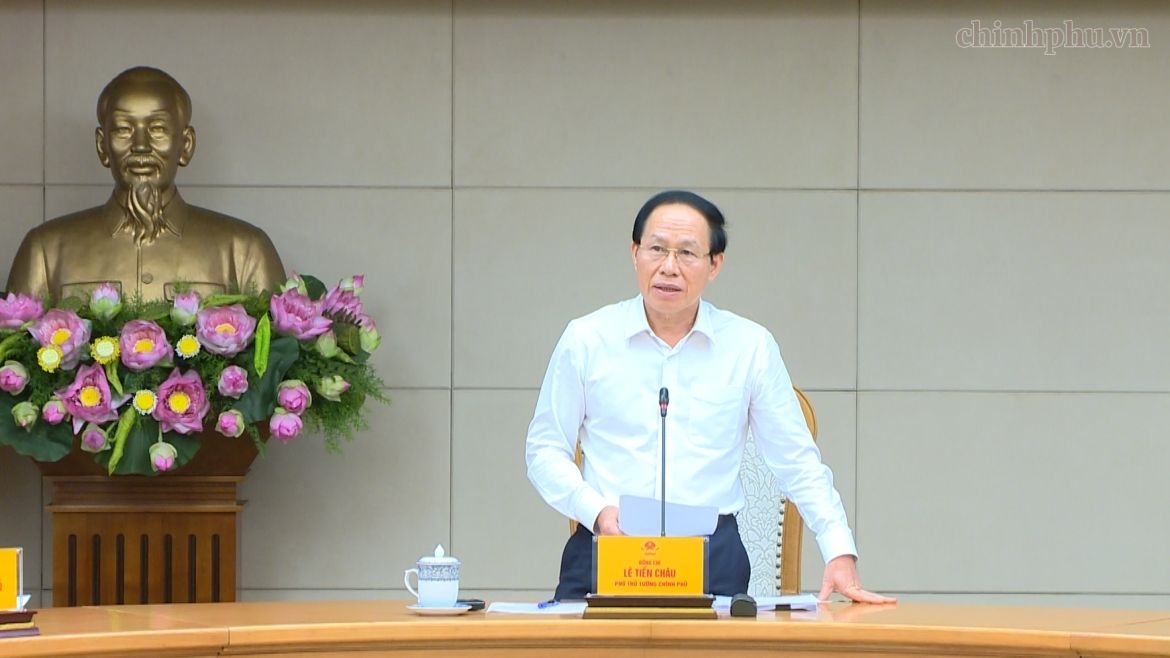
The Deputy PM instructed the Ministry of Education and Training to review all development targets for 2030 and 2035, particularly those relating to student enrolment, STEM education, doctoral training and the proportion of lecturers holding doctoral degrees.
He also called for a performance evaluation framework tailored to different categories of higher education institutions. Accreditation results and graduate outcome data should serve as key benchmarks for maintaining academic programmes, classifying universities, assigning responsibilities and allocating government support.
According to the Deputy Prime Minister, public support should be allocated transparently and based on educational quality, research performance and practical contributions, helping Vietnamese universities strengthen their positions in international rankings.
He also assigned the Ministry of Education and Training to develop a national database on labour demand, employment and graduate income to better align enrolment and academic programmes with workforce needs.
The ministry was also tasked with finalising a plan to reorganise higher education and vocational institutions by consolidating institutions with similar strengths into larger education and research centres, while safeguarding students' interests and addressing personnel, financial and asset-related issues during restructuring.
Expanding digital transformation and global integration
The Deputy Prime Minister emphasised that artificial intelligence should become more than a teaching aid, serving instead as a driving force for comprehensive reforms in curricula, teaching methods, research, assessment and university governance.
He instructed the ministry to complete national digital platforms for higher education governance and smart education, while working with the Ministry of Science and Technology to develop indicators measuring digital transformation, data utilisation and AI applications across universities.
On financing, Chau called for greater investment in basic research, core technologies, strategic industries, high-quality human resources and institutions serving disadvantaged areas.
He also urged authorities to improve tuition policies linked to educational quality, expand student loan programmes and provide stronger support for students pursuing basic sciences and strategic technologies.
The Deputy PM suggested that the strategy should further promote internationalisation by expanding English-medium programmes, attracting foreign lecturers, researchers and students, strengthening research partnerships, increasing student exchanges and credit recognition, and encouraging reputable overseas universities to develop academic programmes in Vietnam.
Education reform needs better assessment, not a new exam model
VOV.VN - Irregularities uncovered in Vietnam’s recent 2026 high school graduation exam have renewed debate over the country’s national examination system, but many education experts argue that the priority should be building a modern, transparent assessment system rather than replacing the current exam model.