Broadening Vietnam-France cooperation space

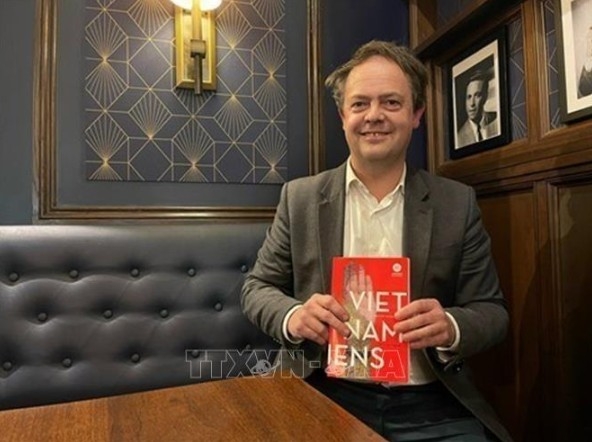
VOV.VN - Amid profound shifts in the balance of power in Asia, Vietnam is seeking equilibrium to bolster its strategic autonomy while diversifying relations with major partners, among which the Comprehensive Strategic Partnership with France opens up new spaces for future-oriented cooperation, according to Dr. Benoît de Tréglodé.
(Photo: VNA)
Speaking to the press in Paris regarding Vietnam's standing in Southeast Asia and the Indo-Pacific, as well as the prospects of Vietnam-France relations during General Secretary of the Communist Party of Vietnam Central Committee and President To Lam's official visit, Dr. Benoît de Tréglodé, Director (Africa - Asia - Middle East) at the Institute of Strategic Research (IRSEM) under the French Ministry of Armed Forces, pointed out that Vietnam's strategic choices are not confined within the framework of superpower competition.
According to him, Vietnam's strategy is based on a cautious awareness of geographical constraints and a strong need for independence. Over the years, Vietnam has strengthened ties with the world's leading economic powers. The elevation of Vietnam-France relations to a Comprehensive Strategic Partnership must be viewed within this context, reflecting Vietnam's determination to diversify its strategy.
Dr. Benoît de Tréglodé observed that with a pragmatic approach over the past 30 years, Vietnam has strongly reoriented toward Asia, focusing its priorities on the region and economies critical to Asian development momentum, such as China, the Republic of Korea (RoK), Singapore, and Japan.
The Association of Southeast Asian Nations (ASEAN) serves as the cornerstone of Vietnam's economic re-engagement with Asia, as this bloc of some 680 million people is currently the world's fifth-largest economy.
Concurrently, Vietnam has built an extensive network of political and strategic partnerships on the international arena.
According to the French expert, amid Vietnam's expanding network of partners, France's position in economic relations with Vietnam is facing growing competition. As the number of partners increases, cooperation opportunities are broadening for more parties. He noted that this reality requires both countries to further consolidate and deepen their economic relations, thereby creating a favorable foundation for bilateral political and strategic cooperation.
Nevertheless, Dr. Benoît de Tréglodé assessed that France remains an important partner for Vietnam thanks to its status as a permanent member of the United Nations Security Council and its policy of "strategic autonomy," which provides additional leeway for Vietnam to balance relations with major powers. Conversely, Vietnam holds a special position in Asia for France due to historical ties, alongside Paris's economic and geopolitical interests within the framework of the Indo-Pacific strategy.
Turning to the prospects of defence and security cooperation, the IRSEM expert said that while this is a pillar of the Vietnam-France Comprehensive Strategic Partnership, defence cooperation between the two countries is relatively modest in practice, leaving ample room for enhancement.
France was the first Western nation to establish defence relations with Vietnam in 1991 by reappointing a defense attaché to the country. Since then, Paris-Hanoi ties have primarily focused on military medicine, French language training for Vietnamese officers, training Vietnamese units to participate in United Nations peacekeeping operations, and defence diplomacy exchanges, including French naval port calls in Vietnam and strategic dialogues between the two defence ministries.
According to Dr. Benoît de Tréglodé, the current defence relationship between the two countries remains largely ceremonial and falls well short of operational cooperation. While the Comprehensive Strategic Partnership framework has set the goal of expanding cooperation into the defence industry, progress in this area has yet to match its potential.
Meanwhile, Vietnam's diversification of arms suppliers in recent years is opening up new avenues for both nations to step up exchanges and develop more substantive forms of cooperation in areas of great importance to both sides.
The French expert stated that one of the issues both countries must overcome soon is shifting the focus toward Vietnam's future strategic challenges in Asia.
Dr. Benoît de Tréglodé suggested that the future of the Vietnam-France strategic relationship needs to focus more on consultations regarding major global issues such as multilateralism and the environment, while concretely intensifying economic and industrial exchanges.
Defence is also a critical area for bilateral ties moving forward. In his view, Vietnam and France must build a future-oriented relationship based on mutual benefit, with stronger economic and industry cooperation serving as an indispensable pillar.
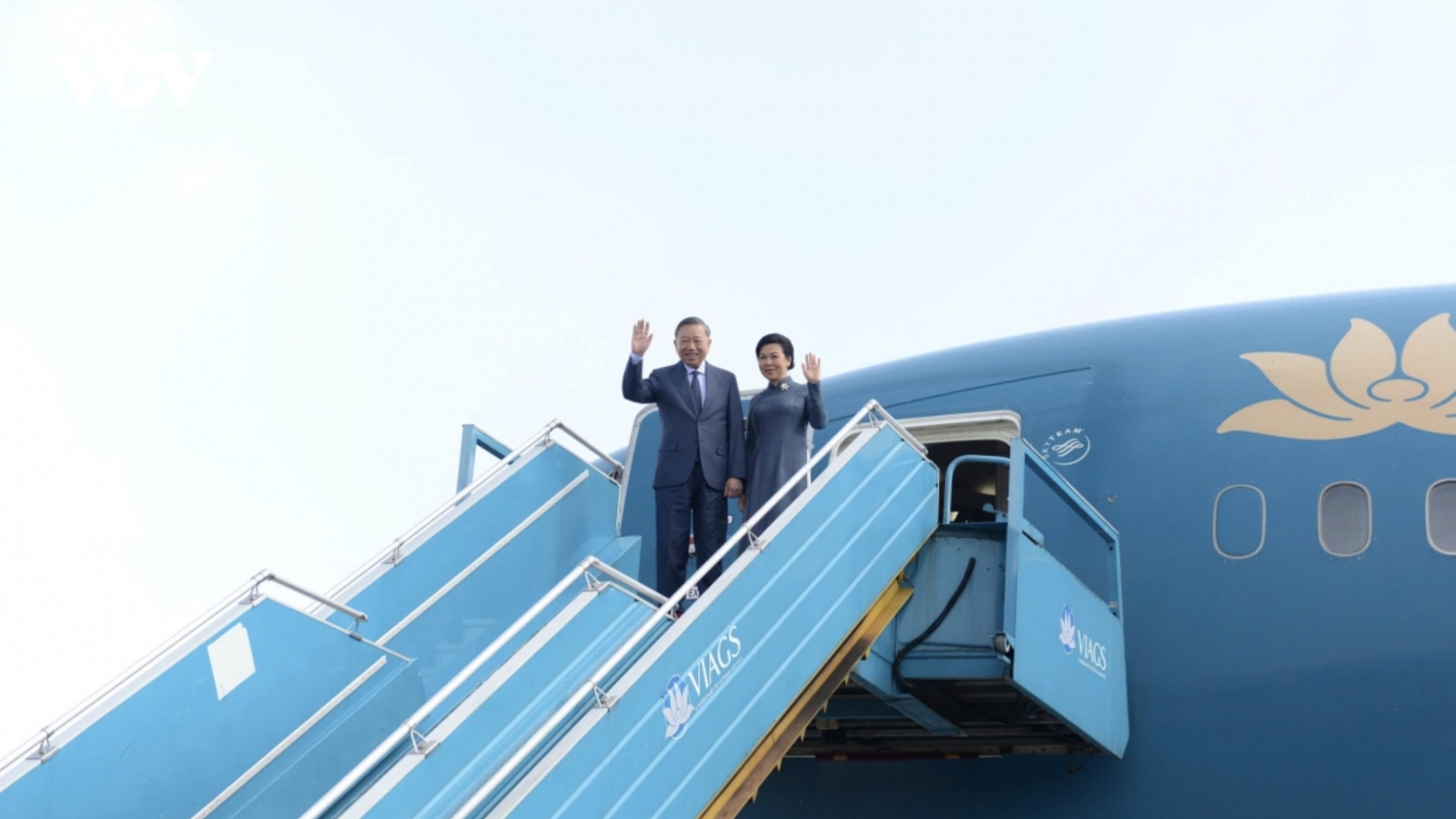
Top leader, spouse depart for visits to Russia and France
VOV.VN - General Secretary of the Communist Party of Vietnam Central Committee and President To Lam, his spouse, and a high-ranking Vietnamese delegation left Hanoi on September 7 for a state visit to the Russian Federation, an official visit to the French Republic, and to attend the International Space Summit in Paris from September 7 to 12.
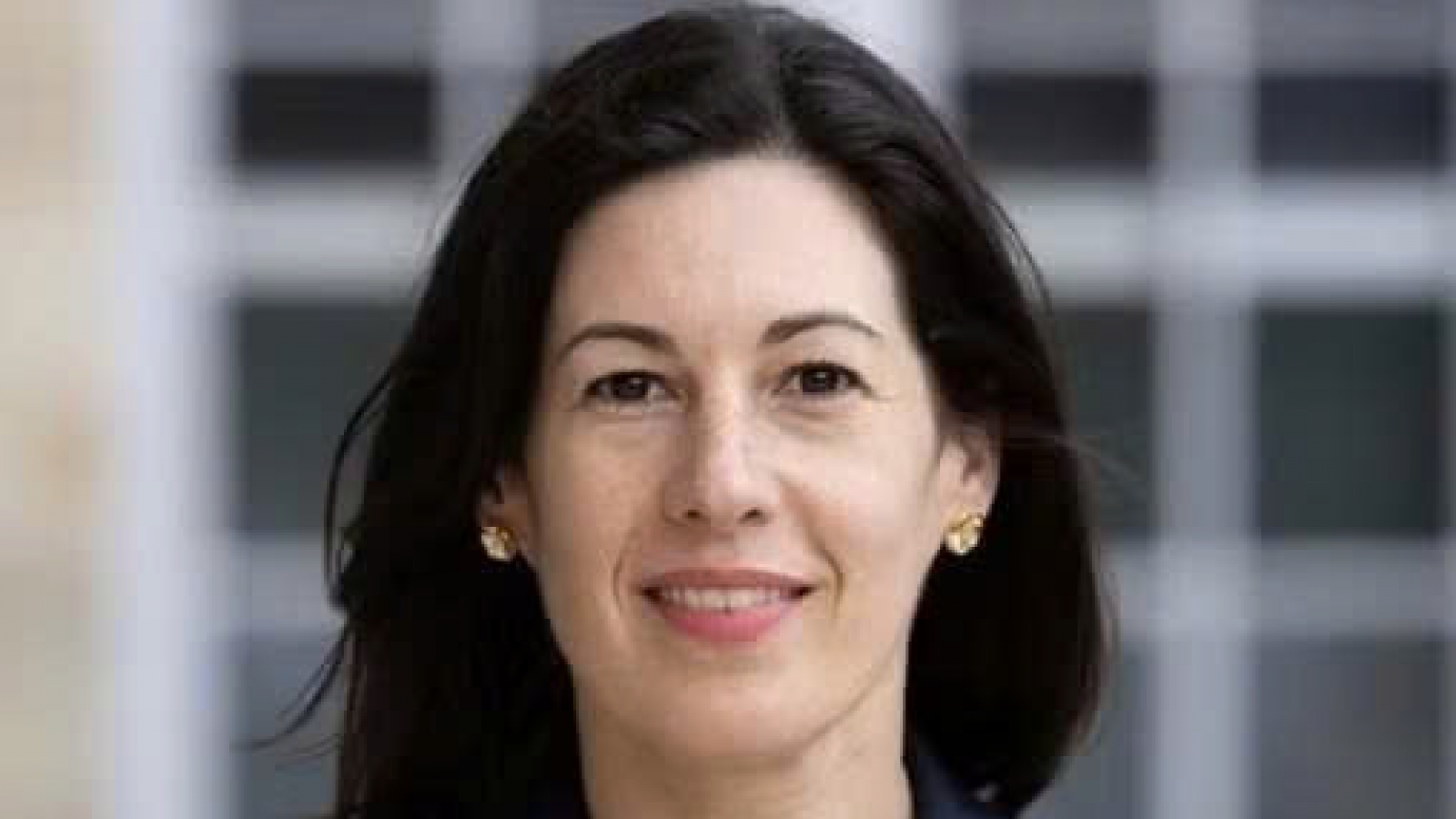
France seeks to promote strategic cooperation with Vietnam: official
Paris views the upcoming official visit by General Secretary of the Communist Party of Vietnam Central Committee and President To Lam as an opportunity to strongly boost relations with a key Southeast Asian partner and to accelerate the implementation of the bilateral Comprehensive Strategic Partnership.