


Despite global uncertainty and severe natural disasters, 2025 marked a transformative year for Vietnam, defined by sweeping governance reforms, robust economic growth, major infrastructure breakthroughs and expanding social welfare.
1. Comprehensive administrative reform and launch of a two-tier local government system
Vietnam officially began operating a two-tier local government system nationwide on July 1, 2025. Following large-scale administrative restructuring and mergers, the number of provinces and centrally governed cities was reduced from 63 to 34, alongside 3,321 communes, wards and special administrative zones.

Party General Secretary To Lam described the reorganisation as a historic and strategic decision, marking a new phase in the reform of the state administrative apparatus and political system. The reform aims to build a streamlined, effective and efficient governance system that is closer to the people and better serves public interests.
Implemented under the Party Central Committee’s Resolution No. 18, the restructuring significantly reduced overlapping institutions at both central and local levels, cutting thousands of intermediary units. The process reflected broad political consensus and prioritised national interests over individual or sectoral concerns.
2. Seven strategic resolutions set the course for a new development phase
Between late 2024 and 2025, the Politburo issued seven strategic resolutions laying the foundation for Vietnam’s next stage of development. Among them, four are regarded as core pillars, addressing key issues such as science-technology, innovation and digital transformation (Resolution 57), international integration (Resolution 59), institutional reform (Resolution 66) and private sector development (Resolution 68). Three additional thematic resolutions focus on essential public sectors: energy, education and training, and healthcare. Together, the resolutions share a common objective of enabling fast and sustainable national development.

All Party committees and state agencies moved swiftly to translate the resolutions into concrete action plans, with clear accountability, timelines and performance benchmarks. Key elements have been incorporated into the Political Report for the upcoming 14th National Party Congress.
3. National Assembly amends the Constitution and passes landmark reforms
The National Assembly unanimously adopted amendments to the 2013 Constitution at its ninth session on June 16. The decision provided an essential legal framework for administrative restructuring, particularly for reorganising local governments and redefining the roles of mass organisations.

Throughout 2025, the legislature passed an unprecedented number of laws and resolutions, accounting for over 40% of the total legislative output of the current term. Major laws on land, public investment and local governance were revised to expand decentralisation and reduce institutional bottlenecks, reinforcing the principle that institutional reform should lead development.
4. Successful Party congresses pave the way for the 14th National Party Congress
More than 60,000 grassroots-level Party organisations successfully held congresses for the 2025–2030 term, including all 40 Party committees directly under the Party Central Committee. Preparations were thorough, processes streamlined, and post-congress leadership structures stabilised rapidly.

A notable feature was the appointment of provincial Party secretaries who are not natives of the localities they oversee, underscoring efforts to enhance objectivity, curb localism and strengthen discipline within the political system. These developments form a solid foundation for the 14th National Party Congress.
5. Highest economic growth in five years amid global uncertainty
Despite global economic volatility, trade tensions and severe natural disasters, Vietnam’s GDP growth in 2025 is estimated to exceed 8% - the highest rate in five years. Macroeconomic stability was maintained, inflation remained under control, and state budget revenues significantly surpassed targets.

Exports continued to be a key growth driver, with a positive shift toward higher value-added manufacturing. Total import–export turnover was estimated at over US$920 billion. Macroeconomic conditions remained stable, with inflation kept under control at below 4%. State budget revenue reached approximately VND2.47 quadrillion by mid-December, exceeding the annual target by more than 25% and rising sharply year on year. GDP per capita was estimated at around US$5,000, about 1.4 times higher than in 2020, placing Vietnam in the upper-middle-income group. Financial markets remained stable, while the stock market was upgraded to secondary emerging market status in 2025.
6. Expanded social welfare and early completion of housing support goals
The nationwide campaign to eliminate makeshift and substandard housing concluded well ahead of schedule, improving living conditions for hundreds of thousands of households. The government also launched the “Quang Trung Campaign,” a fast-track initiative to rebuild and repair homes damaged by natural disasters in central Vietnam. The campaign aims to complete the construction of 1,628 new houses by January 31, 2026, and to finish repairs on 34,352 damaged homes by December 31, 2025.

Breakthrough policies in education and healthcare were introduced, aiming to ensure universal access to essential services. Specifically, Vietnam aims to achieve universal access to early childhood education for children aged three to five and to raise the upper secondary school completion rate among young people to at least 85% by 2030. From the 2025–2026 academic year, tuition fees will be waived for children in public preschools and public general education schools. Construction has begun on 100 boarding inter-level schools in border communes.
From 2026, all citizens will be entitled to free periodic health check-ups, with a roadmap toward basic hospital fee exemptions covered by health insurance by 2030, ensuring universal access to essential healthcare services. These measures reflect a shift from targeted assistance toward comprehensive, service-based social welfare, reinforcing the principle of inclusive development.
7. Major breakthroughs in infrastructure development
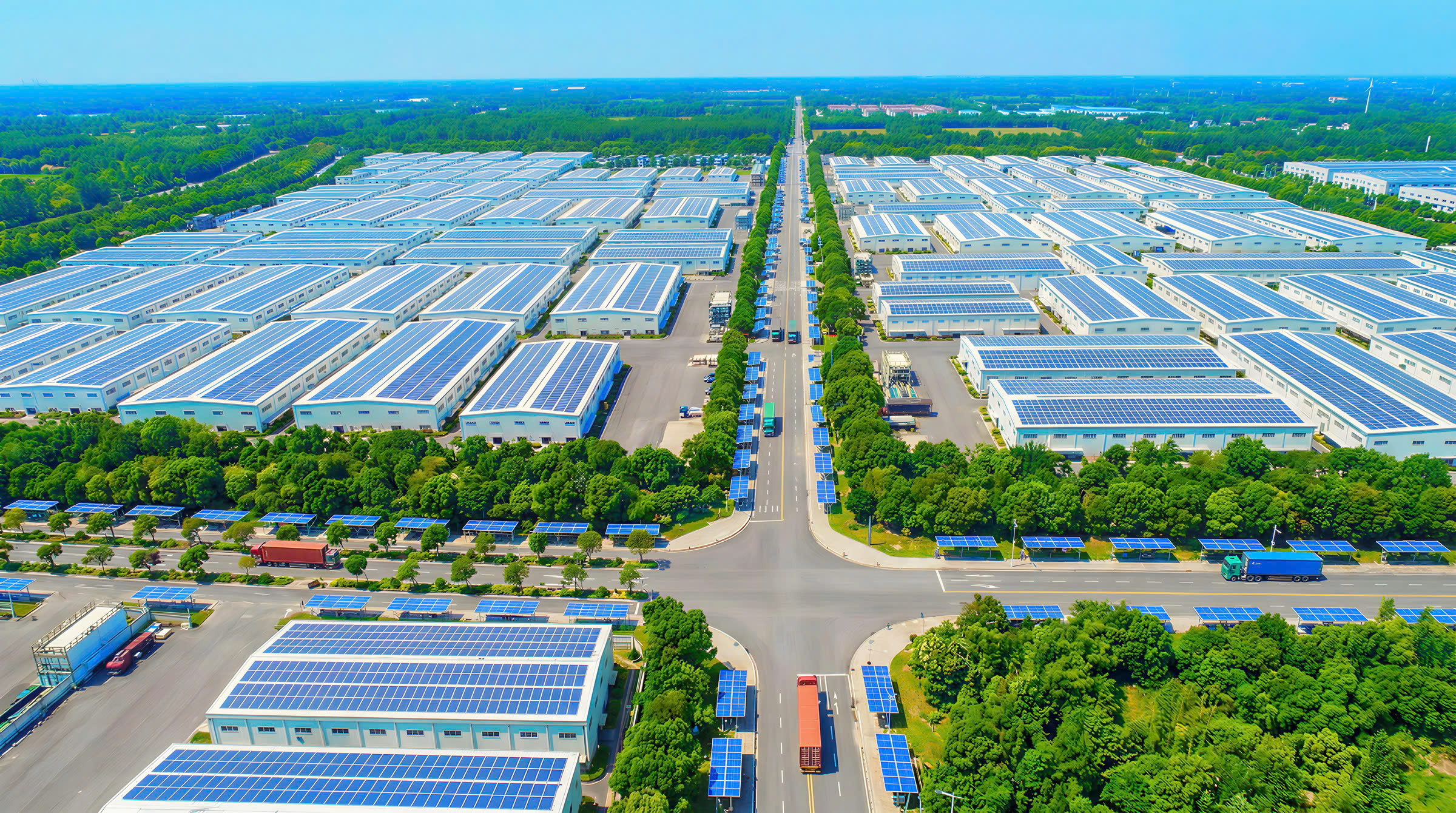
The year 2025 marked a major breakthrough in infrastructure development, laying a critical foundation for a modern and integrated national infrastructure system to support the country’s development in a new era. Following three nationwide ground-breaking and inauguration ceremonies held in conjunction with major national anniversaries and in preparation for the 14th National Party Congress, Vietnam recorded a total of 564 infrastructure projects with combined investment exceeding VND5.14 quadrillion, of which nearly 140 major projects were completed and put into operation.

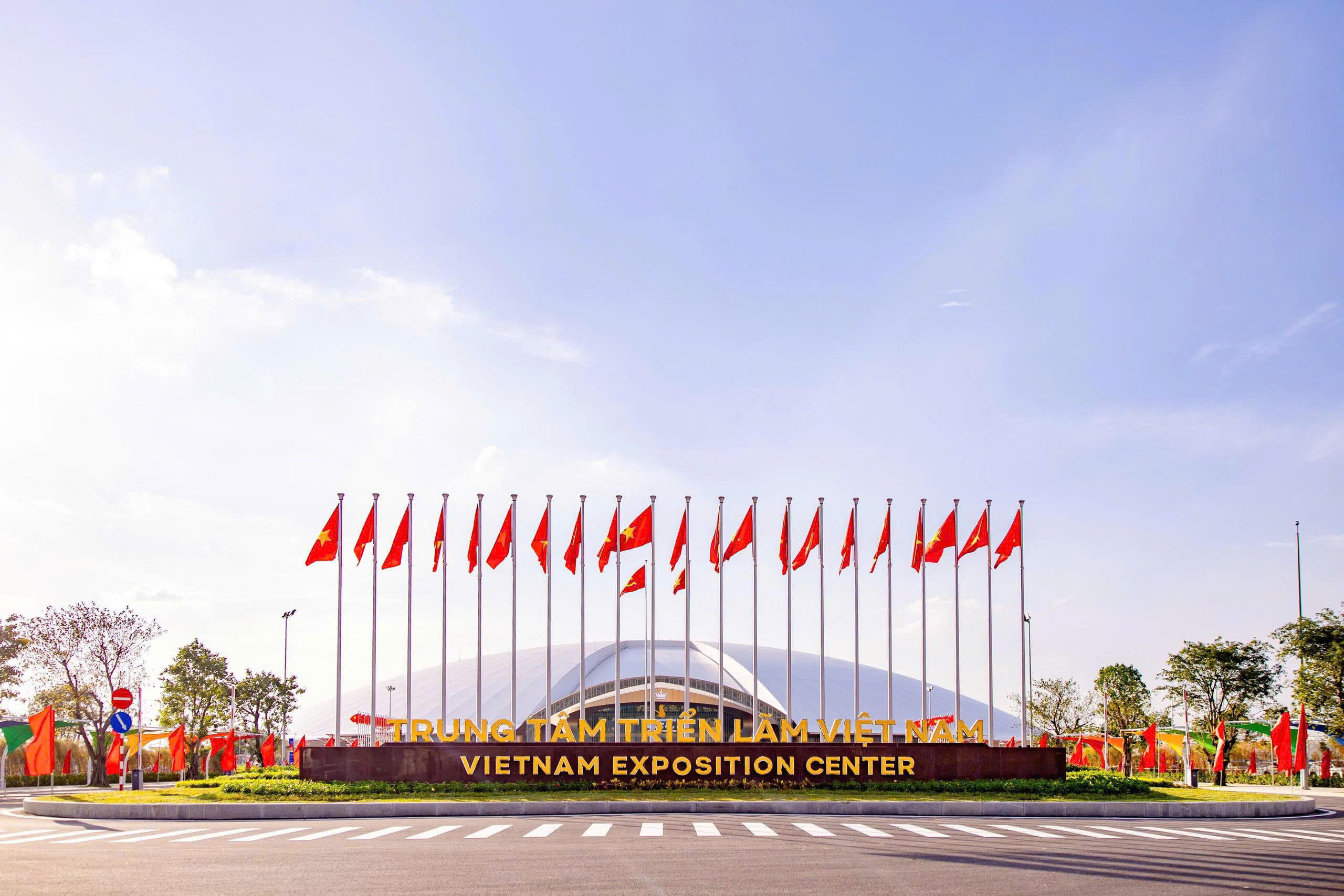
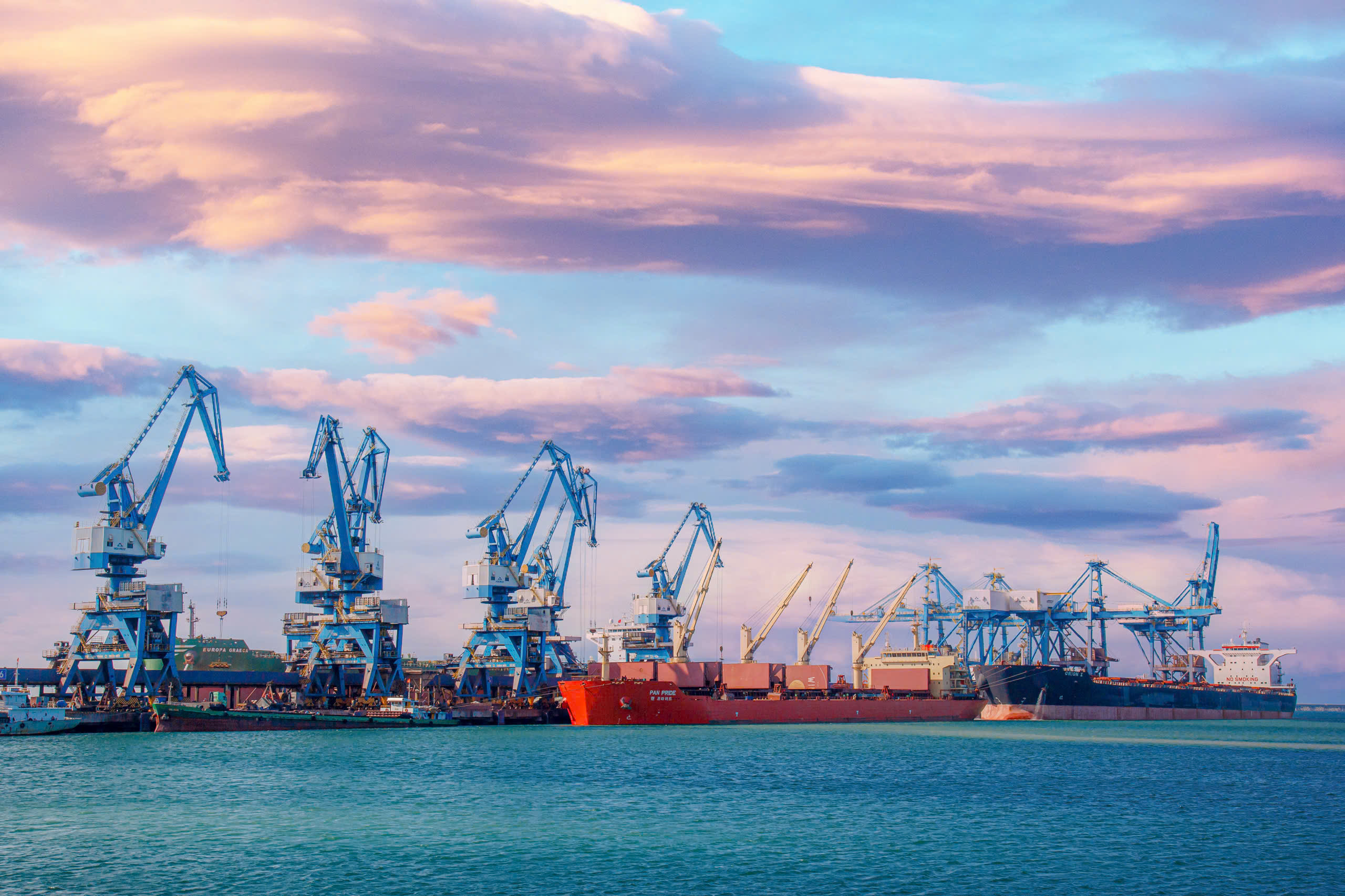
Key highlights included the inauguration and technical opening of more than 3,500 kilometers of expressways, the first commercial flight at Long Thanh International Airport, and the commissioning of the National Exposition Centre, along with major energy projects. At the same time, construction commenced on several mega-projects, including Gia Binh Airport, Hon Khoai Port, the Can Gio urban development, an Olympic sports urban complex, multiple urban railway lines, and preparatory work for the North–South high-speed railway, as well as infrastructure projects serving APEC 2027 in Phu Quoc.

8. Successful organisation of major national commemorations
A series of major commemorative events were successfully held throughout 2025 in a solemn, well-organised and secure manner. Among them, the celebrations marking the 80th anniversary of the August Revolution and National Day on September 2, as well as the 50th anniversary of the Southern Liberation and National Reunification, left an unprecedented impact.

Large-scale military parades and mass processions took place at Ba Dinh Square in Hanoi on September 2 and along Le Duan Street in Ho Chi Minh City on April 30, drawing millions of participants, including members of the armed forces and the public. Images of the parades moving through the heart of the cities conveyed powerful messages of independence, freedom, peace and friendship to the international community, while also evoking strong national pride and unity.
9. Severe natural disasters test resilience and response capacity
The year 2025 was considered as one of the most severe and abnormal years for natural disasters in Vietnam’s meteorological history, with multiple hazardous phenomena occurring frequently, intensifying and overlapping across wide areas. These included typhoons, widespread extreme rainfall, flooding, flash floods and landslides.

Statistics show a total of 15 typhoons and six tropical depressions formed over the East Sea. Extreme rainfall triggered record-breaking floods, affecting urban areas and low-lying regions nationwide, especially in the central region. So far this year, natural disasters have left 468 dead or missing and 741 injured. Nearly 4,200 houses were destroyed or swept away, while 348,834 homes were damaged or lost their roofs. Hundreds of thousands of hectares of rice and subsidiary crops were submerged, not to mention huge infrastructure damage.
Total economic losses were estimated at more than VND98.7 trillion, equivalent to around 0.7–0.8% of Vietnam’s GDP in 2025.
10. Cultural industries and sports make a strong international impression
The year 2025 marked a pivotal success for Vietnam’s cultural industries, as the entertainment market set unprecedented records in both revenue and audience numbers. A standout feature was the emergence of large-scale national concerts produced to international standards, blending traditional cultural values with modern entertainment formats. These events created powerful visual symbols and helped promote patriotism through new and engaging approaches, particularly among younger audiences.

In cinema, the industry recorded its highest box-office revenue in history, led by the film Mưa đỏ (Red Rain), which surpassed VND714 billion in ticket sales, alongside several other films achieving revenues in the hundreds of billions of dong.
On November 14, 2025, Prime Minister Pham Minh Chinh approved the Strategy for the Development of Vietnam’s Cultural Industries through 2030, with a vision to 2045. The strategy targets average annual growth of around 10% by 2030, with cultural industries contributing 7% of national GDP. By 2045, Vietnam aims to become a leading cultural and entertainment industry hub in Asia, strengthening its position on the global cultural industry map.
