Vietnam to develop new domestic market strategy for 2026–2030 growth goals

VOV.VN - The government has instructed the Ministry of Industry and Trade to develop a new long-term strategy for domestic market development as the country seeks to strengthen economic resilience, stimulate consumption and support growth targets for the 2026–2030 period.
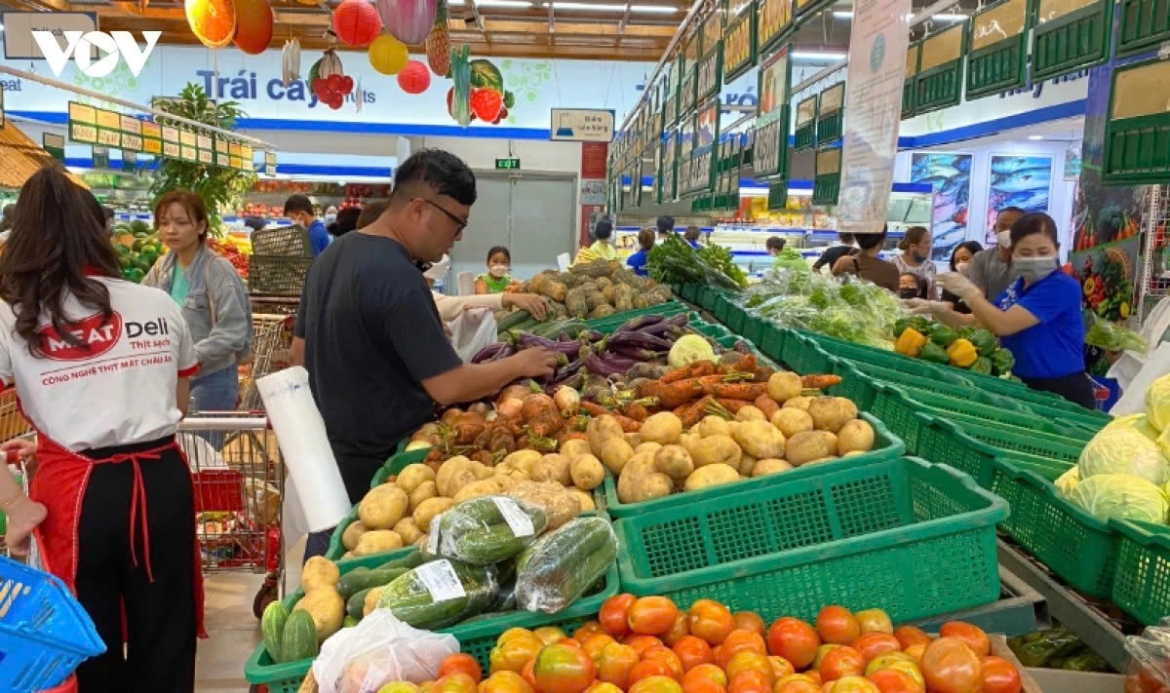
Under a government notice issued following a recent meeting on domestic market development solutions, Deputy Prime Minister Pham Gia Tuc instructed the Ministry of Industry and Trade to urgently draft the strategy with a long-term vision and an innovation-driven approach centred on both citizens and businesses. The strategy is expected to be submitted for approval in December 2026.
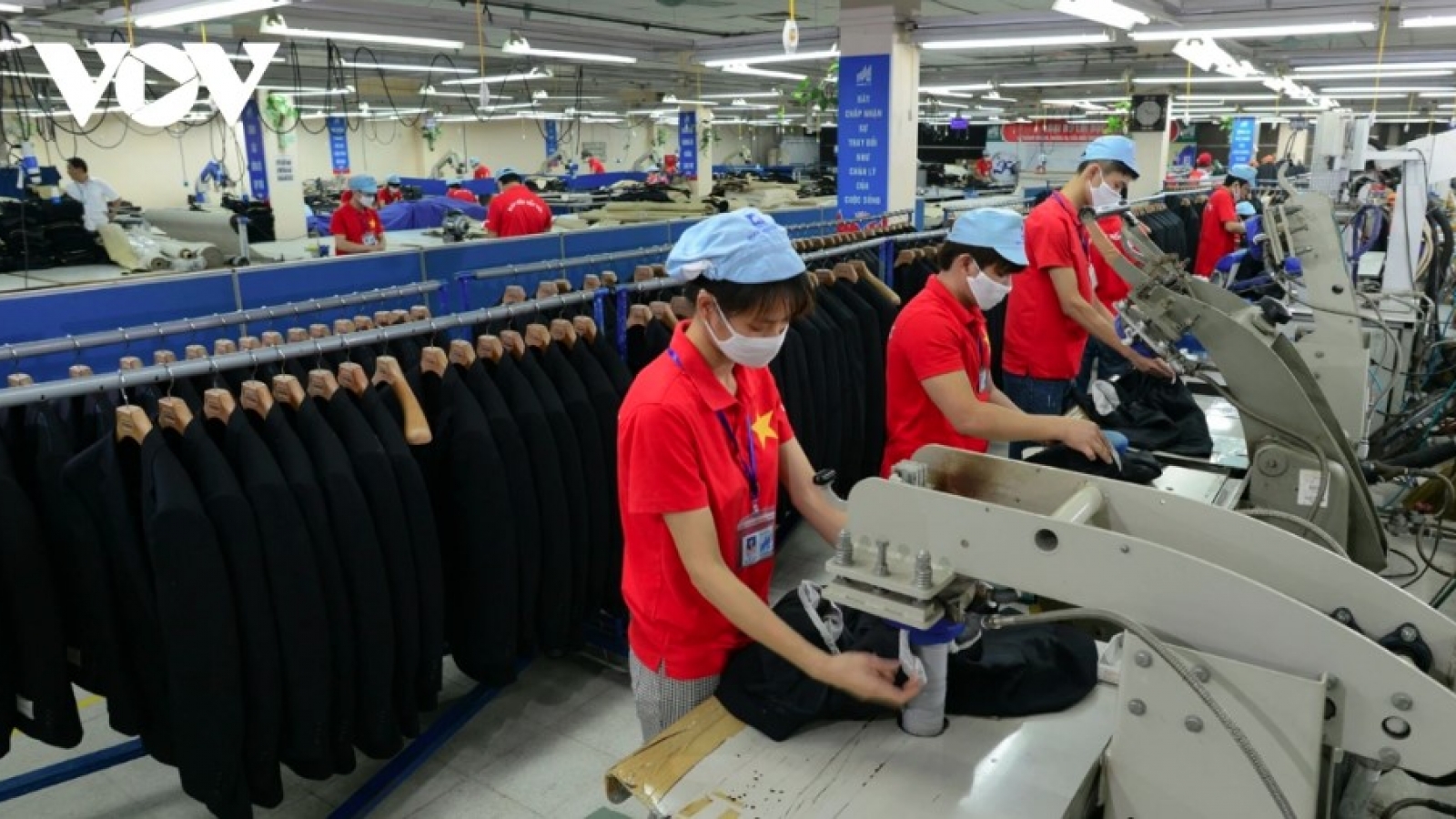
According to the government, the domestic market plays a particularly important role as a key driver of economic growth and a foundation for Vietnam’s goal of achieving double-digit growth during the 2026–2030 period. The new strategy is intended to create fresh momentum for production, consumption and the overall competitiveness of the economy amid rising development demands.
Vietnam has set several economic targets for the 2026–2030 period, including annual growth of 14% to 15% in retail sales and consumer service revenue, e-commerce growth of 23% to 25%, and a reduction in logistics costs to around 12% to 15% of GDP.
To achieve these goals, ministries, agencies and localities were instructed to continue reviewing and amending overlapping or outdated regulations, accelerate decentralisation and simplify unnecessary administrative procedures and business conditions in order to reduce costs for businesses and consumers.
They were also directed to implement coordinated measures to stimulate domestic consumption, effectively carry out the government’s Resolution No. 88 on domestic market development and expand large-scale promotional and consumer demand stimulus programmes.
The Ministry of Finance and the State Bank of Vietnam were assigned to coordinate appropriate fiscal and monetary measures aimed at supporting purchasing power, encouraging sustainable consumption and assisting business activities.
In the tourism industry, the Ministry of Culture, Sports and Tourism was instructed to strengthen links between tourism, trade, culture and services while promoting cultural heritage and cultural products as drivers of economic development.
The government also emphasised the need to further develop distribution systems, retail infrastructure and domestic business competitiveness.
Logistics was identified as the “backbone” infrastructure of domestic trade, requiring stronger multimodal transport connectivity to help lower distribution and transportation costs.
Notably, e-commerce and digital transformation continue to be viewed as major drivers of future growth.
The designated agencies were required to fully implement the 2025 E-Commerce Law, improve regulations governing cross-border e-commerce and strengthen integration between e-commerce platforms, logistics services, digital payments and traditional distribution systems.
The government also called for stronger support for small and medium-sized enterprises, household businesses, cooperatives and farmers to participate more deeply in e-commerce ecosystems.
Regarding essential goods markets, the Ministry of Industry and Trade was tasked with ensuring supply-demand balance, particularly for petroleum products, while improving market management mechanisms in a transparent and market-oriented manner under state supervision.
Alongside market development efforts, the government also asked ministries and localities to intensify the fight against counterfeit goods, smuggling, trade fraud and intellectual property violations in both traditional and digital environments.
The designated agencies were encouraged to expand the use of digital technologies, artificial intelligence and traceability systems to improve monitoring and enforcement effectiveness.
Local governments were additionally encouraged to study and develop the night-time economy in a modern and sustainable direction linked to trade, tourism, services and culture, while ensuring public order and quality of life.
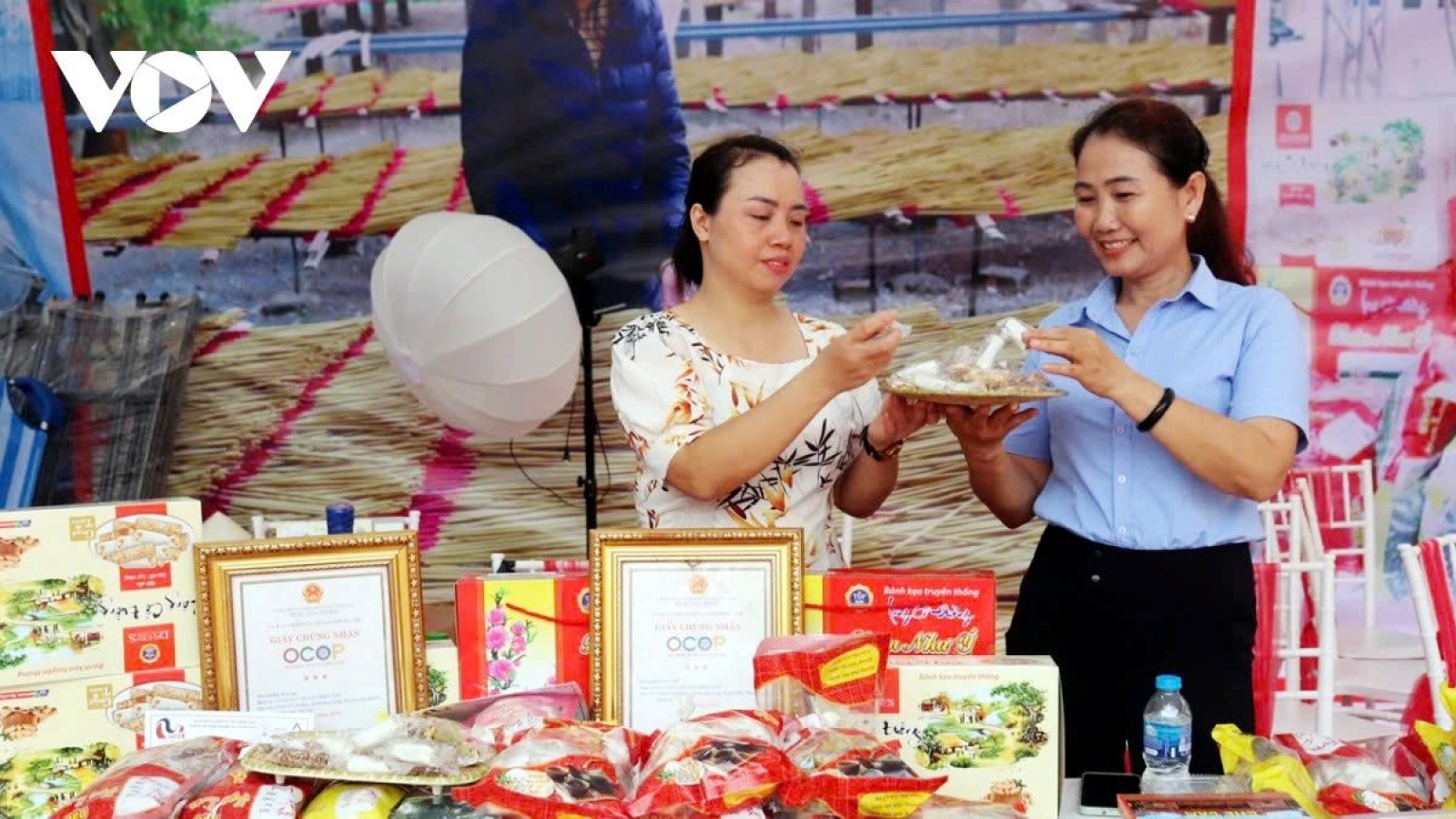
Vietnam OCOP products build domestic strength, move into global markets
VOV.VN - After more than seven years of implementation, Vietnam’s One Commune One Product (OCOP) programme has not only reshaped the rural goods market at home but is also gradually bringing local specialties to international markets.