Vietnam standardises copyright royalty rules for music played in commercial venues

VOV.VN - Vietnam has introduced a clearer legal framework for determining copyright royalties when music is used in commercial venues, with new regulations taking effect on July 1 to standardise licensing, royalty collection and distribution without creating additional payment obligations.
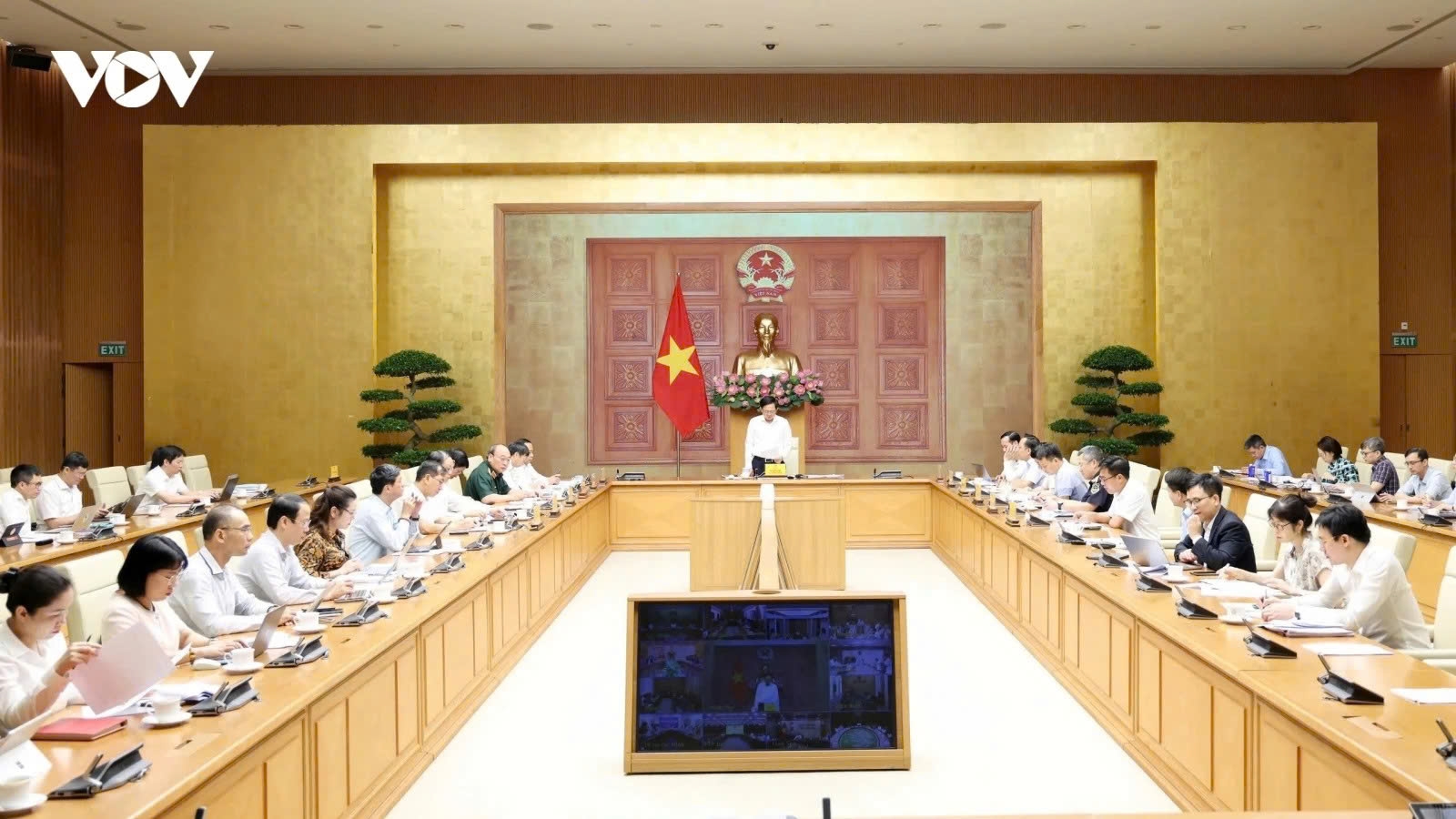
The new framework is introduced under Government Decree No. 134 issued in 2026, which amends and supplements provisions of Government Decree No. 17 issued in 2023 implementing the Law on Intellectual Property on copyright and related rights.
One of the decree’s key additions is a standardised royalty schedule, together with principles for determining royalty payments and mechanisms governing the collection and distribution of royalties when copyrighted works, sound recordings and video recordings are used for commercial purposes.
Commercial use of music subject to copyright royalties
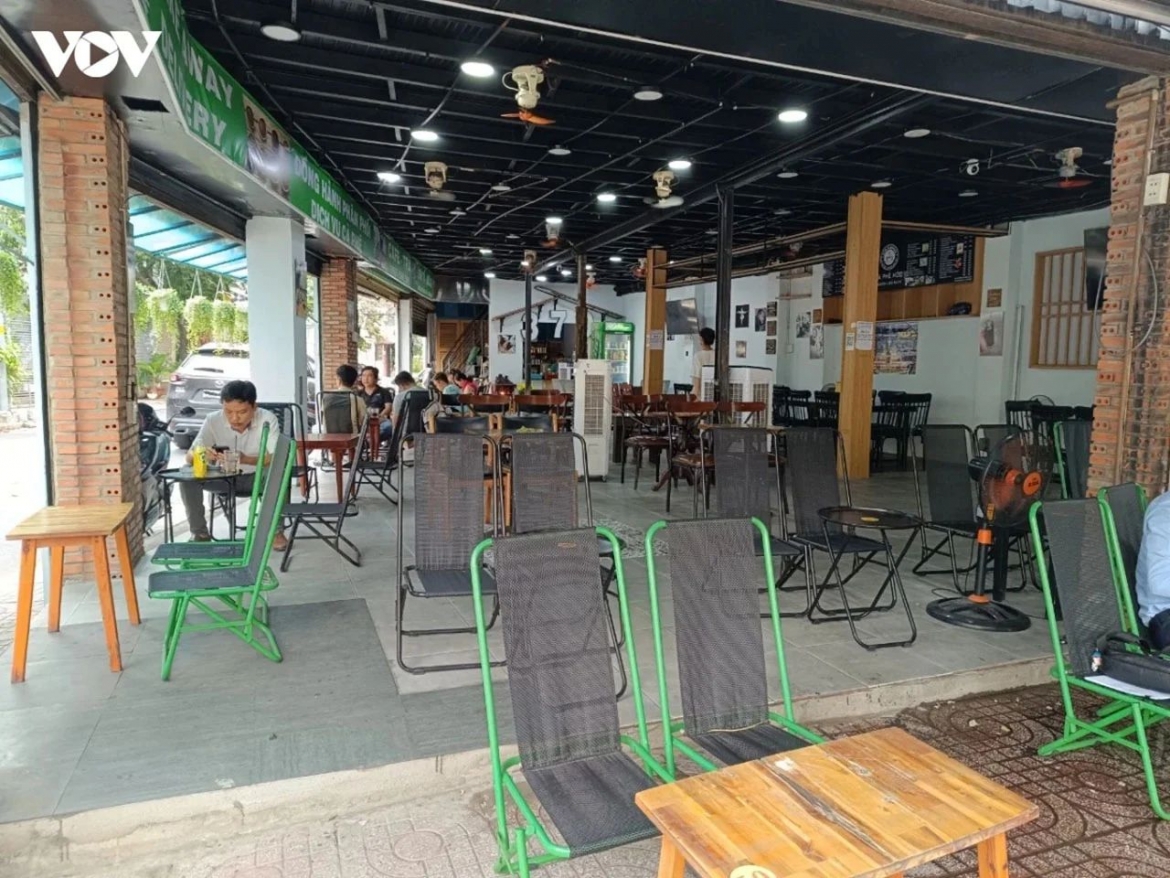
Under the Law on Intellectual Property, playing music in businesses such as cafés, restaurants, hotels, shopping malls and entertainment venues constitutes commercial use of copyrighted works.
As music contributes to the customer experience and enhances the commercial value of a business, copyright holders and owners of related rights are legally entitled to receive royalties for such use.
Businesses are therefore required to obtain authorisation and pay royalties either directly to rights holders or through collective management organisations representing them.
The new decree does not impose any additional legal obligations. Instead, it establishes a more consistent legal framework for determining royalty rates, alongside standardising licensing, royalty collection and distribution nationwide.
Business owners express mixed reactions
Phan Thị Loan, owner of Son Ha Diem Henj Café in Thanh Hoa province's Cong Chinh commune, said she had not yet received detailed guidance on the new regulation.
“I haven't been informed about these new rules, and no authority has provided guidance for small business owners. We already fulfill our tax obligations and pay subscription fees for music streaming platforms. In my view, royalties should apply only to copyrighted or premium music rather than services that businesses already pay to access,” she explained.
Nguyen Thi Hoa, owner of Cherry Café in the same locality, said she had already begun reviewing the regulation and considering ways to adjust operating costs.
“If businesses have to pay an additional royalty for playing music, I'll consider switching to more suitable platforms or adjusting how music is used in the café to better manage expenses,” she told VOV.
Greater transparency in copyright protection
Intellectual property experts agree that paying royalties for the commercial use of music is common international practice and aligns with global copyright standards.
Music not only enhances customers’ experience but also creates economic value for businesses. When copyrighted works are used for commercial gain, authors, composers, record producers and other rights holders should receive appropriate remuneration.
The introduction of standardised royalty schedules and management mechanisms is expected to improve transparency in licensing, royalty collection and royalty distribution while strengthening protection for creators’ rights, promoting respect for intellectual property and supporting Vietnam’s international commitments.
Experts also note that effective implementation will require stronger communication and guidance from relevant authorities so that business owners understand the regulation as an improvement in copyright enforcement rather than the introduction of a new fee.

Politburo places intellectual property at heart of national development strategy
VOV.VN - Vietnam’s Politburo has identified intellectual property as a key component of the national development strategy, as well as strategies for science, technology and innovation, strategic industries and high-quality human resources development.