Vietnam-Germany high-tech agriculture cooperation: Moving toward substantive cooperation

VOV.VN - As Vietnam accelerates its agricultural transformation toward modernization, green growth, and sustainability, German experts note huge potential for high-tech agricultural cooperation between the two nations.
To turn this potential into concrete projects, both sides must move away from simply exporting technology, shifting instead toward a model of "joint transformation" guided by the principle of "practicality for practical results."
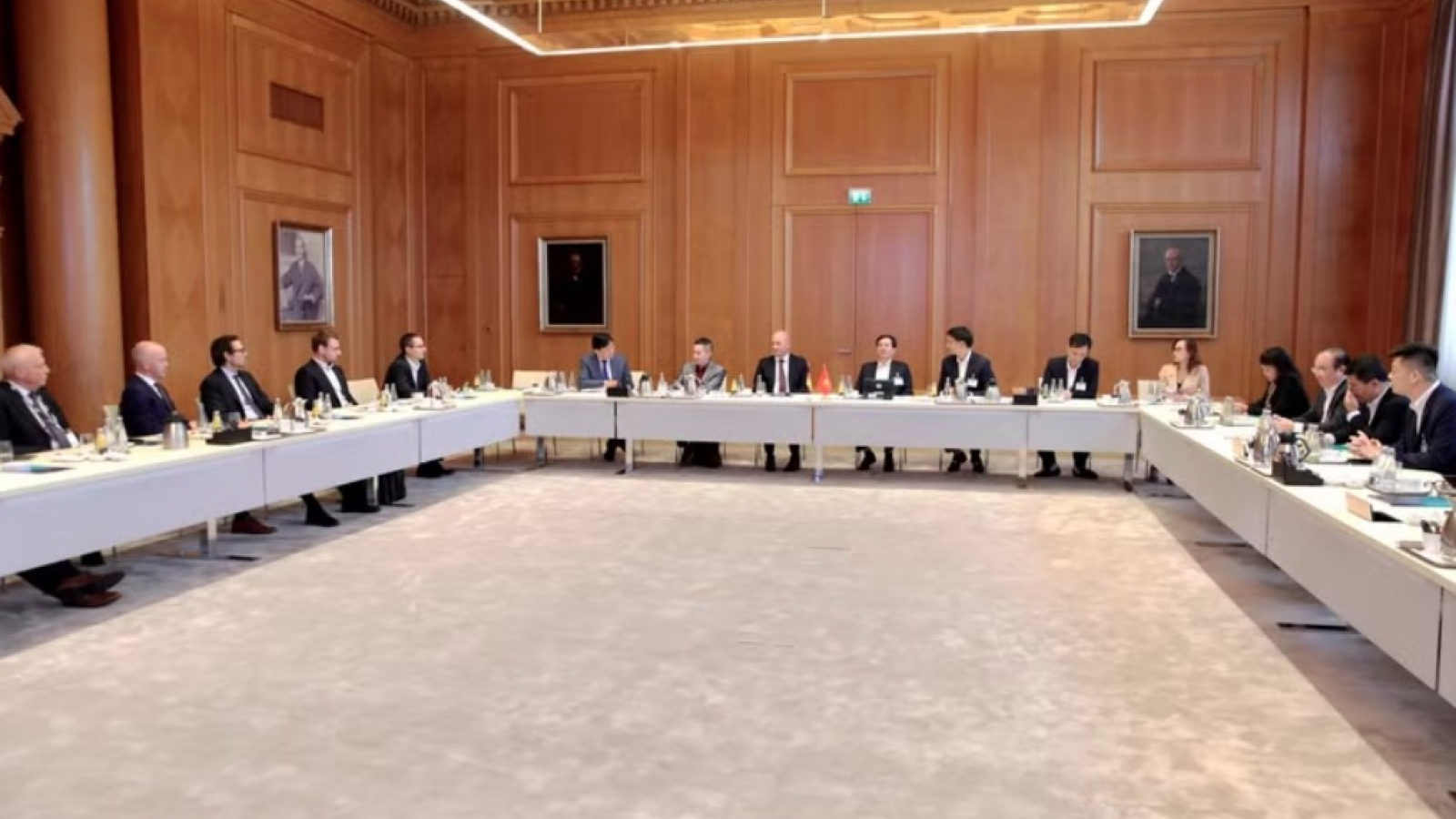
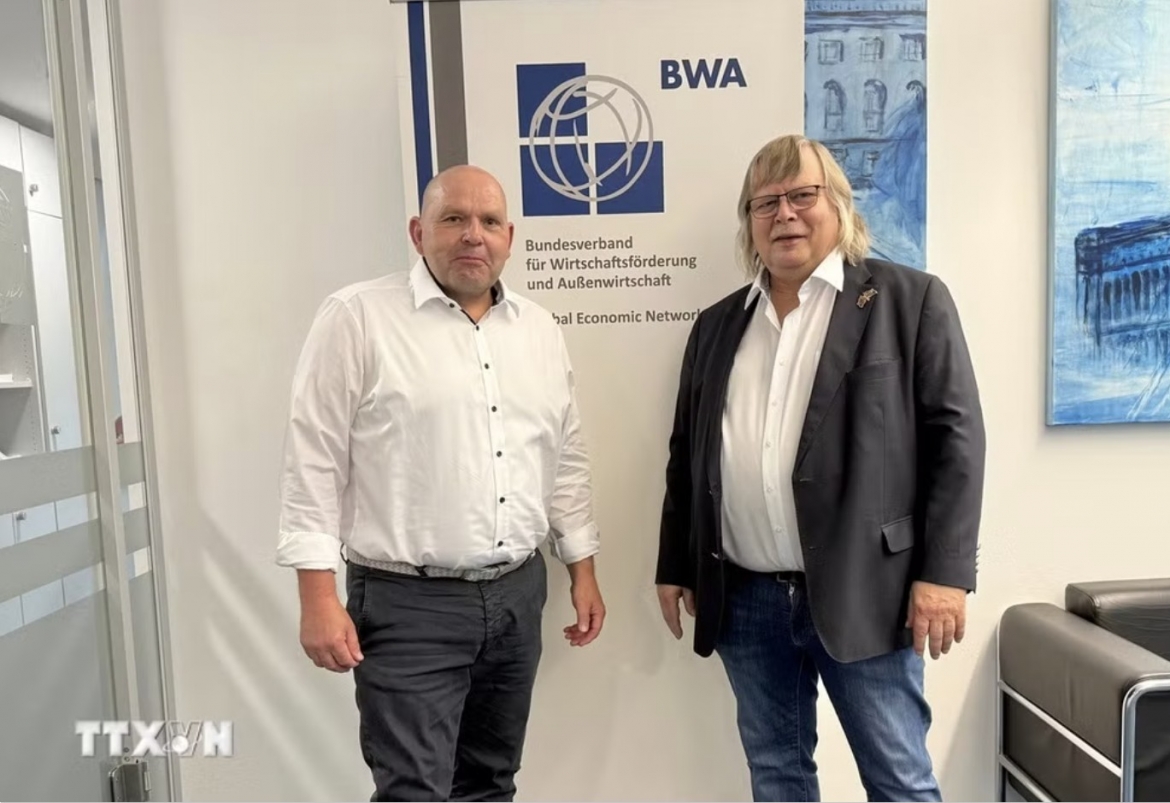
Speaking in Berlin, Heinrich Gerd-Witte, Advisory Board Member and Chairman of the Committee on Agriculture and Food at the German Federal Association for Economic Development and Foreign Trade (BWA), and Hans-Joachim Radtke, BWA Trade Representative for Vietnam and Chairman of the German-Vietnamese Economic and Innovation Forum, assessed that Vietnam is heading in the right direction, as reflected in new decrees and Power Development Plan VIII, and maintains a solid agricultural foundation while facing growing pressures from climate change and food safety demands.
While Germany excels in agricultural technologies such as AI-supported systems, automated machinery, digitalization, circular economy models, and climate adaptation solutions, bilateral cooperation still confronts several hurdles. Key challenges include mismatched financial expectations with Vietnamese partners seeking investors, while German counterparts require financial viability to secure bank loans, budget constraints, technological disparities, and local workers' concerns regarding job displacement.
To resolve these barriers, the BWA experts recommend shifting toward thorough field surveys, technology localization before wide-scale deployment, and leveraging bilingual intermediaries to bridge cultural and operational gaps.
Both sides hold substantial room for cooperation across priority fields such as smart rice cultivation, precision agriculture, sustainable aquaculture, water management, circular systems, AI-driven applications, and urban agriculture in Hanoi and Ho Chi Minh City. The ultimate objective is to co-develop tailored solutions that deliver long-term socio-economic and environmental benefits.
Germany, Vietnam expand investment links and high-tech cooperation
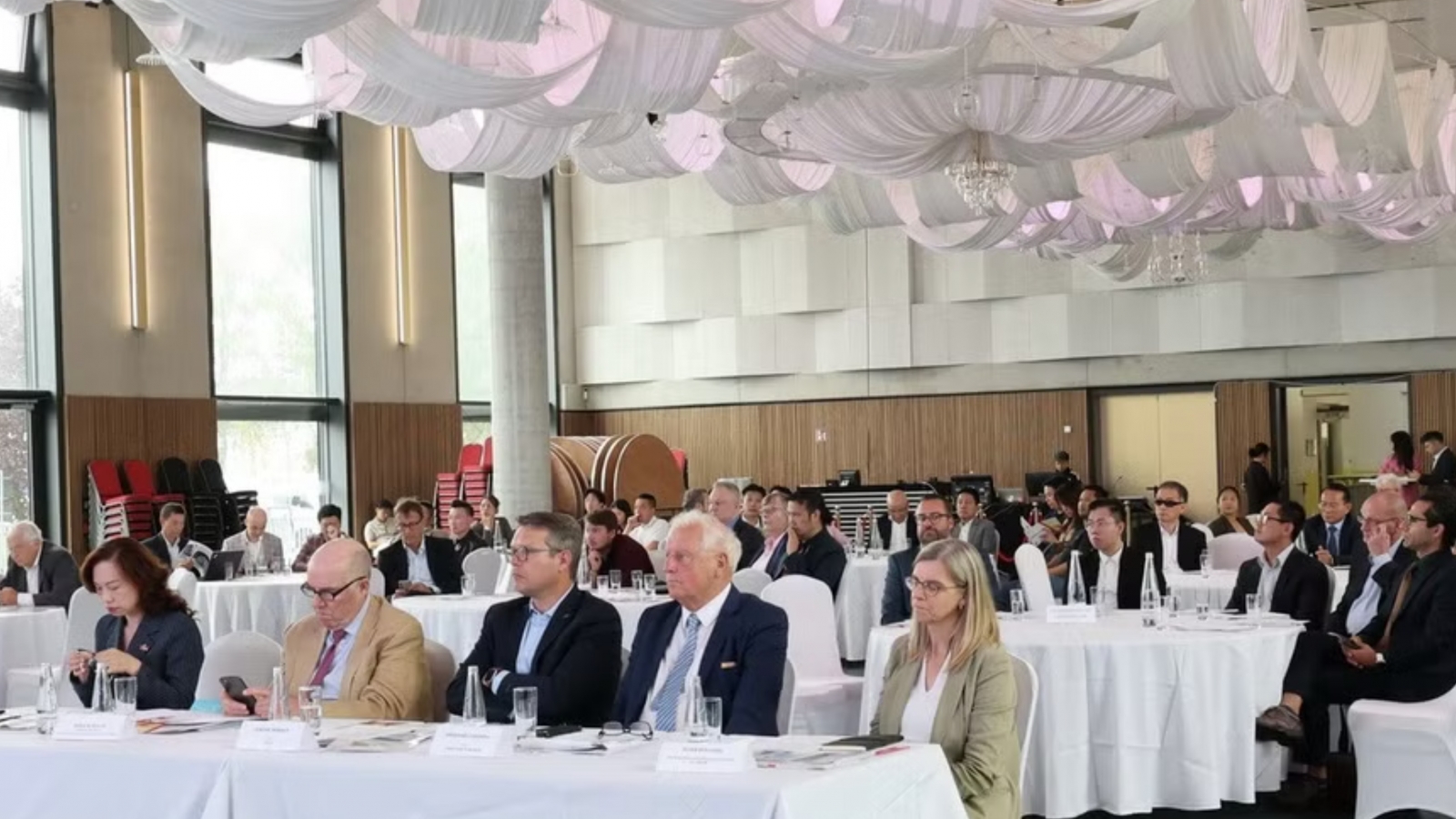
VOV.VN - The Da Nang High-Tech Park and Industrial Zones Authority (DSEZA), in coordination with the Vietnamese Embassy in Germany, held an investment networking event in Berlin on July 6 to introduce Da Nang's investment environment, strengthen business connectivity and bilateral economic cooperation between Vietnam and Germany.
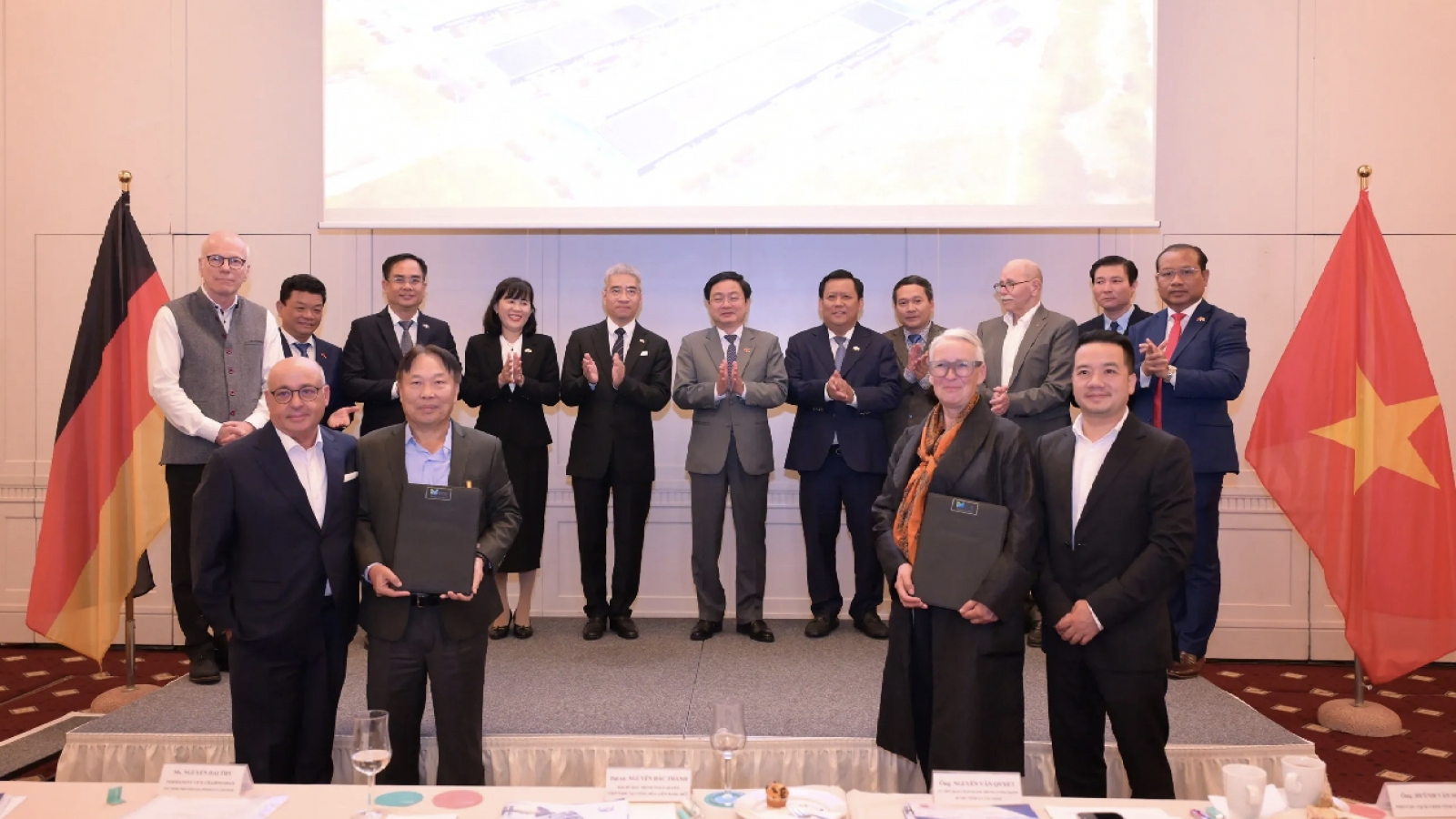
Tay Ninh secures over US$2.1bln in investment commitments in Germany
VOV.VN - Vietnam's southern province of Tay Ninh has secured investment commitments worth more than US$2.1 billion during an investment promotion conference in Germany, marking a new chapter in its economic ties with European partners.