Vietnam eyes role as economic bridge between Russia and ASEAN

VOV.VN - Vietnam is looking to leverage its growing economic ties with Russia to serve as a bridge connecting the Russian and ASEAN markets, as bilateral cooperation expands from trade in goods to investment, manufacturing, logistics and supply chains.
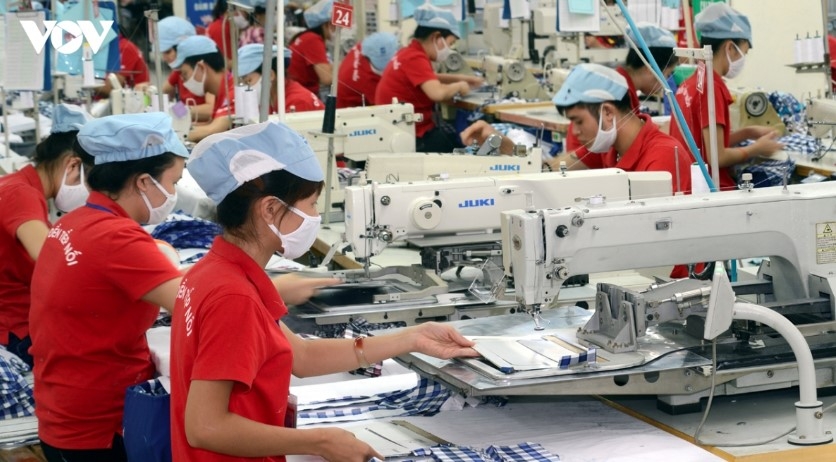
Vietnam-Russia trade hit US$3.24 billion in the first seven months of 2026, up 12% from the same period last year. 2025 saw two-way trade reach US$4.77 billion, up 4% year on year, with Vietnam’s key exports including textiles and garments, coffee and seafood.
On a broader scale, Russia-ASEAN trade totalled around US$21 billion in 2025, up nearly 58% over the past decade. Vietnam-Russia trade accounted for nearly 25% of the total, highlighting Vietnam’s significant position in Russia’s economic ties with Southeast Asia.
From trade in goods to joint investment and production
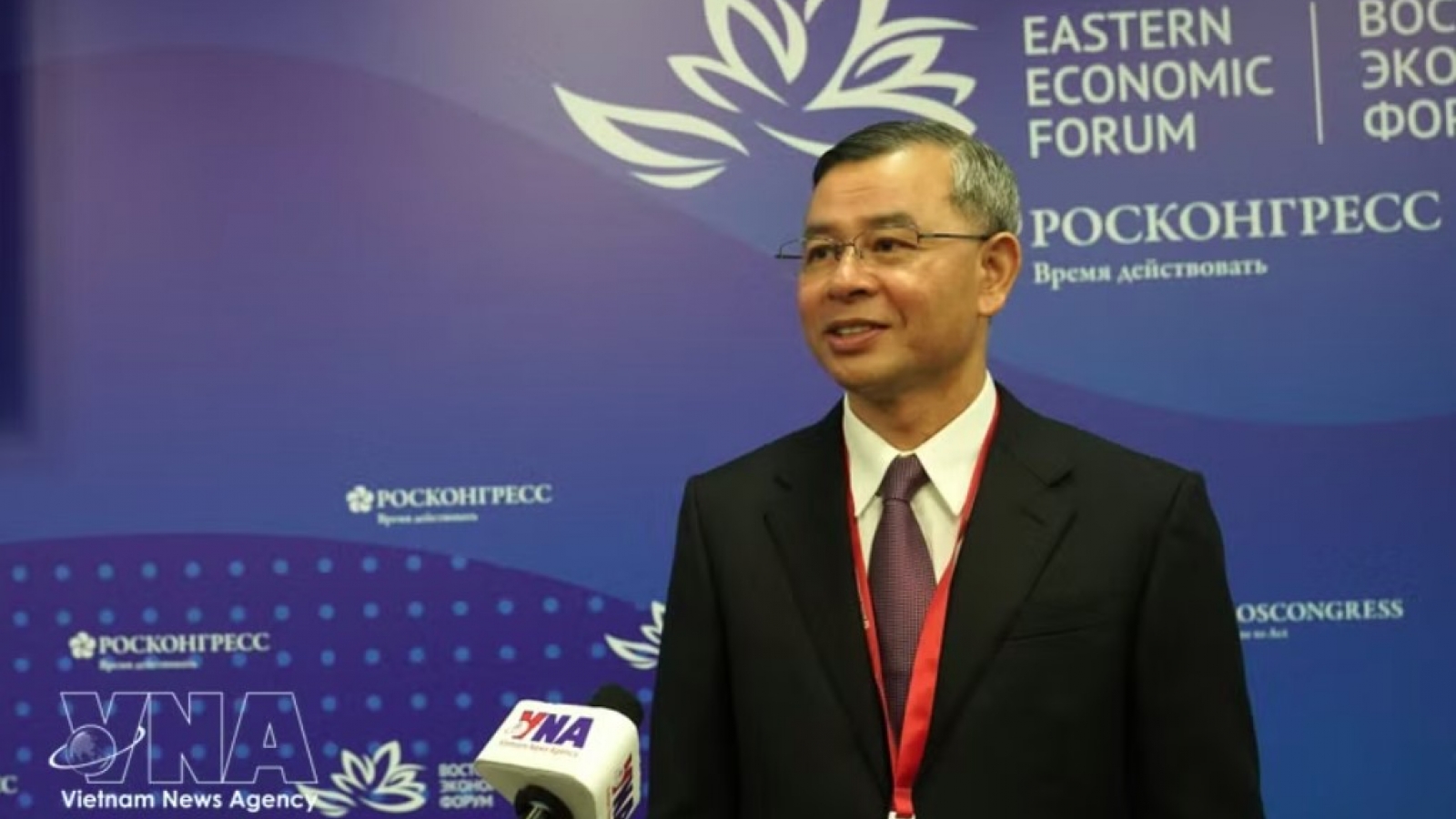
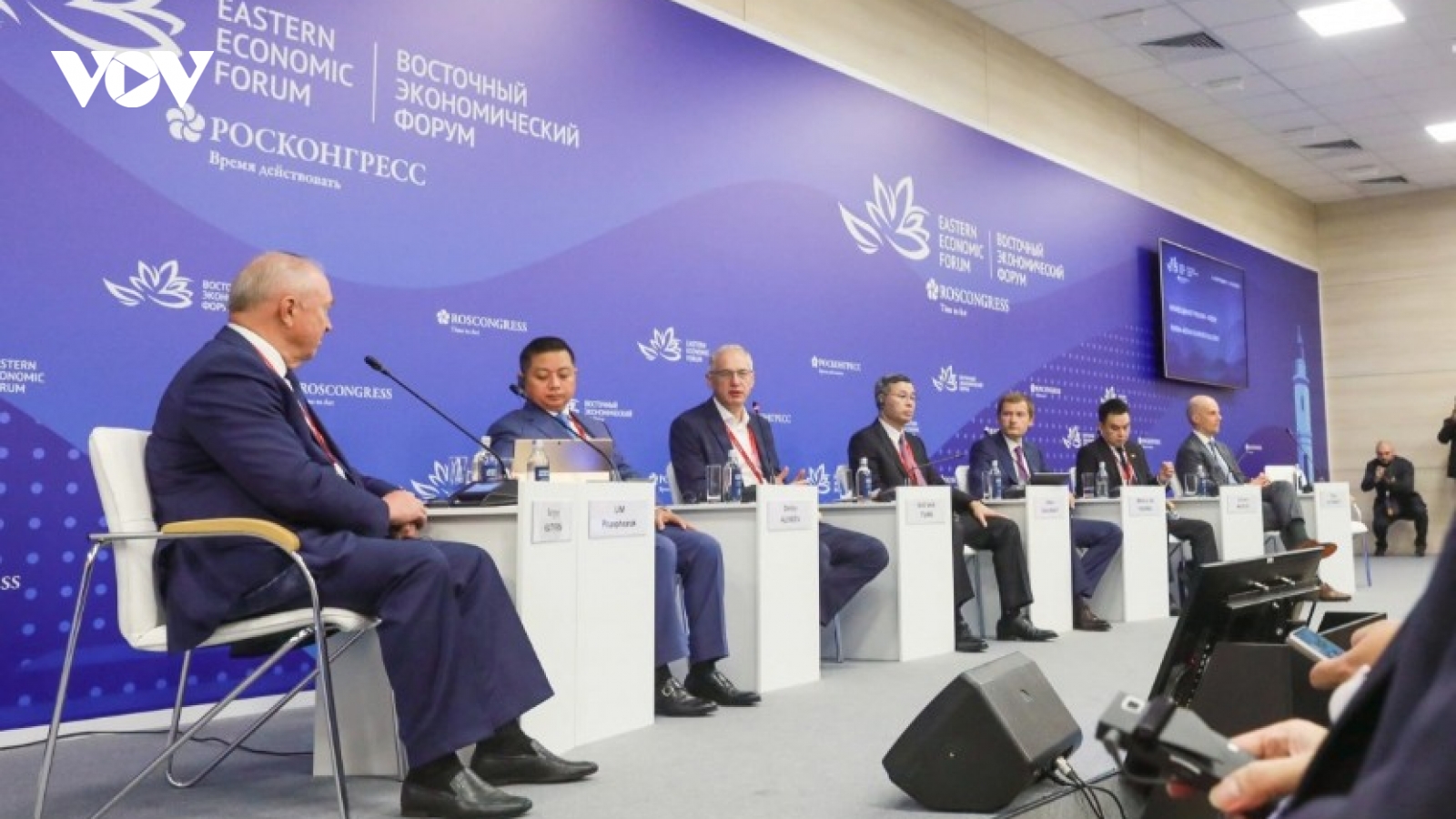
Speaking at the Russia-ASEAN Business Dialogue on September 2, held as part of the 11th Eastern Economic Forum in Vladivostok, Vietnamese Finance Minister Ngo Van Tuan pointed out that economic, trade and investment cooperation between Vietnam and Russia was below its potential.
Vietnam is ready to serve as an economic bridge between Russia and ASEAN, while promoting supply chains, logistics, technology, energy and new investment flows, he said.
The approach comes as bilateral ties offer room to move beyond conventional trade in goods towards higher value-added forms of cooperation.
Instead of focusing solely on increasing import and export turnover, Vietnam has proposed greater joint investment and joint production as well as deeper participation in value chains, alongside stronger transport and logistics connectivity and mechanisms to support businesses.
One proposal is to establish a “one-stop” investment support mechanism to assist businesses throughout the process, from licensing to operation.
The broader Russia-ASEAN relationship also offers considerable room for expansion. Russia has strengths in energy, raw materials, agriculture, industry and science and technology, while ASEAN has a market of nearly 700 million consumers and dynamic production networks. Vietnam can help connect these complementary strengths and attract Russian investment into processing, high technology, energy, logistics and high-tech agriculture.
Connecting Russian resources with ASEAN markets
Vietnam is expected to capitalise on the complementarity between the natural resources and raw materials of Russia’s Far East, including minerals, energy, agricultural and aquatic products, and Vietnam’s processing capacity, market access and network of free trade agreements.
This approach could enable businesses from both sides to participate more deeply in production and supply chains instead of simply trading goods.
Transport and logistics connectivity is another priority. Vietnam has proposed studying a Far East-Vietnam-ASEAN logistics corridor linking seaports, cold storage, distribution centres and production chains. The corridor could help create new value chains in seafood, agriculture, food, raw materials and consumer goods.
For Vietnam, this could expand its role in the broader Russia-ASEAN economic space. Opportunities extend beyond traditional exports to investment, processing, logistics, technology and market connectivity.
Cooperation in science and technology, digital transformation and artificial intelligence is also emerging as a potential new driver. Vietnam has proposed joint work in such areas as AI, cybersecurity, fintech, digital healthcare, digital education, data centres and smart manufacturing, with a focus on joint research, technology transfer, human resource training and commercialisation.
In this context, Vietnam’s comprehensive strategic partnership with Russia and its free trade agreement with the Eurasian Economic Union (EAEU) provide an important foundation for deeper economic engagement.
Vietnam was the first ASEAN country to sign an FTA with the EAEU, giving businesses from Russia and other EAEU members greater access to the Vietnamese and wider regional markets. At the same time, the Far East can provide Vietnamese and ASEAN businesses with additional access to Russia and the broader Eurasian economic space.
By leveraging the foundation of the Comprehensive Strategic Partnership and the EAEU Free Trade Agreement, Vietnamese businesses can gradually move beyond their role as suppliers to become more deeply integrated partners in the Russian market and the broader Russia-ASEAN economic space.
Vietnam outlines five key orientations for Russia-ASEAN cooperation at EEF
VOV.VN - Minister of Finance Ngo Van Tuan outlined five key orientations to deepen Russia-ASEAN cooperation during his speech at the Russia-ASEAN Business Dialogue on September 2, held as part of the 11th Eastern Economic Forum (EEF) in Vladivostok, Russia's Far East.