Vietnam cuts fuel import tariffs to zero to secure supply

VOV.VN - The Vietnamese government has decided to temporarily reduce Most Favoured Nation (MFN) import tariffs on several petroleum products and refining inputs to 0% in an effort to ensure domestic fuel supply and stabilise the market.
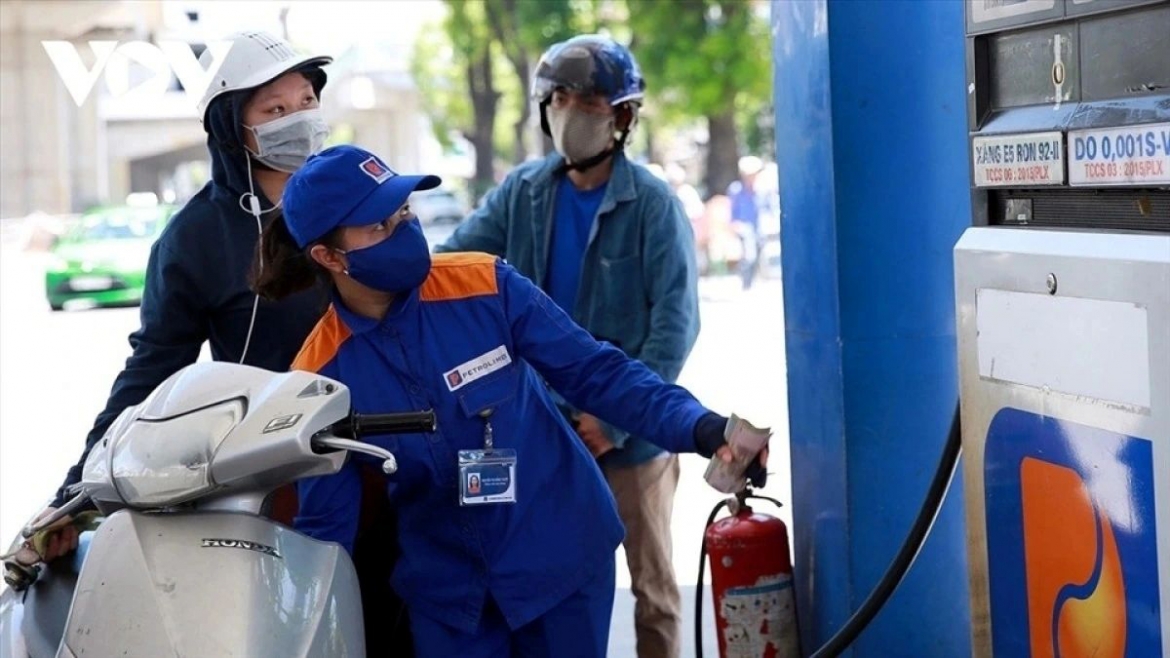
Under a decree issued on March 9, tariffs on unleaded petrol (motor gasoline) and gasoline blending components such as naphtha and reformate have been reduced from 10% to zero. Import duties on diesel, fuel oil, aviation turbine fuel and kerosene have also been lowered from 7% to 0%.
In addition, several key petrochemical feedstocks used in fuel production, including xylene, condensate and p-xylene, have seen their import tariffs cut from 3% to zero. Other cyclic hydrocarbons are also subject to a tariff reduction from 2% to 0%.
The policy takes effect from March 9 and will remain in place until April 30, 2026. If necessary, the Ministry of Industry and Trade will review market developments and propose extending the measure through the Ministry of Finance.
The policy adjustment comes as global energy markets face increasing volatility due to geopolitical tensions in the Middle East. Escalating conflict involving the United States, Israel and Iran has disrupted global oil supply chains.
Iran’s blockade of the Strait of Hormuz, one of the world’s most critical oil shipping routes, has prevented around 20 million barrels of crude oil per day from moving through the waterway from Middle Eastern producers to refineries, particularly in Asia.
The disruption has forced several refineries across the region to reduce output, draw on crude reserves and limit petroleum exports, tightening fuel supply across Asian markets. Fuel prices in Singapore’s oil trading hub, a key regional benchmark, have surged amid concerns over supply shortages.
Vietnamese refineries are also facing potential difficulties as imported crude supply becomes uncertain, complicating the fulfilment of existing delivery contracts. Some regional suppliers are reportedly considering declaring force majeure should the disruptions persist.
Currently, most of Vietnam’s petroleum imports come from ASEAN countries and the Republic of Korea, benefiting from zero tariffs under free trade agreements. However, with regional supply tightening, reducing MFN tariffs to zero allows Vietnamese distributors to diversify import sources and seek petroleum products from markets that do not have free trade agreements with Vietnam.
The measure is intended to diversify supply channels, strengthen national energy security and maintain stability in the domestic fuel market.
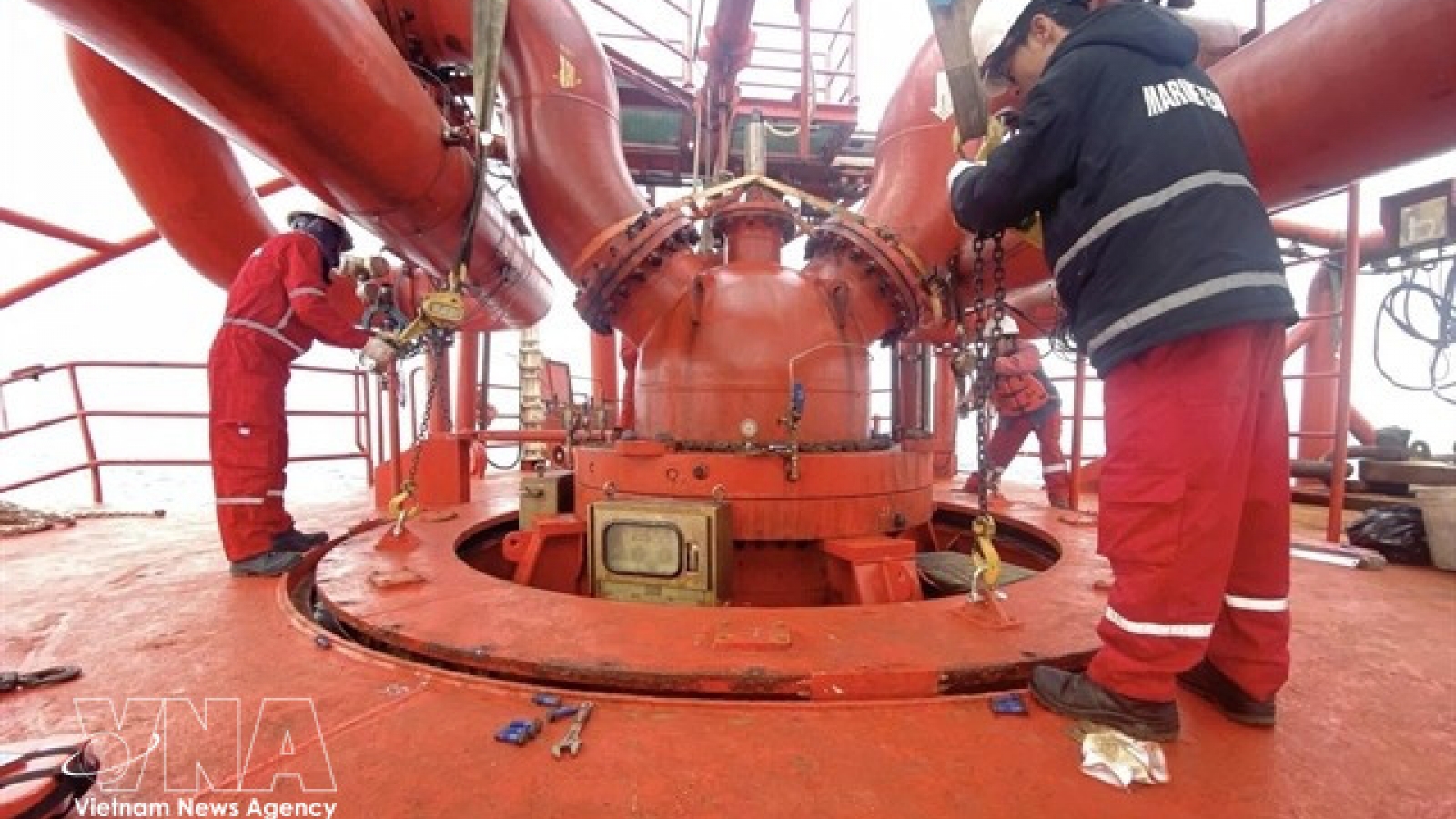
Vietnam records strong increase in fuel imports in two months
Vietnam saw a strong increase in fuel imports in the first two months of this year amid global energy uncertainty triggered by spiralling Middle East tensions.