


Ministry of Industry and Trade approves project to develop outlet models in Vietnam

VOV.VN - Vietnam is poised to establish at least one outlet center by 2030, integrating retail with tourism, leisure, and commercial development.
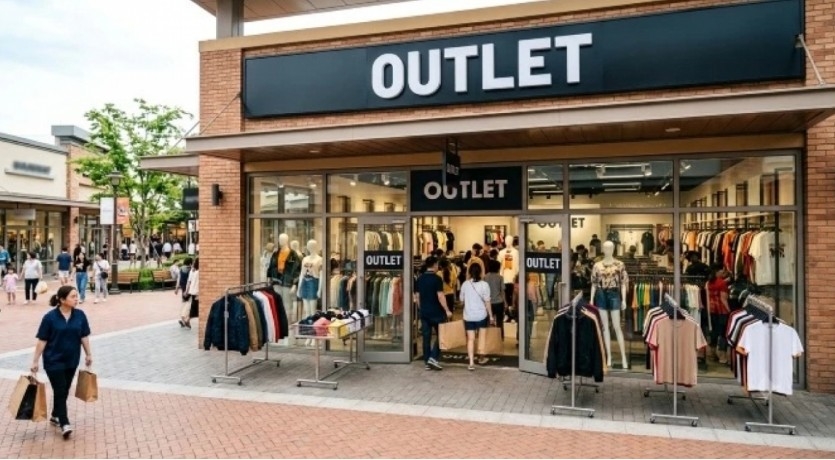
Pilot outlet stores target a 30% to 40% share of Vietnamese goods and products, alongside the creation of at least 10 "national gift" product lines.
The Ministry of Industry and Trade has approved a national project on developing outlet models through 2030, with a vision toward 2045. The initiative seeks to establish retail, tourism, and experience destinations to stimulate consumer demand, boost commerce and services, and enhance the competitiveness of Vietnam's retail market.
An outlet is a retail format where manufacturers or distributors sell products directly to consumers at prices suited to the model's characteristics. Merchandise sold in outlets may include inventory surpluses, slightly flawed goods, or lines manufactured specifically for outlet distribution.
The development of outlet models is anchored in requirements for modernization, transparency, strict supervision, alignment with international practices, and the enforcement of state management in commerce, alongside measures to combat smuggling, trade fraud, and counterfeit goods.
Pilot outlet stores target a 30% to 40% share of Vietnamese goods and products, alongside the creation of at least 10 "national gift" product lines.
The Ministry of Industry and Trade has approved a national project on developing outlet models through 2030, with a vision toward 2045. The initiative seeks to establish retail, tourism, and experience destinations to stimulate consumer demand, boost commerce and services, and enhance the competitiveness of Vietnam's retail market.
An outlet is a retail format where manufacturers or distributors sell products directly to consumers at prices suited to the model's characteristics. Merchandise sold in outlets may include inventory surpluses, slightly flawed goods, or lines manufactured specifically for outlet distribution.
The development of outlet models is anchored in requirements for modernization, transparency, strict supervision, alignment with international practices, and the enforcement of state management in commerce, alongside measures to combat smuggling, trade fraud, and counterfeit goods.
Targeting at least one outlet model by 2030
By 2030, the project is set to establish at least one outlet model in the country, progressively refining the legal framework and integrating outlet development into local zoning and economic plans in high-potential localities.
During the 2030-2045 period, outlet development will expand across the northern, central, and southern regions, with at least one model per region. The project also sets a target to train and build capacity for at least 5,000 public officials and business representatives involved in outlet management and operation by 2030.
Pilot outlet models target a minimum proportion of 30% to 40% Vietnamese goods. By 2030, at least 10 "national gift" product lines will be developed for distribution in outlets, prioritizing national brands, 5-star items under the "One Commune, One Product" (OCOP) program, representative rural industrial products, and pioneering domestic goods.
The project outlines three distinct outlet formats tailored to market conditions, ranging from premium outlet villages and urban/suburban centers to integrated models situated within multi-functional complexes across key economic and tourist areas.
Expanding space for domestic goods
The project encourages Hanoi, Ho Chi Minh City, Da Nang, Quang Ninh, and An Giang (Phu Quoc) to pilot outlet investments. Localities are directed to assess potential, select locations, allocate land funds, and determine investment modalities aligned with socio-economic conditions and transport connectivity.
Investor selection will prioritize financial capacity, retail chain management experience, brand attraction capabilities, and commitments to distributing domestic goods. In tandem with attracting investment, local authorities are responsible for organizing commercial, tourism, and cultural events at outlet sites to draw visitors and promote regional profiles, while cooperating with the Ministry of Industry and Trade to curate Vietnamese product groups and "national gift" items.
Parallel to development, the project mandates enhanced market surveillance across outlet locations, focusing on goods inspection, price listing compliance, the prevention of smuggling and trade fraud, and penalties for violations.
Establishing a legal corridor for outlet development
Under the implementation framework, the Department of Domestic Market Management and Development serves as the focal point to advise ministry leadership, spearhead policy formulation, and oversee project evaluation across stages. Other ministerial units coordinate to refine regulations concerning consumer rights, corporate responsibility, investment policies, e-commerce, and digital transformation.
At the local level, provincial and municipal authorities manage site selection, investment attraction, and regulatory compliance, while reinforcing enforcement against smuggling and counterfeit goods.
By establishing at least one outlet model by 2030 and building a comprehensive legal framework for domestic goods, the project seeks to integrate modern retail expansion with consumer stimulation, tourism growth, and the strengthened competitiveness of Vietnam's retail market.
By establishing at least one outlet model by 2030 and building a comprehensive legal framework for domestic goods, the project seeks to align modern retail expansion with consumer stimulation, tourism growth, and the strengthened competitiveness of Vietnam's retail market.
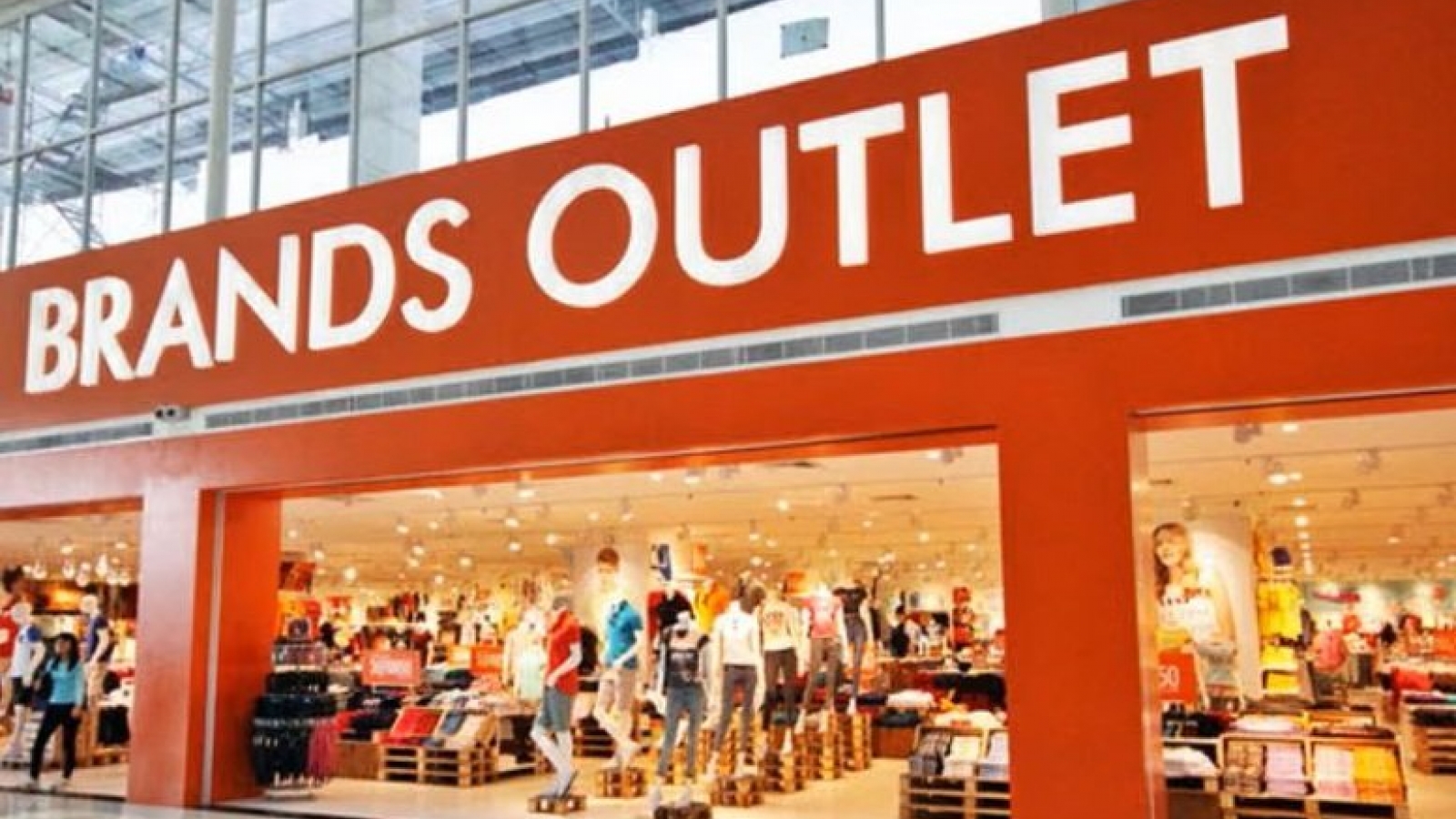
Vietnam approves outlet development plan through 2030, with vision to 2045
The Ministry of Industry and Trade (MOIT) has approved a plan to develop outlet models in Vietnam through 2030, with a vision to 2045, aiming to create shopping, tourism and experience destinations, stimulate consumption, develop trade and services, and enhance the competitiveness of the domestic retail market.
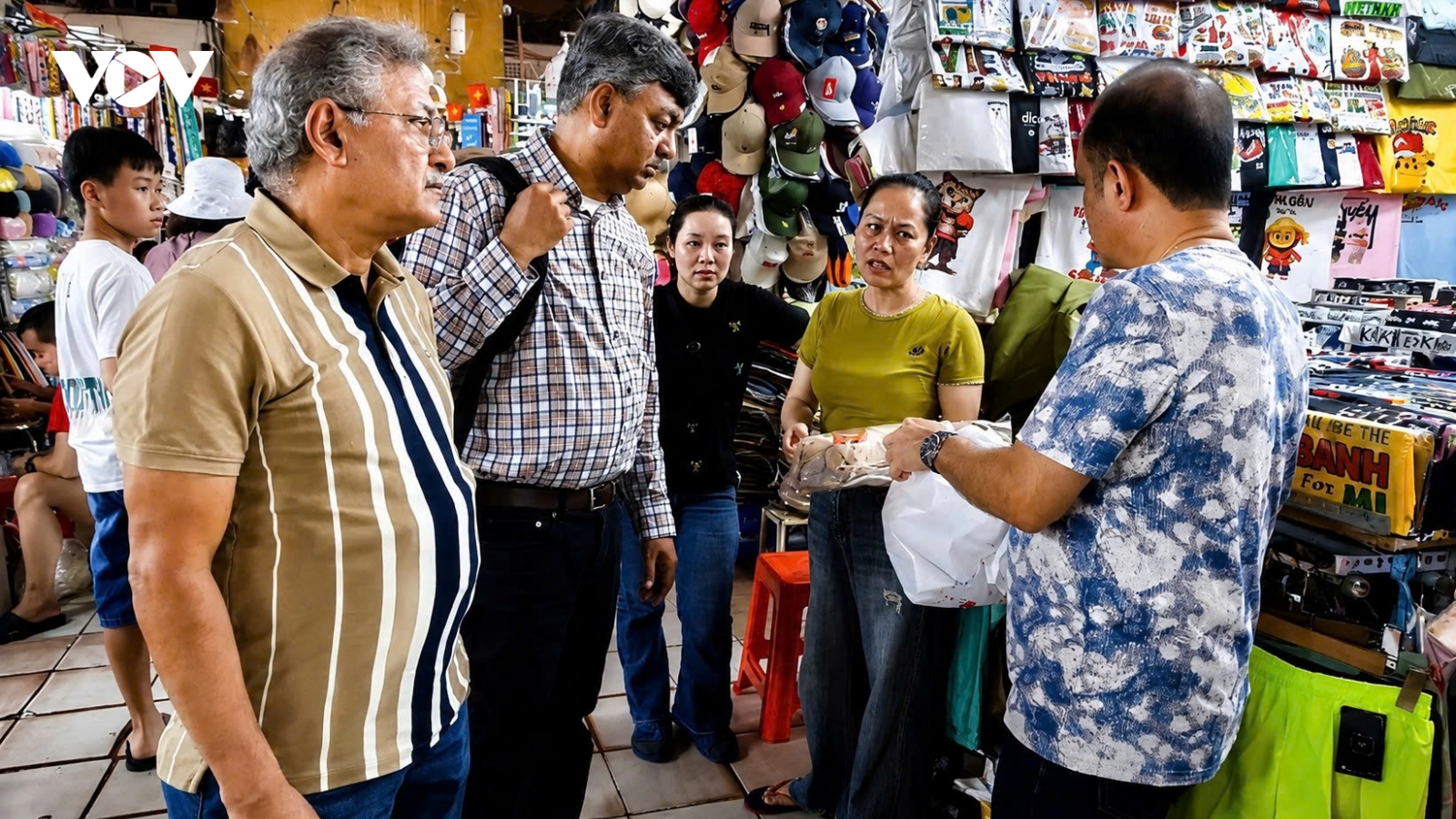
Ho Chi Minh City explores the outlet centre model as a new growth driver
VOV.VN - Ho Chi Minh City is exploring the outlet centre model as a new approach to retail and tourism that could broaden consumer spending, attract more shoppers and visitors, and create an additional driver of economic growth.