


India’s semiconductor strategy offers lessons for Vietnam: Expert

VOV.VN - India has emerged as one of the most aggressive players pursuing a semiconductor development strategy, offering practical lessons and partnership opportunities for Vietnam, according to an Indian technology expert.
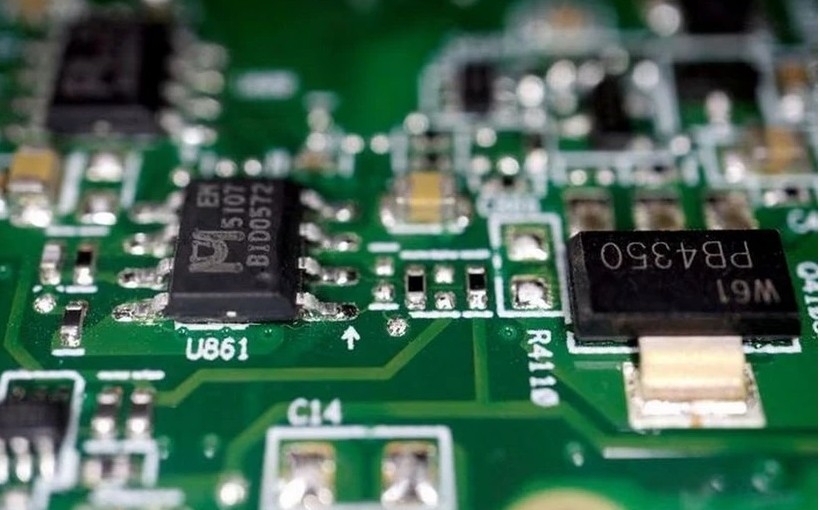
Sudhanshu Mittal, Director of Technical Solutions at the National Association of Software and Service Companies (Nasscom) of India, notes that India’s pragmatic approach provides a valuable reference for developing economies. Instead of racing in cutting-edge nodes like 2nm or 3nm, India prioritizes mature technology chips of 28 nanometers (nm) and above, alongside packaging and testing (OSAT), backed by an approved investment pool of US$18.6 billion by mid-2026.
In addition to domestic capacity, India views international cooperation as a strategic pillar, with Vietnam identified as a highly complementary partner, particularly following the state visit of General Secretary and President To Lam to India in May 2026. The two countries signed multiple agreements designating semiconductors as a priority alongside AI, cybersecurity, and advanced technologies.
Mittal highlights that India and Vietnam possess complementary strengths. While India holds nearly 20% of the world's semiconductor design engineers, Vietnam is a fast-growing electronics manufacturing hub. Combining India's expertise in design and R&D with Vietnam's manufacturing and assembly capabilities could form a resilient regional value chain. Bilateral efforts like linking India’s UPI digital payment system with Vietnam’s NAPAS further demonstrate the potential for expanded digital and technical cooperation.
Critical minerals represent another strategic synergy. Vietnam holds 22 million tonnes of rare earth reserves, ranking second globally, while India holds 6.9 million tonnes, ranking third. The Memorandum of Understanding between Indian Rare Earths Limited (IREL) and the Vietnam Institute for Atomic Energy (VINATOM) strategically pairs India’s processing technology with Vietnam’s raw resources to secure essential inputs like gallium for semiconductor magnets and power electronics.
Regarding direct takeaways, Mittal suggests Vietnam focus on specific niches, such as final assembly, chip testing, or specialized materials, rather than spreading resources across the entire value chain. The two countries must invest early in specialized training for semiconductor talent and coordinate to secure raw material supply chains.
The expert emphasizes that signed agreements must quickly turn into concrete projects, including joint R&D centers, pilot rare earth processing facilities, and manufacturing ventures. As global supply chains undergo rapid restructuring, Vietnam and India should seize the current window of opportunity to accelerate joint initiatives and deepen their role in the global semiconductor ecosystem.
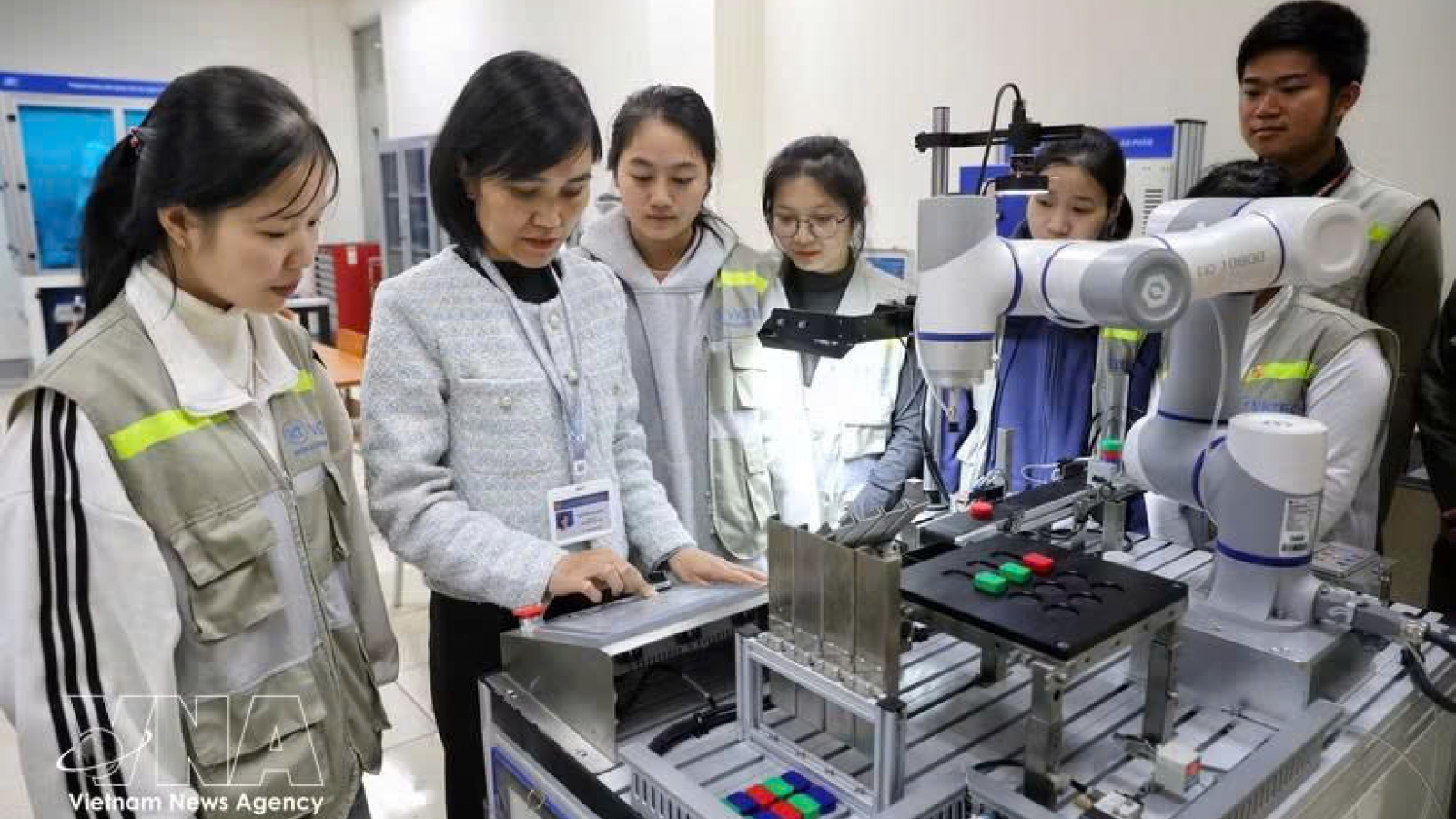
Vietnam-one of most attractive destinations for leading US semiconductor companies
Vietnam has emerged one of the most attractive destinations for leading US semiconductor companies, thanks to its competitive labour costs, political stability, favourable geographic location and extensive network of free trade agreements (FTAs).
Removing bottlenecks to realize Vietnam’s semiconductor ambitions
VOV.VN - As the global tech race intensifies, Vietnam has an opportunity to integrate deeply into the semiconductor value chain. However, realizing this ambition requires resolving bottlenecks in infrastructure, policy, and corporate capacity.