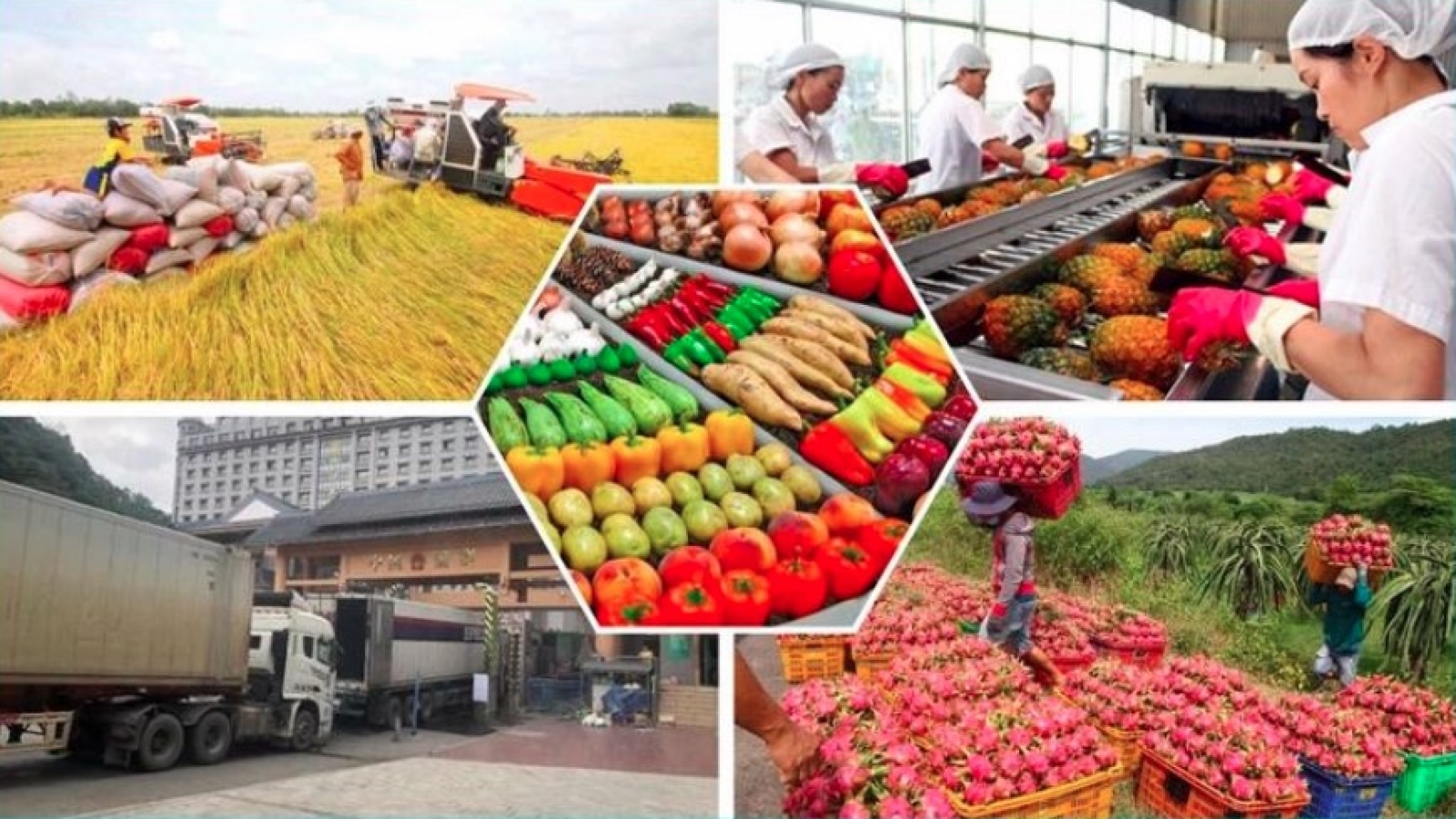
Hebei steps up agricultural cooperation with Vietnam

VOV.VN - Vietnam and China’s Hebei Province are looking to expand agricultural trade, particularly in fruit and vegetables, by leveraging complementary products, growing market demand and improved logistics links while promoting value-added processing and more sustainable supply chains.
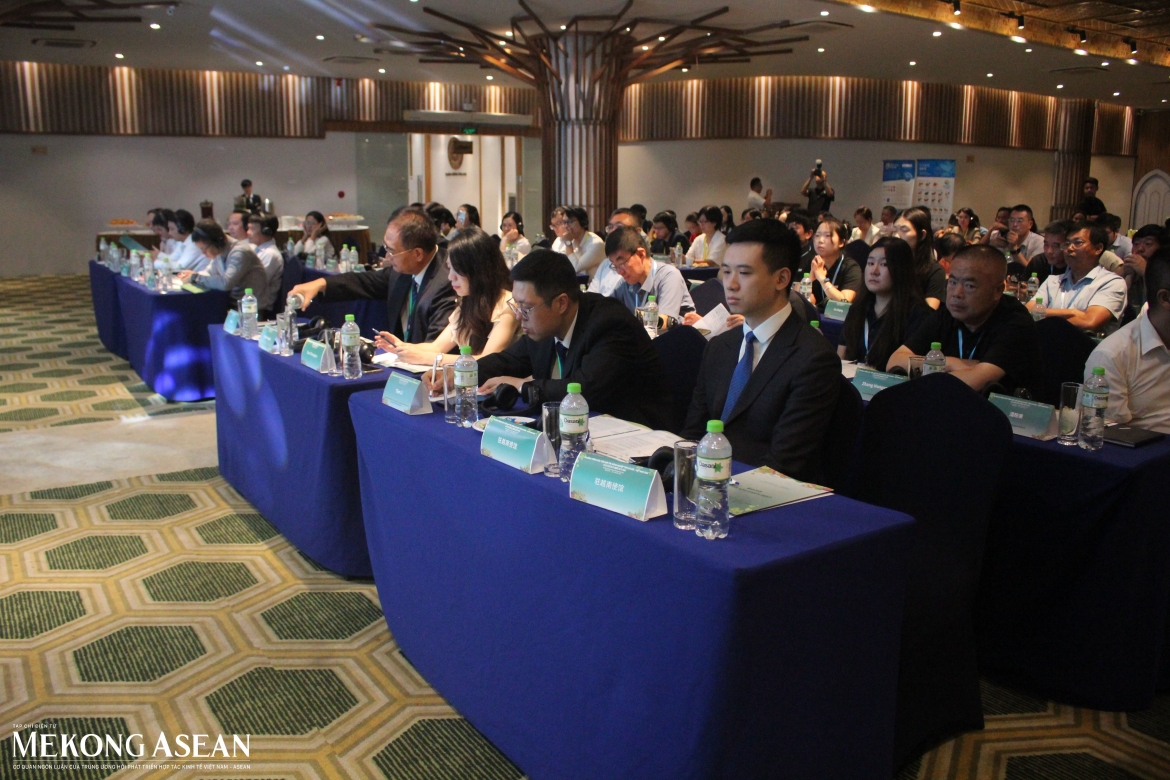
The potential was highlighted at the Hebei–Vietnam Agricultural Cooperation Promotion Programme in Hanoi on August 19, jointly organised by Vietnam’s Ministry of Agriculture and Environment and the Department of Agriculture and Rural Affairs of Hebei province, China.
Hebei is one of China’s major agricultural provinces, with 6 million hectares of cultivated land. In 2025, the province produced more than 58 million tonnes of vegetables and 12.5 million tonnes of fruit, while agricultural exports reached US$2.57 billion to 174 countries and territories.
The province is known for products including pears, chestnuts, grapes and a wide range of processed agricultural goods. Its pear production accounts for a significant share of China’s total output.
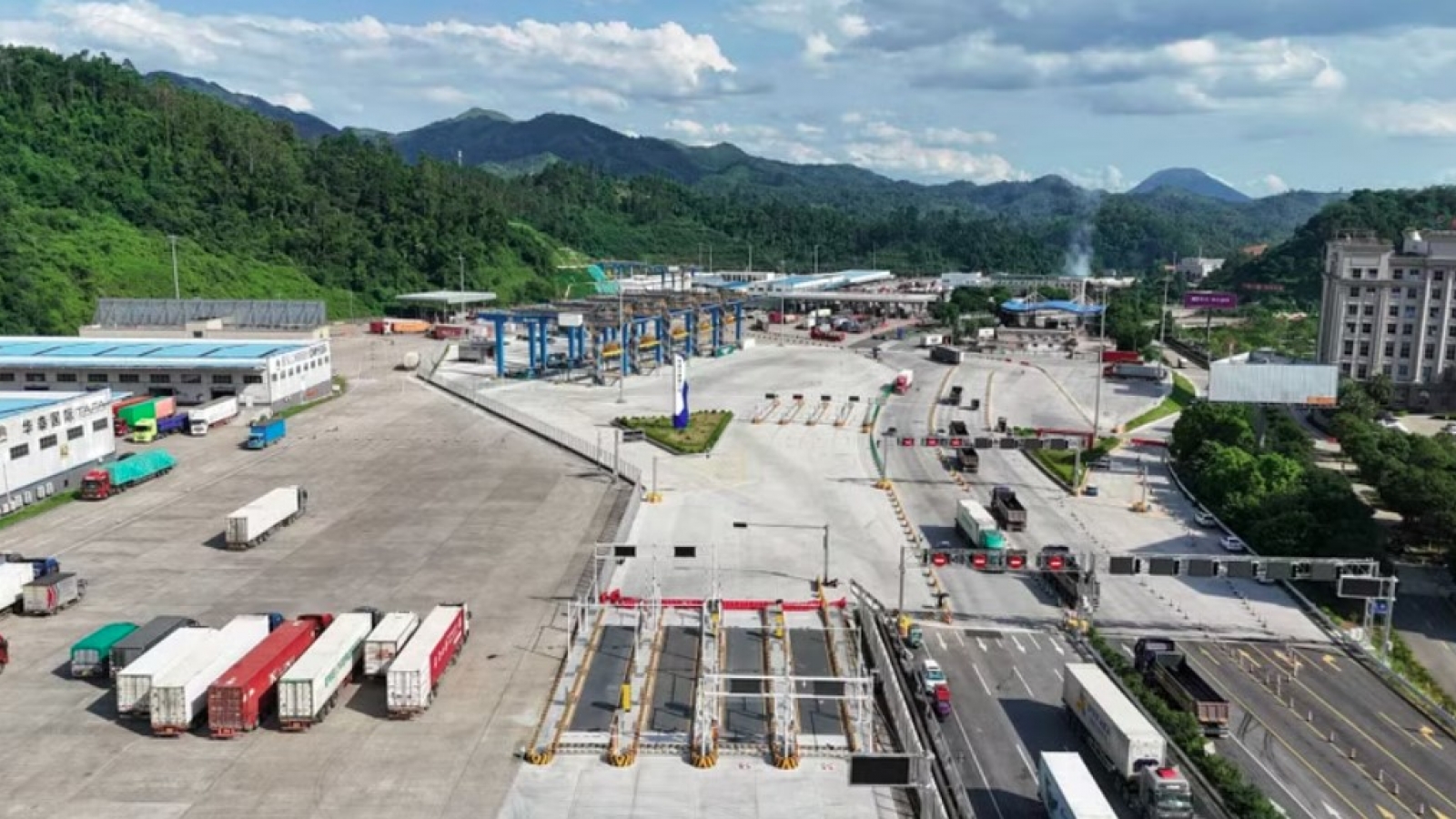
Li Dan, head of the International Cooperation Division of Hebei’s Department of Agriculture and Rural Affairs, said Vietnam and the province have clear complementary strengths in agricultural products. In particular, the ASEAN freight train service linking Jize and Handan with Hanoi, launched on March 5, 2025, operates in both directions and has reduced transit times from 12–15 days to just 5–7 days, creating more favourable conditions for agricultural trade.
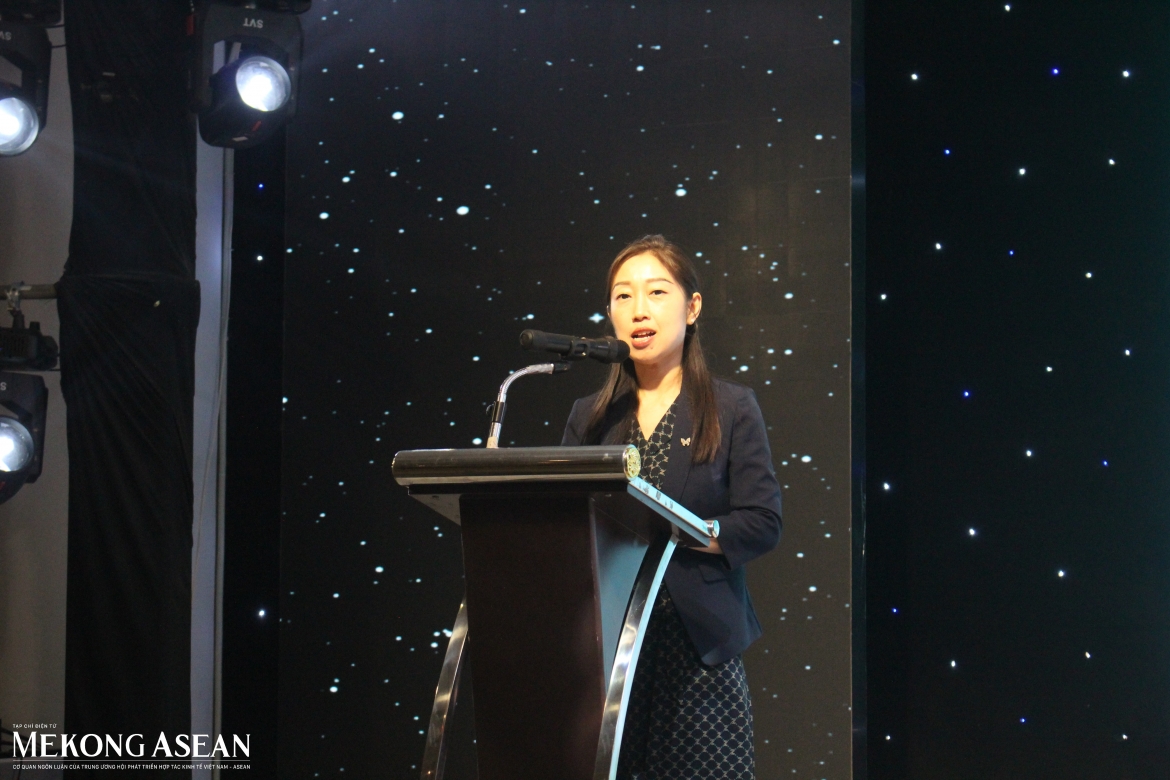
Nguyen Minh Tien, director of the Agricultural Trade Promotion Centre under Vietnam’s Ministry of Agriculture and Environment, said there is substantial room for Hebei and Vietnam to expand agricultural trade cooperation.
He highlighted the rail logistics connection between Hebei and Hanoi as a notable advantage. The link is expected to help shorten transport times, reduce costs, improve preservation conditions and enhance the stability of agricultural supply chains.
To make effective use of these opportunities, he suggested that businesses on both sides focus on quality, food safety, traceability, growing area codes, packaging, phytosanitary requirements and logistics, alongside increasing direct exchanges on market demand.
Beyond trade in goods, the two sides were encouraged to expand cooperation in deep processing, technology transfer, the utilization of agricultural by-products and the development of higher value-added products.
Meanwhile, Hoang Van Du, deputy director of the Agricultural Trade Promotion Centre, suggested that to expand trade, both sides increase capacity on the Hebei-Hanoi rail service, develop cold-storage systems and facilitate customs clearance for agricultural products. At the same time, quality standards should be strengthened from the production areas onward, with greater use of traceability and more systematic sharing of market information.
The two sides should also promote long-term, formal commercial contracts between businesses and cooperatives, helping reduce intermediaries and risks while gradually building stable, greener and more sustainable fruit and vegetable supply chains.
At the programme, several Hebei businesses involved in agricultural processing, fruits and vegetables, plant-based extracts, cold storage and the circular economy presented their capabilities and explored potential partnerships with Vietnamese companies.
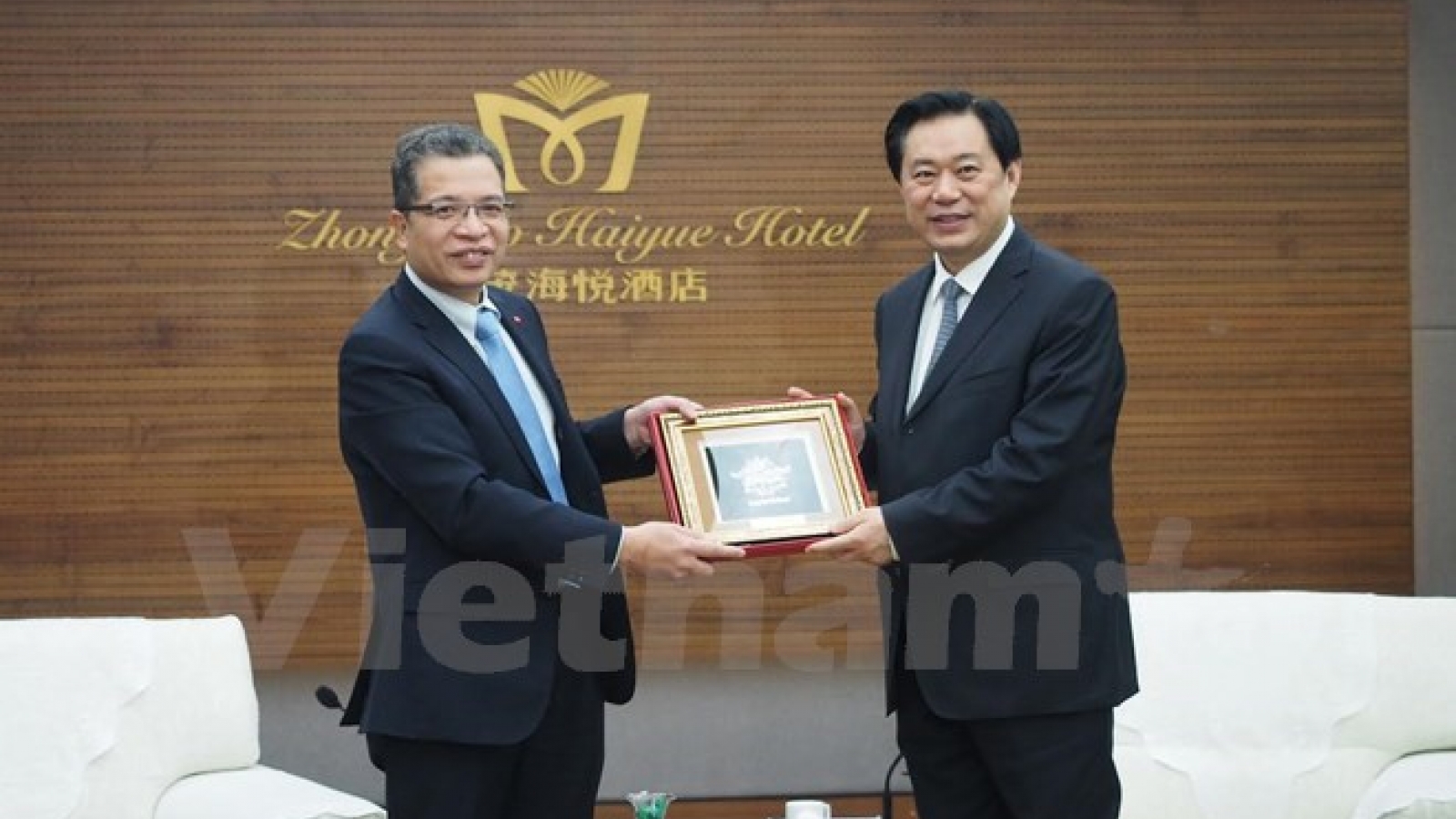
Embassy works to foster Vietnam’s economic links with China’s Hebei
Vietnamese Ambassador to China Dang Minh Khoi made a working trip to Hebei province on March 28-29 to promote economic, trade, investment, and tourism partnerships between Vietnamese localities and Hebei.