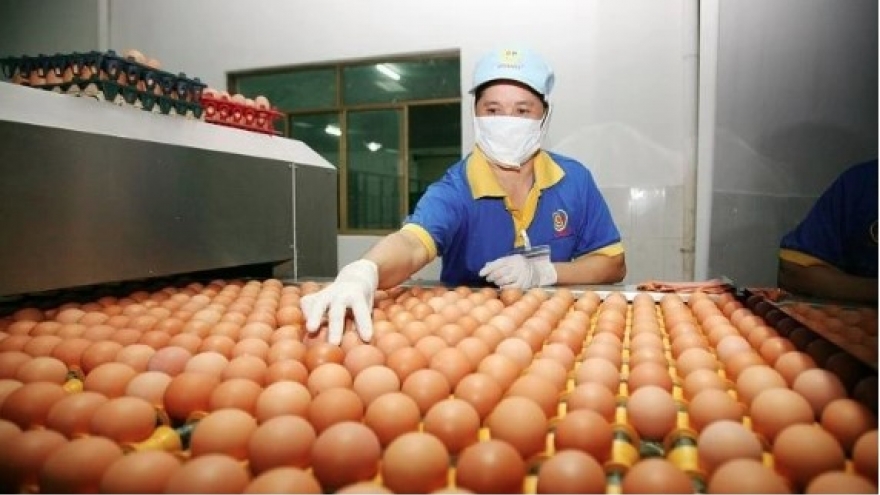
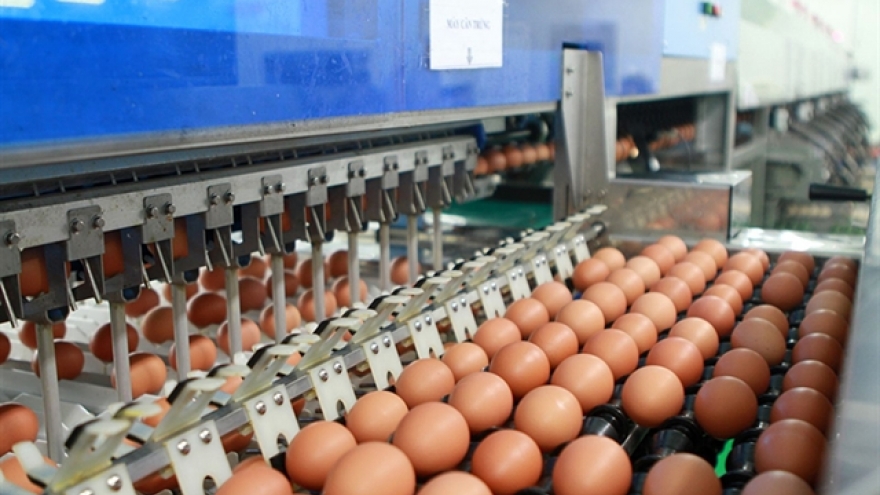
First shipment of Vietnamese ready-to-eat eggs heads to Japan

VOV.VN - Vietnam has exported its first shipment of ready-to-eat eggs to Japan, marking a significant milestone for the country’s processed food industry and opening new opportunities for value-added poultry products in one of the world’s most demanding markets.
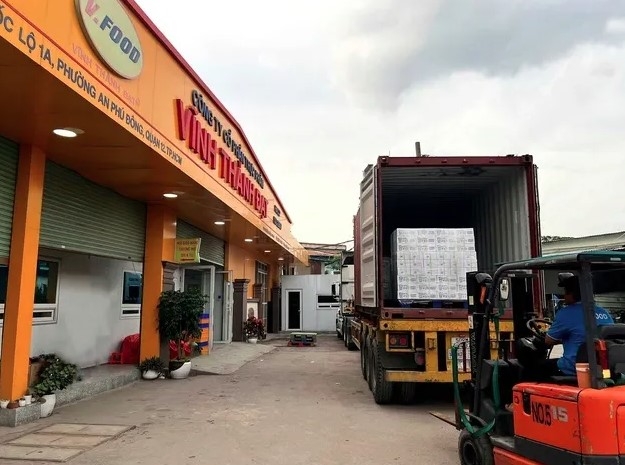
The inaugural shipment, comprising 172,000 ready-to-eat eggs, was exported by Vinh Thanh Dat Food Joint Stock Company on June 18.
According to the company, the export milestone was the result of nearly two years of product development, quality testing and market evaluation.
During the process, multiple product samples were sent to Japan for assessment, while Japanese experts provided technical support to help refine the product and ensure compliance with local consumer preferences and strict food safety requirements.
Truong Chi Thien, general director of Vinh Thanh Dat, said Japan maintains some of the world's highest standards for imported food products.
Following extensive evaluations, the company's ready-to-eat eggs received approval for export with an initial certification period of 12 months. If the partnership develops successfully, Japanese authorities and import partners may consider granting longer-term export approval.
"Our current production capacity remains relatively modest compared with our partner's demand," Thien said. "We are therefore planning to expand our factory to increase output in the coming period, as the market still offers substantial room for growth and egg prices in Japan remain relatively high".
The successful export of the first shipment is expected to create opportunities for Vietnamese processed egg products to access other high-standard international markets while increasing value addition within the country's poultry industry.
Industry experts believe the achievement comes at an important time for Vietnam's egg industry.
Domestic producers have frequently faced oversupply and declining prices, creating challenges for farmers and businesses alike. Expanding export markets is therefore seen as a key strategy for stabilising demand and promoting sustainable industry development.
Representatives of the Dong Nai Livestock Association said exports not only help absorb surplus production but also encourage businesses and farmers to improve product quality and production standards.
They added that greater participation in international markets would strengthen the competitiveness of Vietnam's poultry sector and enhance the global reputation of Vietnamese egg products.

First batch of liquid eggs exported to RoK
VOV.VN - Vietnamese enterprise Vinh Thanh Dat Food has exported a batch of liquid eggs to the Republic of Korea (RoK) for the first time.