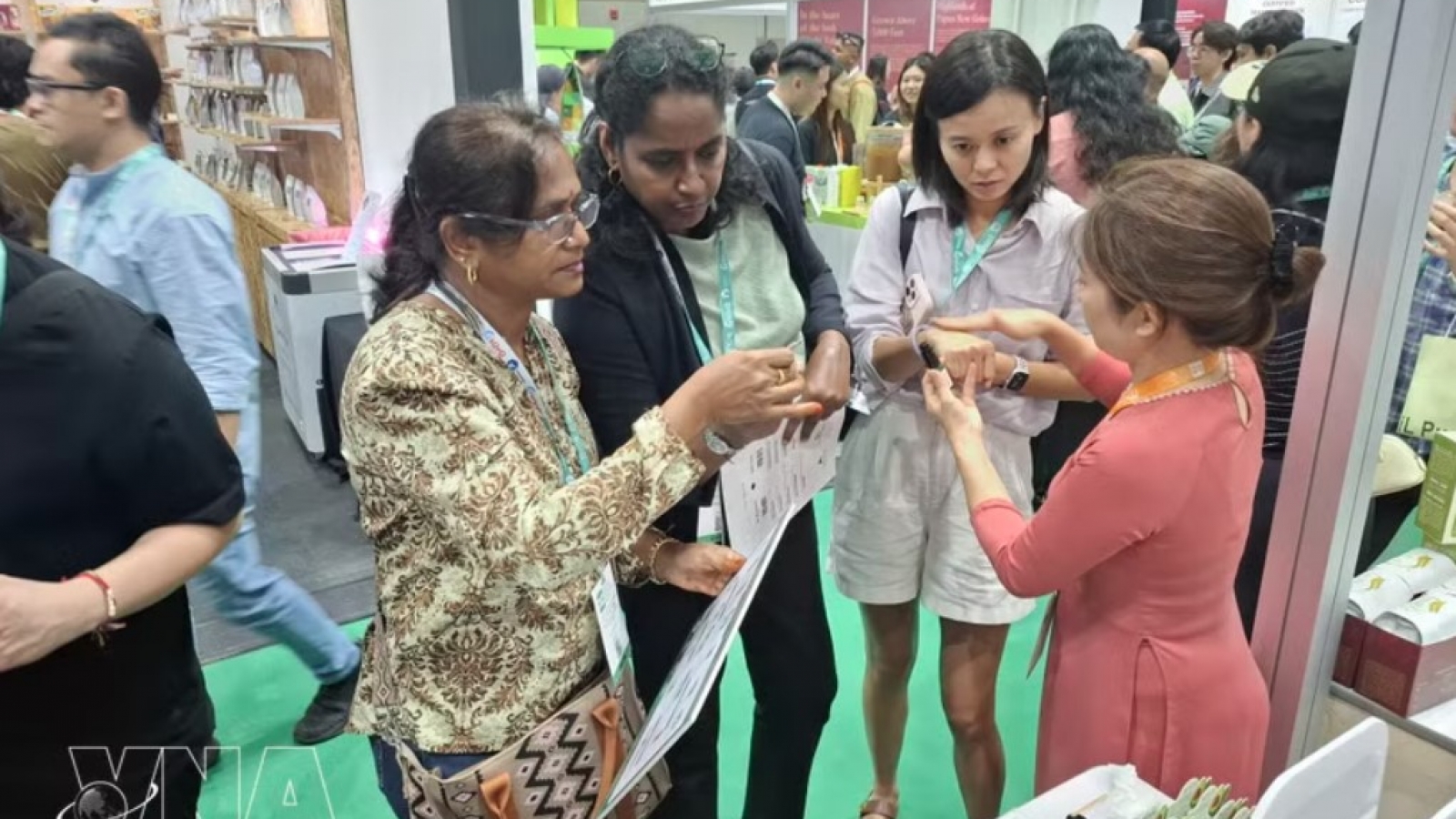
Dak Lak looks to expand agricultural exports to Halal markets

VOV.VN - The Central Highland province of Dak Lak is seeking ways to expand exports of its key agricultural and seafood products to Halal markets, which currently account for less than 9% of the province’s exports.
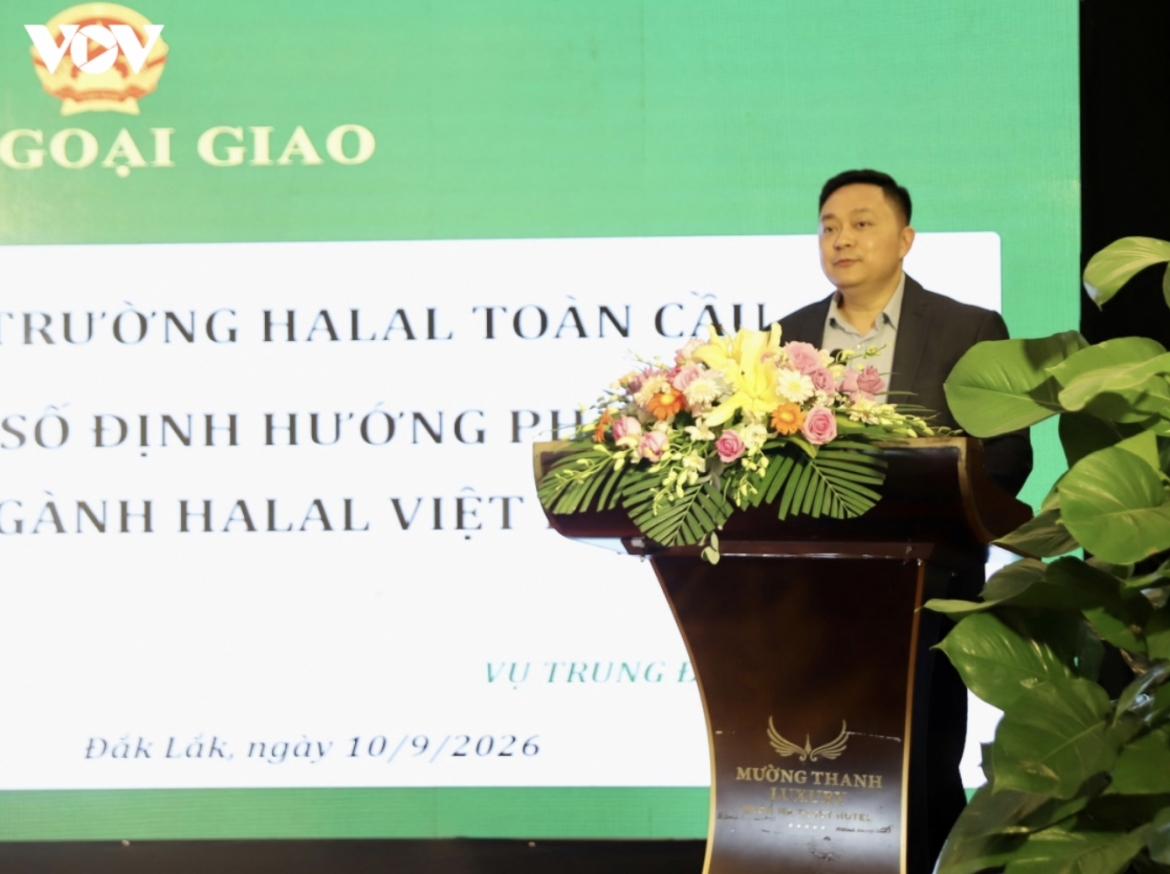
The provincial Department of Industry and Trade held a workshop in Buon Ma Thuot ward on September 10 to promote exports of key local products to Halal markets and provide information on the Vietnam–Israel Free Trade Agreement (VIFTA) and Vietnam-UAE Comprehensive Economic Partnership Agreement (CEPA) in 2026.
Dak Lak currently has abundant supplies of key agricultural products, with annual coffee output exceeding 560,000 tonnes, pepper at around 84,000 tonnes, durian at around 400,000 tonnes and seafood at nearly 51,000 tonnes.
However, its agricultural and seafood exports remain concentrated in traditional markets such as China, the United States, Japan, the Republic of Korea and the European Union. Halal markets, including Arab countries, Malaysia and Indonesia, offer significant untapped potential, with less than 9% of the province’s exports currently reaching these markets.
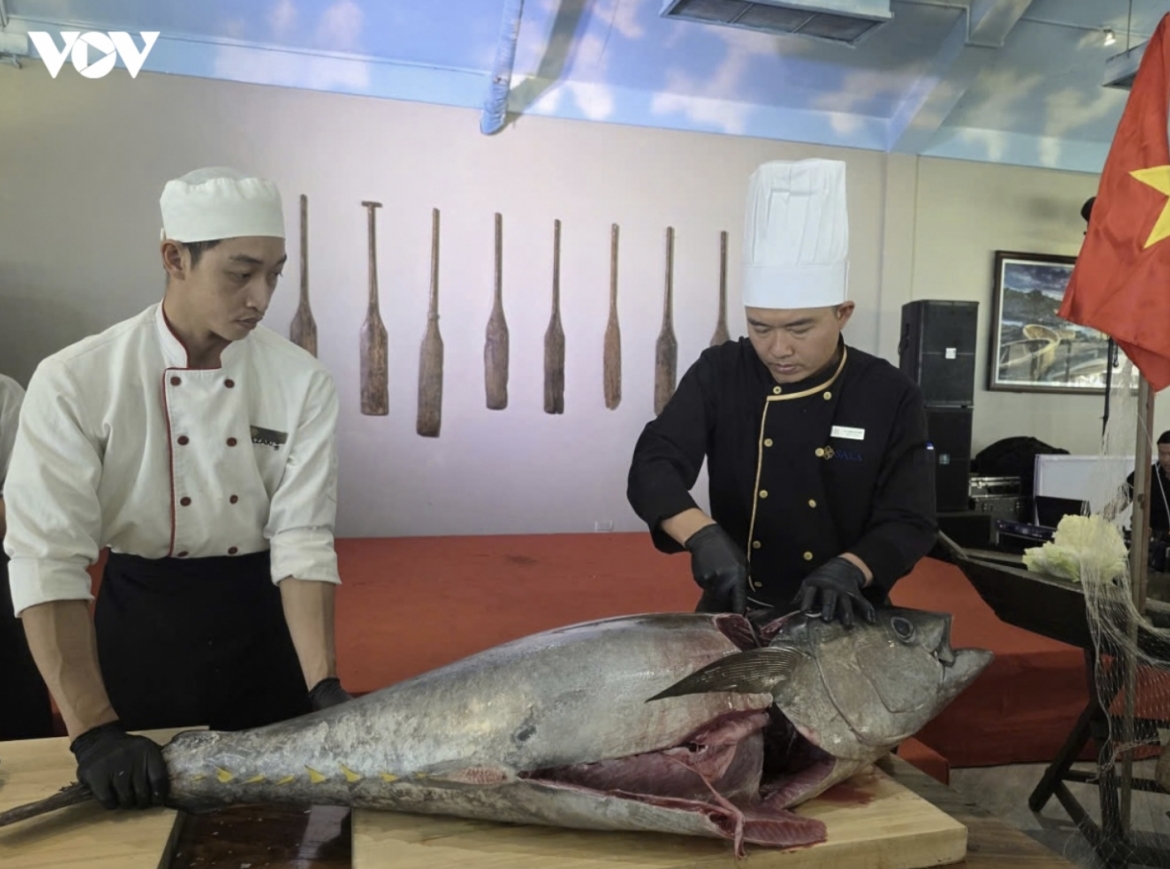
At the event, Nguyen Thanh Duy, deputy director of the Middle East and Africa Department under the Ministry of Foreign Affairs, said Vietnamese businesses still lack information about Halal market demand, regulations and standards.
He noted that the ministry stands ready to help Dak Lak businesses connect with Halal markets in the Middle East and Africa. Vietnamese representative missions in these countries have also set up display spaces where local products can be introduced to potential customers.
Le Van Vuong, director of Vuong Thanh Cong Coffee Production and Trading Co., Ltd. in Dak Lak, shared that diversifying export markets has become increasingly important as traditional markets such as the EU, US, Japan and the Republic of Korea introduce new trade defence measures.
However, businesses still lack detailed information on Halal market demand and regulations, while the costs of meeting and obtaining certification for Halal standards remain a major challenge.
Vuong called for greater support from provincial and central authorities in providing customer data, training businesses on Halal requirements and helping them improve production to meet relevant standards. He also proposed financial and human-resource support to help local companies strengthen management and produce goods that meet Halal market requirements.
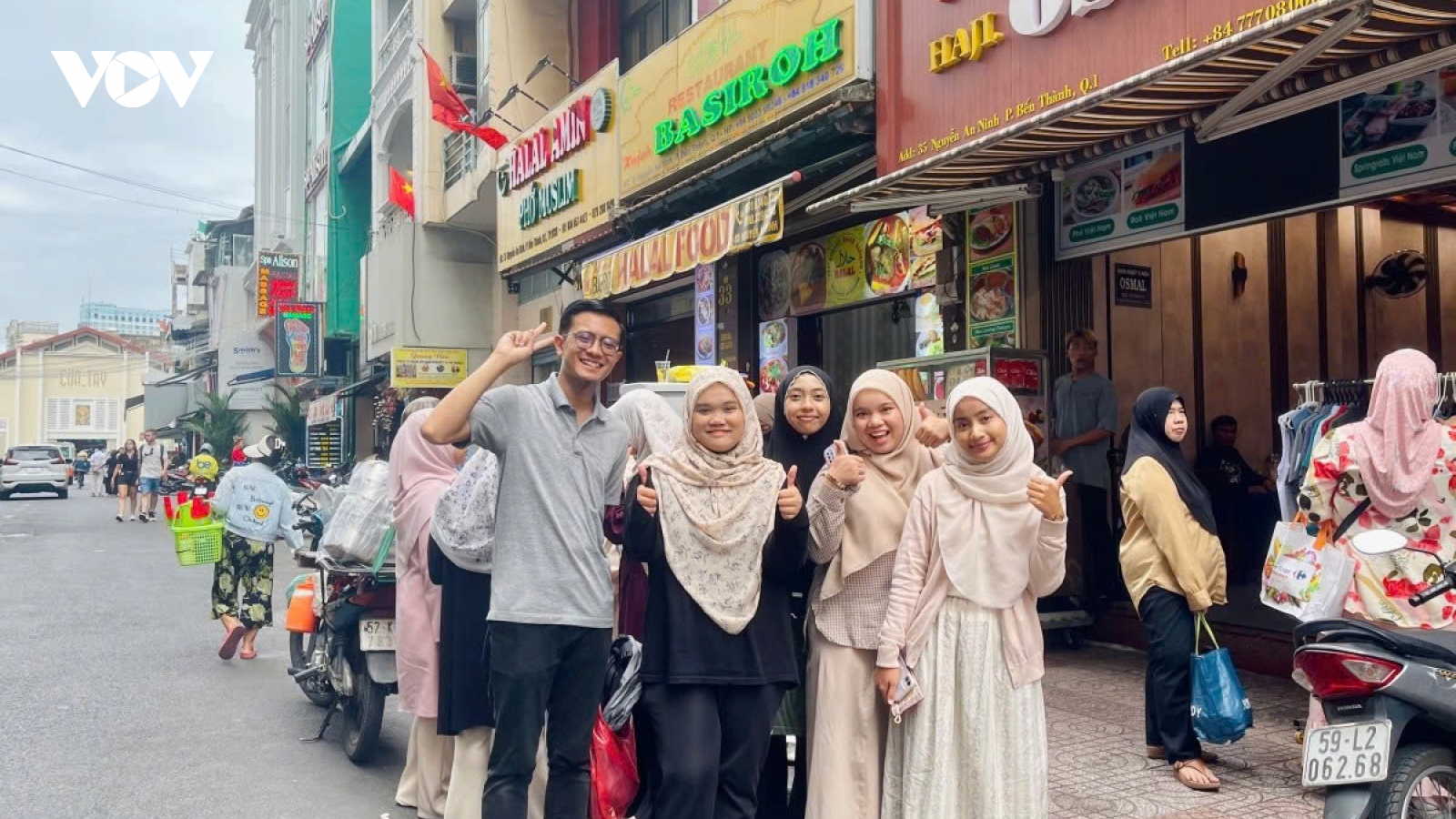
Vietnam eyes fast-growing Halal tourism market
VOV.VN - Vietnam has significant potential to attract the rapidly growing global Halal tourism market, but unlocking this opportunity will require a comprehensive ecosystem of Halal-certified services, experts said at a conference in Khanh Hoa province on July 8.