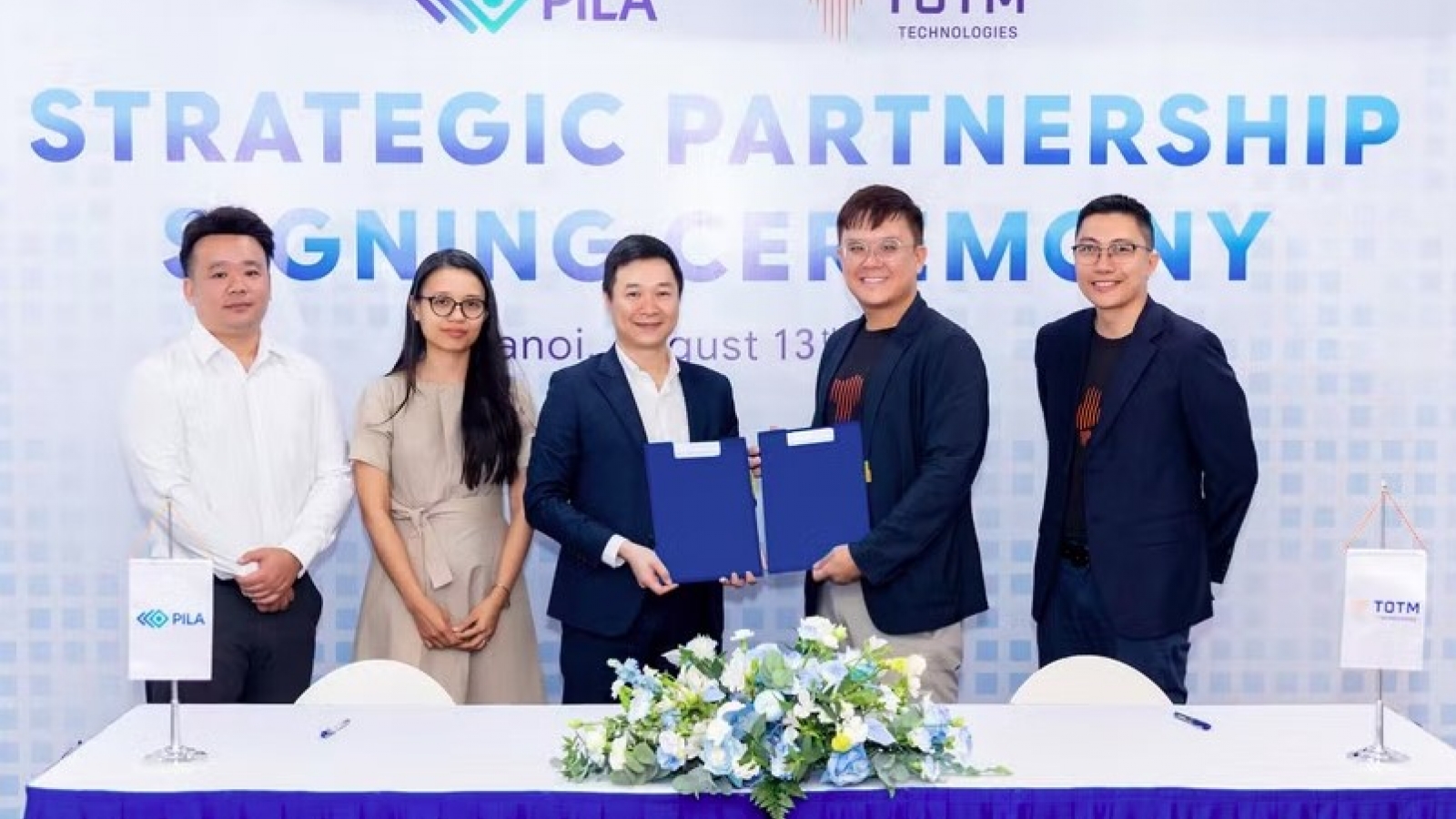
Complementary strengths power Singapore-Vietnam semiconductor corridor

VOV.VN - Combining the unique capabilities of Singapore and Vietnam can pave the way for an integrated and globally competitive semiconductor corridor within ASEAN, according to Ang Wee Seng, Executive Director of the Singapore Semiconductor Industry Association (SSIA).

In a recent media interview in Singapore, Ang highlighted that the city island state’s semiconductor sector boasts deep expertise in research and development, advanced manufacturing, technology governance, finance, international business networks, and direct access to global chipmakers.
Meanwhile, Vietnam brings a growing pool of young engineering talent, large-scale electronics manufacturing, an expanding roster of domestic tech enterprises, and a market size substantial enough to drive further industrial momentum.
According to Ang, competitiveness in today’s semiconductor industry is no longer determined by a single company or facility, but by the strength, connectivity, adaptability, and reliability of the entire ecosystem.
The strategic importance of semiconductors was underscored by Professor Vu Minh Khuong of the Lee Kuan Yew School of Public Policy, who identified five critical technological domains shaping the future: artificial intelligence, biotechnology, semiconductors and quantum computing, advanced energy systems, and robotics.
Evaluating Vietnam-Singapore semiconductor cooperation, Ang noted that agreements announced during General Secretary and State President To Lam’s visit to Singapore in May 2026 provided vital momentum, creating practical mechanisms to translate mutual trust and strategic cohesion into concrete projects. Outcomes include cooperation across supply chain resilience, advanced manufacturing, technology, energy, digital transformation, innovation, and workforce development.
These areas are vital to the semiconductor industry because no semiconductor ecosystem operates in isolation; it depends heavily on stable energy, advanced infrastructure, resilient supply chains, joint technology initiatives, and high-caliber human resources.
SSIA expects the next phase of cooperation to be practical, sustainable, and industry-led. Potential avenues include capability mapping, vendor development, business matching, workforce exchanges, leadership cultivation, joint research, and pilot projects covering chip design, packaging and testing, equipment, materials, precision engineering, and smart manufacturing.
Regarding Vietnam's ambitious goals for its semiconductor sector, Mr. Ang stressed that the key challenge lies in translating these aspirations into focused, commercially viable, and sustainable capabilities. To that end, he outlined five strategic priorities for the country:
First, maintain a tight focus on areas where the nation holds the greatest potential to build an enduring competitive edge. Vietnam can pinpoint domains featuring the strongest combination of domestic demand, talent, existing industrial capacity, and potential global clients.
Key niches include chip design, packaging and testing, embedded systems, telecom chips, power electronics, industrial applications, and select segments within equipment, materials, and precision engineering supply chains.
Second, cultivate domestic demand in tandem with manufacturing capacity. Major domestic tech and industrial conglomerates such as Viettel and FPT can serve as crucial early adopters and development partners. Local applications in telecommunications, energy, transportation, industrial automation, healthcare, defense, smart cities, and digital infrastructure can generate substantial demand for specialized semiconductor products tailored to Vietnam's specific needs.
Third, talent development must be closely tied to industry needs. Universities and training institutes should collaborate directly with enterprises on curricula, internships, laboratory access, engineering tools, and real-world production challenges. In addition to fresh graduates, Vietnam will require seasoned technical leaders, process engineers, project managers, and specialists proficient in international quality standards, intellectual property, cybersecurity, and regulatory requirements.
Fourth, continue to reinforce fundamental drivers of investment decisions. These factors include stable and cost-competitive power, abundant water supply, efficient logistics, intellectual property protection, policy consistency, cybersecurity, export control compliance, and a robust network of qualified local suppliers.
Finally, sustain international connectivity. Given the inherently global nature of semiconductors, collaborating with Singapore's industry and other major ecosystems can shorten Vietnam's learning curve, enhance its international standing, and connect domestic firms to global buyers. Success should be measured not merely by the number of factories built, but by the volume of valuable intellectual property developed by Vietnamese engineers, the number of local suppliers certified by global players, the international reach of Vietnamese-designed products, and the value created and retained domestically.
Developing a semiconductor industry remains a long-term enterprise. At the regional level, ASEAN nations should avoid treating semiconductor development as a zero-sum competition where each country attempts to replicate identical ecosystems. Singapore, Vietnam, and other ASEAN economies possess distinct yet complementary capabilities.
By linking these assets through infrastructure, talent mobility, research partnerships, trusted supply chains, and joint industrial initiatives, ASEAN can establish an integrated, resilient semiconductor ecosystem of global significance rather than a fragmented collection of isolated production sites.
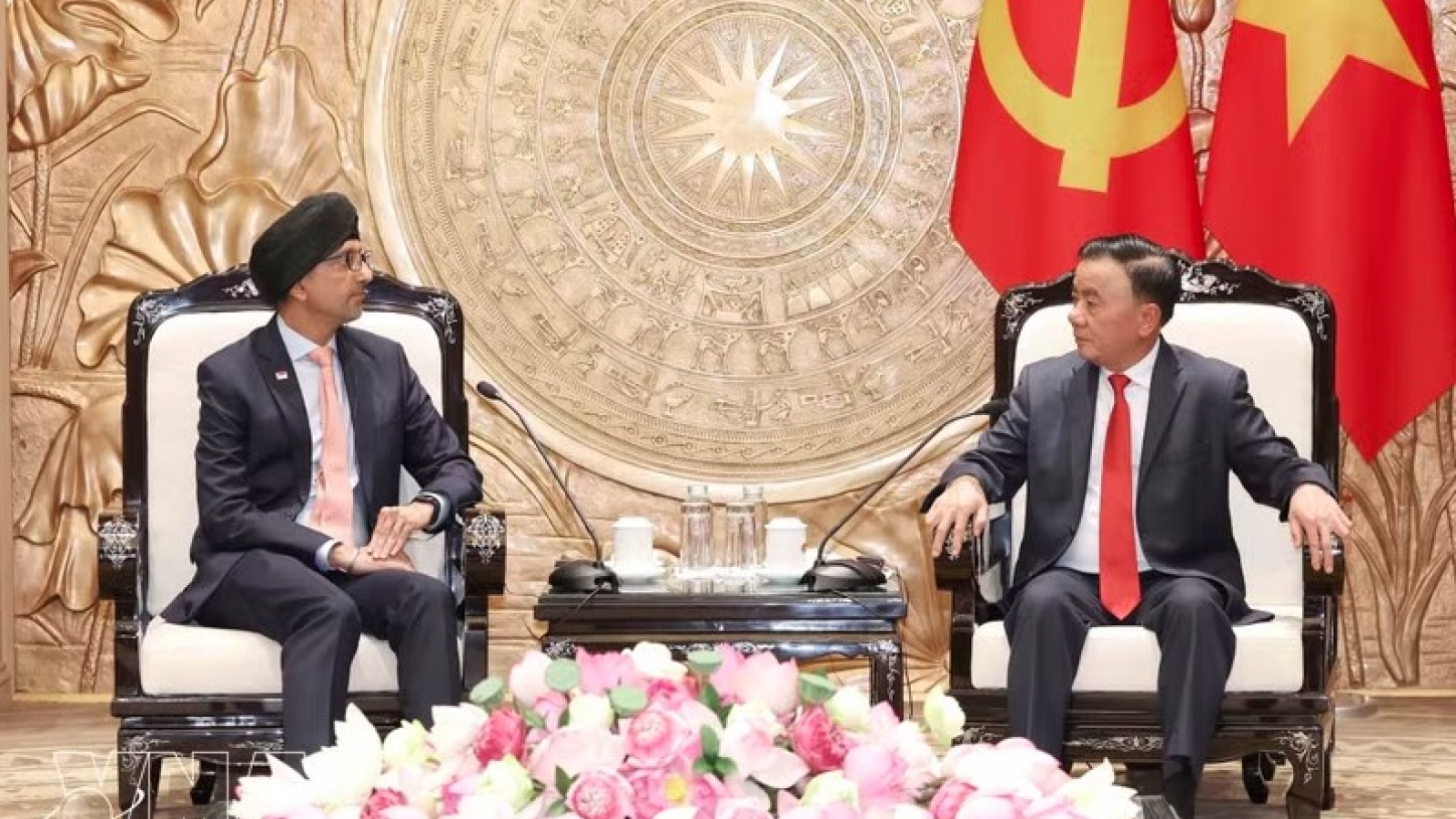
Party official calls for stronger Vietnam–Singapore cooperation
Politburo member and Permanent member of the Communist Party of Vietnam Central Committee's Secretariat Tran Cam Tu hosted a reception in Hanoi on August 5 for Singaporean Ambassador to Vietnam Rajpal Singh, reaffirming Vietnam's commitment to deepening the Comprehensive Strategic Partnership between the two countries.

Vietnam held to goalless draw by Singapore in ASEAN Cup
VOV.VN - Defending champions Vietnam were held to a 0-0 draw by Singapore at My Dinh National Stadium in Hanoi on July 31 despite dominating possession and firing 22 shots, missing the chance to strengthen their position in ASEAN Cup 2026 Group A.