Agro-forestry-fishery exports rise 7.8% in nine months

Vietnam’s agro-forestry-fishery exports maintained growth momentum in the first nine months of 2026 despite continued volatility in global market, reaching US$56.3 billion, up 7.8% year on year.
The sector posted a trade surplus of US$16.9 billion, an increase of 7.4%.
According to the Ministry of Agriculture and Environment, agro-forestry-fishery exports in September alone were estimated at US$6.51 billion, up 5.7% year on year.
In the January-September period, agricultural exports reached US$29.28 billion, up 3.1%; seafood exports US$9.17 billion, up 12.3%; and forestry exports US$14.41 billion, up 7.6%. Shipments of livestock products surged 24.6% to US$564.4 million.
By region, Asia was the largest export market for Vietnam's major agricultural, forestry and fishery products, accounting for 49.4% of the market share. The next two largest markets were the Americas and Europe, with respective market shares of 22.2% and 13.5%. Africa and Oceania accounted for smaller shares, at 2.3% and 1.5%, respectively.
Exports to Asia increased 11.9% year on year, while those to the Americas, Europe and Oceania rose 2.3%, 2.6% and 15.5%, respectively. Meanwhile, shipments to Africa fell 16.7%.
China, the US and Japan were the three largest individual markets, with respective shares of 24.4%, 19.8% and 7.4%. Exports to all three markets increased, with shipments to China posting particularly strong growth of 18.9%.
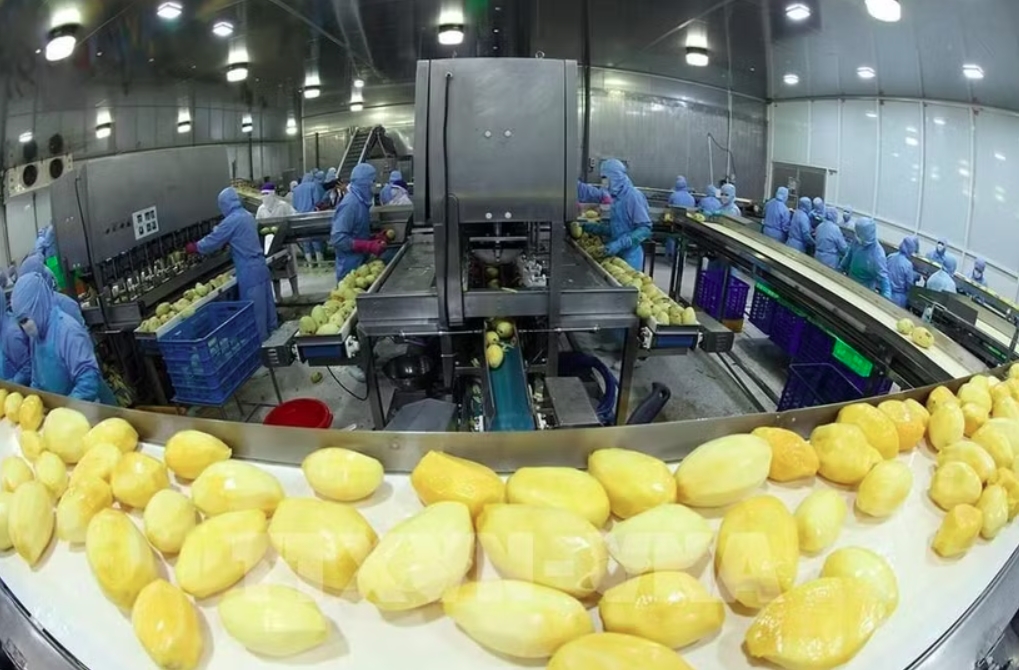
Fruit and vegetables remained a standout performer, with exports reaching nearly US$7.35 billion, up 19.9%. China accounted for 63% of the total, followed by the US and the Republic of Korea.
Seafood exports also maintained double-digit growth, rising 12.3% to US$9.17 billion. China, the US and Japan were the three biggest markets, accounting for 23.7%, 15.7% and 14%, respectively.
Among forestry products, wood and wooden products continued to play a leading role. In the first nine months of 2026, their exports reached nearly US$13.43 billion, up 7.3% year on year. The US was the largest market, accounting for 50.1%, followed by China and Japan, with shares of 15% and 12.5%, respectively.
However, several major agricultural commodities faced pressure from lower prices or weaker demand.
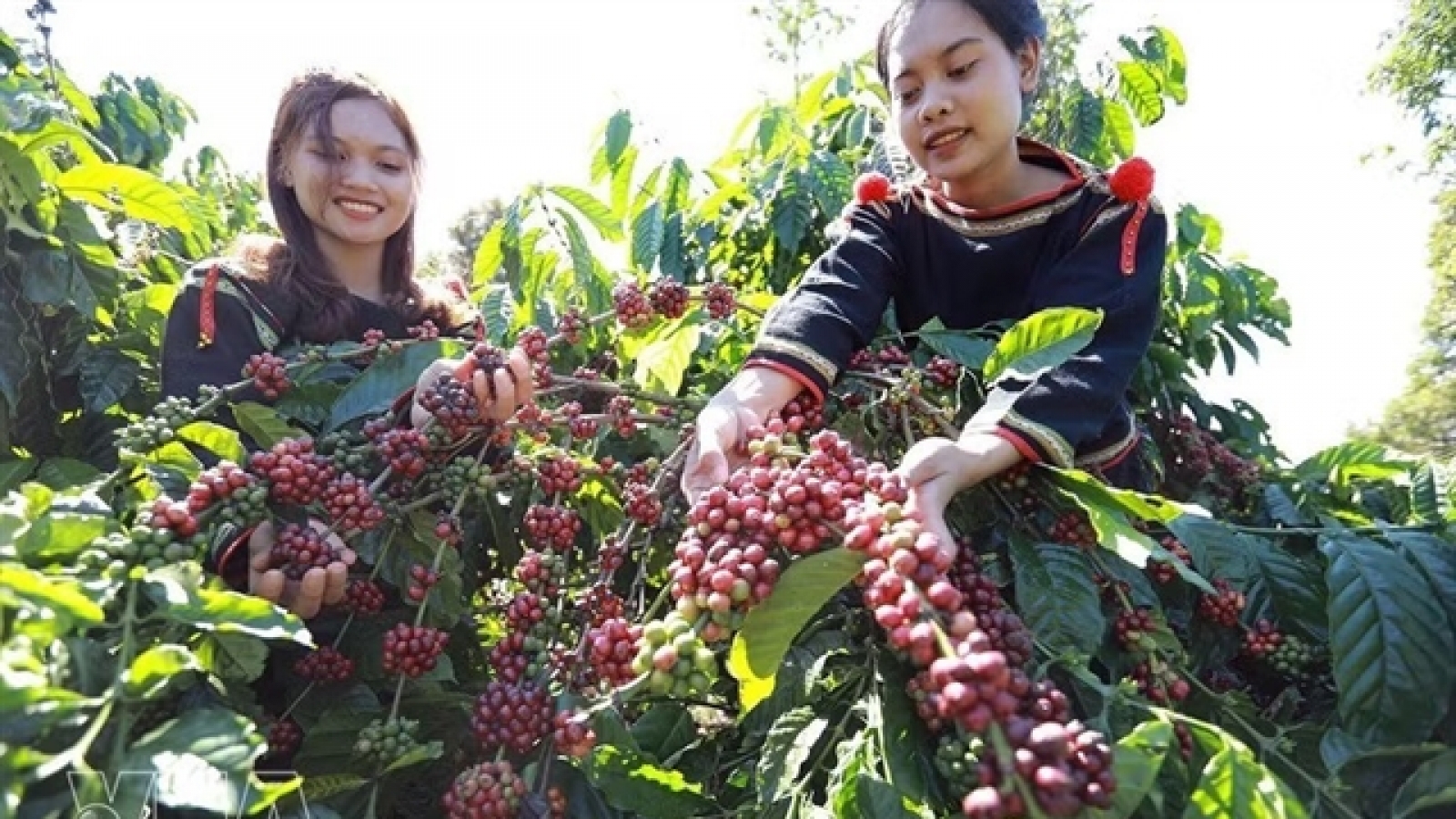
In the first nine months, coffee exports rose 15.4% in volume to 1.4 million tonnes, but their value fell 7.3% to US$6.54 billion as the average export price dropped 19.7% to US$4,537.3 per tonne.
Rice exports also declined, falling 6.1% in volume to 6.4 million tonnes and 10.9% in value to US$3.11 billion. The Philippines remained the largest market, accounting for 40.9% of the total, followed by China at 17.4% and Ghana at 12.7%. Notably, the value of rice exports to China surged 76% in the first eight months of the year.
Rubber exports fell 16.2% in volume and 4.4% in value to 1.1 million tonnes and US$2.18 billion, respectively. However, the average export price rose 14.1% to US$2,016.8 per tonne.
For tea, export volume fell 7.7%, but export value edged up 0.4% to US$167.9 million, while the average export price increased by 8.7%. The higher price played an important role in offsetting part of the decline in export volume.
Several other agricultural products also continued to post positive results. In the first nine months, cashew nut exports reached 543,400 tonnes, worth US$3.85 billion. Despite a 2% decline in volume, export value still rose by 2%, supported by a 4.2% increase in the average export price to US$7,084.4 per tonne. China, the US and the Netherlands were the three largest markets.
Pepper recorded solid growth in both volume and value. Vietnam exported 214,400 tonnes of pepper worth US$1.4 billion, up 15% and 10.2%, respectively. The US remained the largest market, accounting for 26.7% of the market share, followed by Germany and Thailand. Notably, export value to Thailand increased by 52.8%, while exports to Türkiye surged 97.7% among the 15 largest markets.
Meanwhile, the total value of agricultural, forestry and fishery imports in the first nine months was estimated at US$39.4 billion, up 8% year on year. Of this, the imports of agricultural products were valued at US$24.96 billion, up 11.3%; livestock products at US$4 billion, up 21.4%; fishery products at US$2.44 billion, up 0.6%; and forestry products at US$2.81 billion, up 17%.
Agro-forestry-fishery exports rise 6% in first half of 2026
Vietnam's agro-forestry-fishery product exports brought home an estimated US$35.88 billion in the first half of 2026, up 6% year-on-year, according to the Ministry of Agriculture and Environment.